

Eating Fruits and Veggies Seasonally Just Makes Sense
Eating fruits and vegetables seasonally isn’t just a trend—it’s a practice rooted in nature’s rhythm and centuries of tradition. Seasonal eating brings a multitude of benefits, from better flavor and nutrition to environmental and economic advantages. Let’s delve into why embracing seasonal produce is a smart choice for your health, taste buds, and the planet.
What Does Seasonal Eating Mean?
Seasonal eating refers to consuming produce at the time of year when it is naturally harvested in your local area. For example, tomatoes and cucumbers are summer staples, while root vegetables like carrots and sweet potatoes thrive in the cooler months. For me, nothing beats the excitement of seeing the first local strawberries hit the market in spring. It feels like nature’s way of saying, “Fresh beginnings are here!”
Why Seasonal Produce Tastes Better
Seasonal fruits and vegetables are harvested at peak ripeness, resulting in better taste and texture. When produce is allowed to mature on the plant, it develops its full flavor potential. Contrast that with out-of-season produce, which is often picked early and shipped long distances, leading to bland, underwhelming flavors.
For instance:
- Summer berries burst with sweetness when picked in season. I remember biting into a sun-warmed strawberry from my garden—it was pure bliss.
- Winter citrus is tangy, juicy, and refreshing during its natural growing period. A freshly peeled orange in January feels like a burst of sunshine on a cold day.
Nutritional Advantages of Seasonal Eating
Seasonal fruits and vegetables are often more nutrient-dense. When produce is harvested at its peak, it retains more vitamins, minerals, and antioxidants compared to out-of-season produce that may lose nutrients during long transport and storage.
Here are some examples of seasonal nutrition:
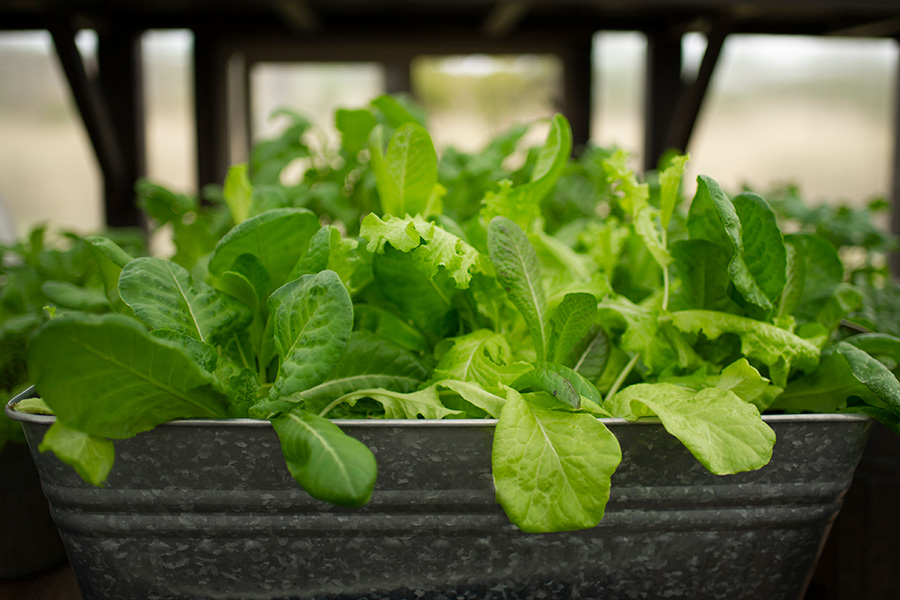
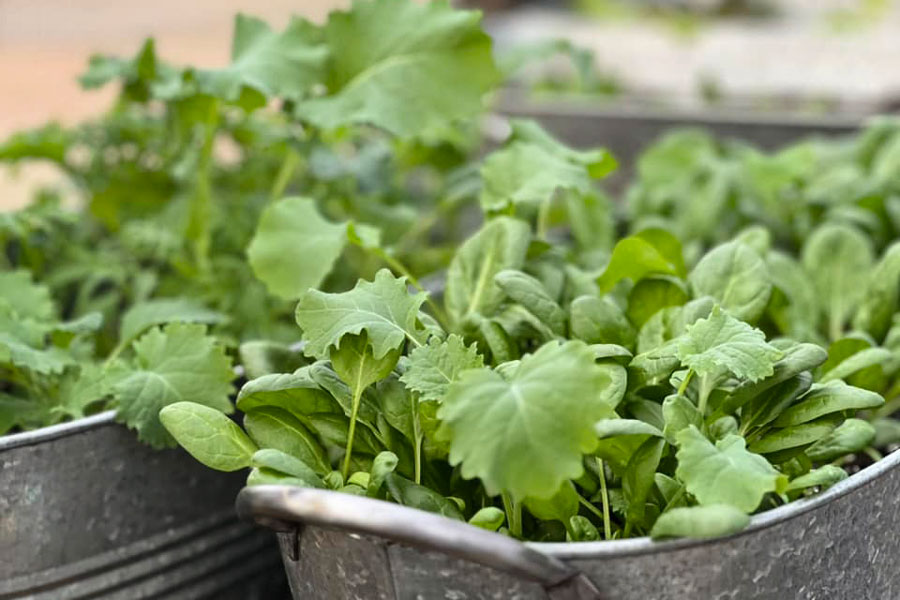
- Spring: Leafy greens like spinach and arugula are rich in iron, vitamin C, and folate—perfect for rejuvenation after winter. I love tossing these greens into fresh salads with a squeeze of lemon.
- Summer: Tomatoes and bell peppers provide a vitamin C boost, and zucchini offers hydration with its high water content. Summer also brings peaches, which make the most delicious, juicy snacks.
- Fall: Pumpkins and squash deliver beta-carotene, a precursor to vitamin A, essential for skin and eye health. Nothing compares to the comforting aroma of roasted butternut squash soup on a crisp autumn evening.
- Winter: Citrus fruits like oranges and grapefruits are packed with vitamin C, supporting immune health during cold months. My winter mornings often start with a glass of freshly squeezed orange juice.
Environmental Benefits of Eating Seasonally
Eating seasonally reduces the environmental impact of your diet. Here’s how:
- Lower Carbon Footprint: Local, seasonal produce doesn’t require the extensive transportation and refrigeration that out-of-season imports do.
- Reduced Resource Use: Growing food in its natural season requires fewer artificial inputs like greenhouses, synthetic fertilizers, or excessive irrigation.
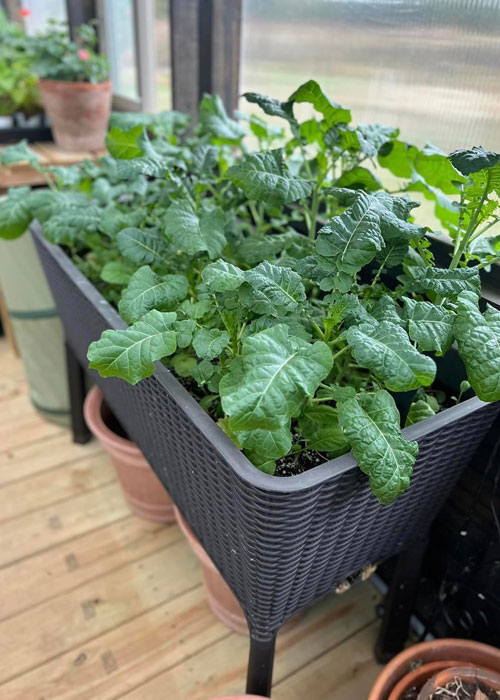
- Supports Biodiversity: Farmers growing seasonal crops often use traditional farming methods, which promote soil health and local biodiversity. When I buy seasonal produce from my local farmers’ market, I feel good knowing I’m contributing to sustainable practices.
Practical Tips for Eating Seasonally
- Learn What’s in Season: Familiarize yourself with the seasonal produce in your area. A quick online search or a visit to your local farmers' market can provide guidance. I like to keep a seasonal produce chart on my fridge as a handy reference.
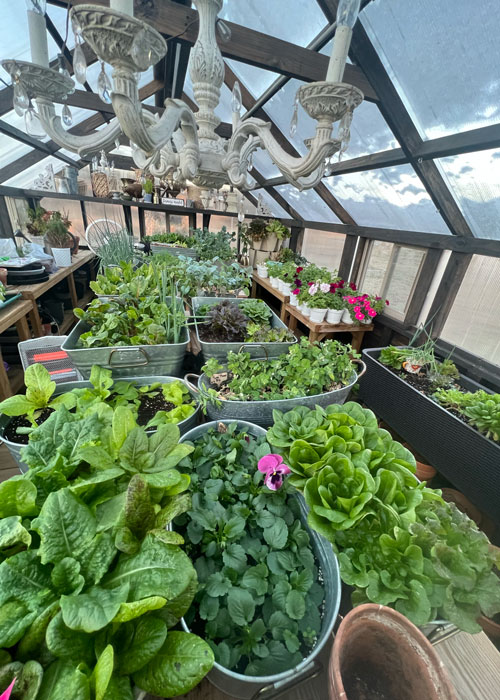
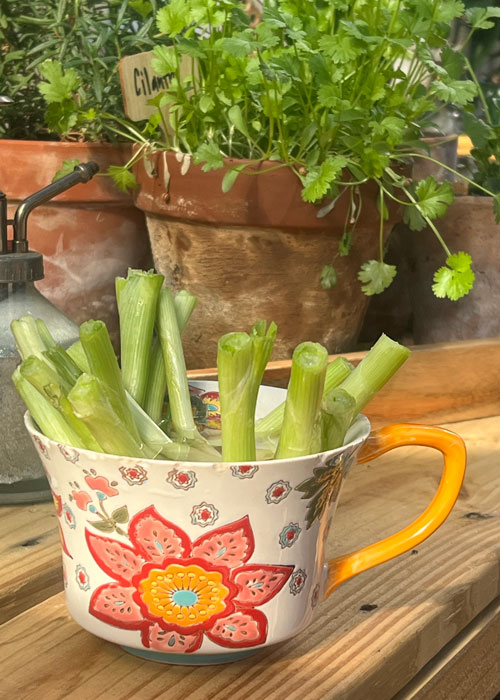
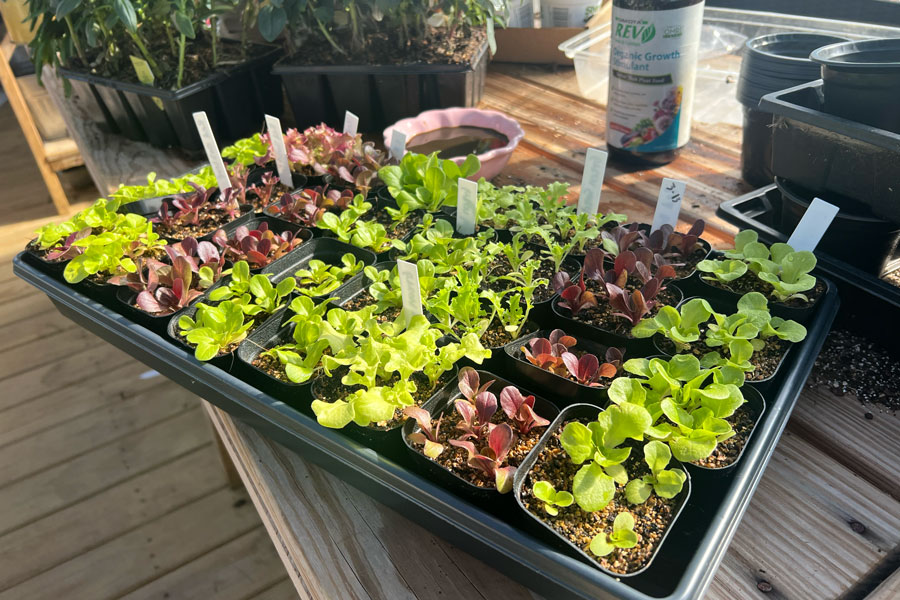
- Grow Your Own: If you have space, consider planting a seasonal garden. Even a few pots of herbs or tomatoes can connect you with the rhythm of the seasons. This year, I grew zucchinis, and the satisfaction of harvesting my own produce was unmatched.
- Preserve the Harvest: Freeze, can, or pickle seasonal produce to enjoy it later in the year. My pantry is stocked with jars of homemade marinara sauce from summer tomatoes.
- Experiment with Recipes: Seasonal eating is a great opportunity to try new recipes and diversify your diet. I’ve discovered so many creative ways to use seasonal veggies, like spiralizing zucchini into noodles or roasting root vegetables with a drizzle of maple syrup.
Eating fruits and veggies seasonally isn’t just better for your health and taste buds—it’s a choice that supports the environment, your community, and your wallet. By aligning your diet with the seasons, you’ll enjoy the freshest flavors, the most nutrients, and a stronger connection to the natural world. So next time you shop for groceries or plan your meals, think seasonal. Your body—and the planet—will thank you. And who knows? You might just find yourself savoring every bite a little more, knowing it’s exactly what nature intended for that moment.