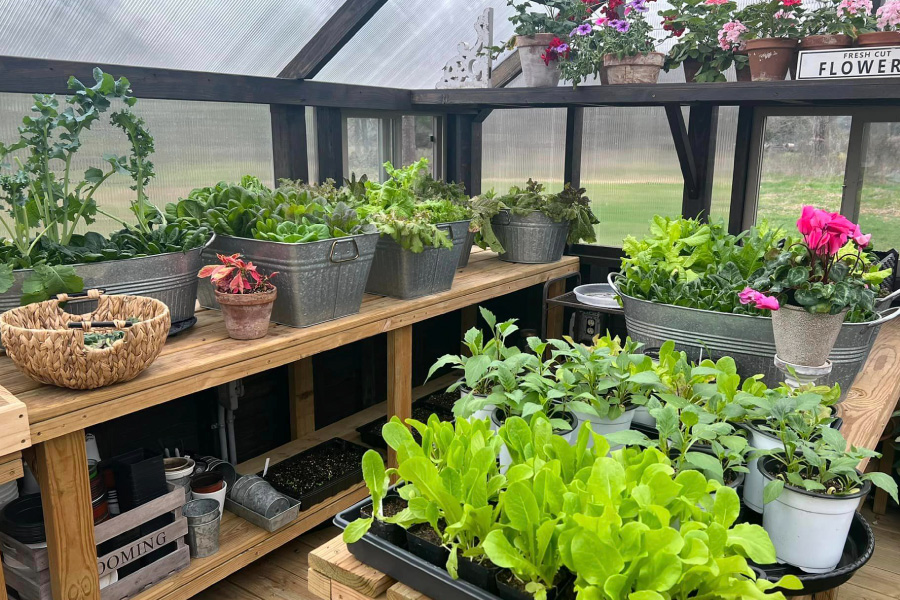

The Best Cool-Season Crops to Grow in Your Greenhouse
Maximize your greenhouse year-round — even when it’s chilly outside.
There’s a secret many gardeners overlook: your greenhouse is just as valuable in the cooler months as it is during spring and summer. In fact, fall and winter may be some of your most productive — and peaceful — times to grow.
Whether you’re trying to extend your harvest, enjoy fresh greens all winter, or simply keep your hands in the soil during colder days, growing cool-season crops in your greenhouse is the way to do it.
This guide breaks down the best crops, when to plant them, and how to set your greenhouse up for success — no matter how frosty it gets outside.

What are Cool Season Crops?
Cool-season crops are plants that love brisk temperatures. They germinate and grow best in cooler weather — generally between 35°F and 75°F — and many can even withstand light frosts.
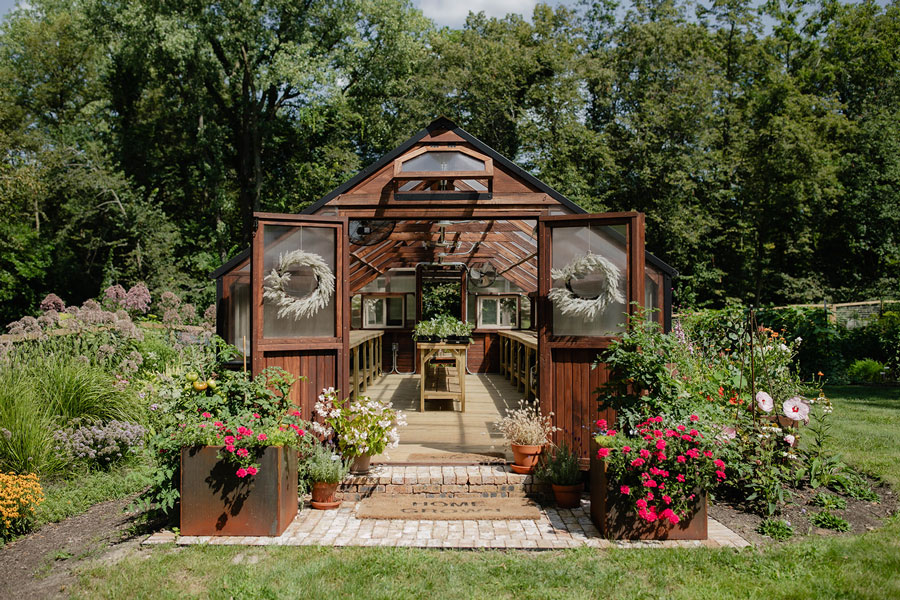
These crops do especially well in an unheated greenhouse or cold frame because the structure buffers wind, traps heat during the day, and creates a microclimate that keeps them thriving longer than they would outdoors.
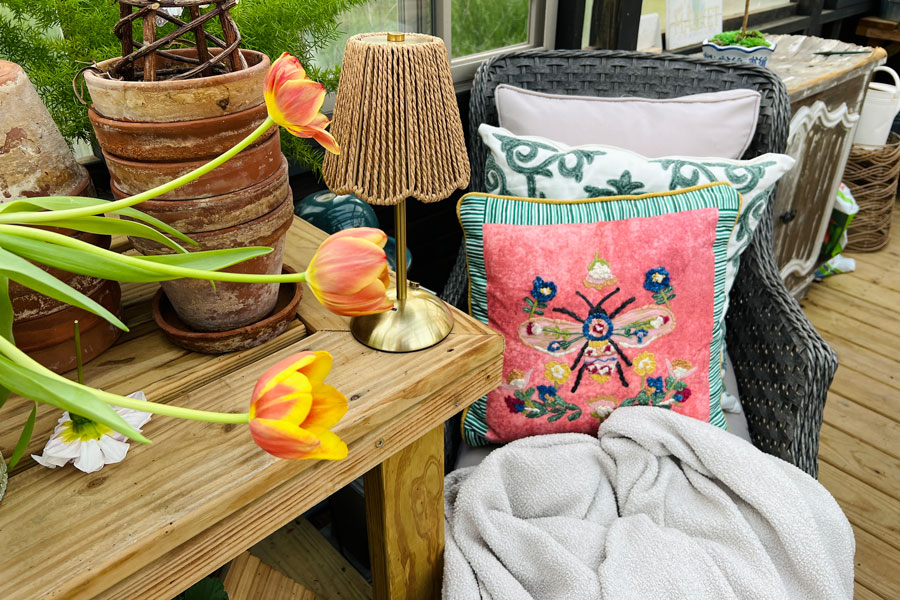
When to Plant Cool-Season Crops in a Greenhouse
Timing matters. The ideal planting window for most cool-season crops in a greenhouse is:
- Late summer to early fall (for winter harvests)
- Late winter to early spring (for early spring crops)
The key is to get them well-established before your greenhouse gets too cold and light levels drop dramatically. Use a garden calendar or simple reminder system to stagger plantings for a continuous harvest.
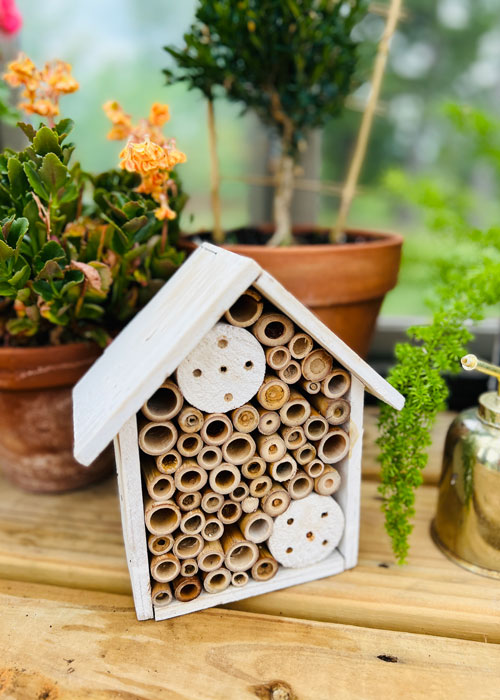
Top 10 Cool-Season Crops for Your Greenhouse
Here’s a look at the best performers — all relatively easy to grow and full of flavor.
1. Lettuce
- Varieties: Romaine, Butterhead, Oakleaf, Looseleaf
- Why it’s great: Fast-growing, low-maintenance, and thrives in cooler temps
- Tip: Stagger sowings every 10–14 days for a continuous harvest. Prefers 45–65°F.
2. Spinach
- Varieties: Bloomsdale, Tyee, Space
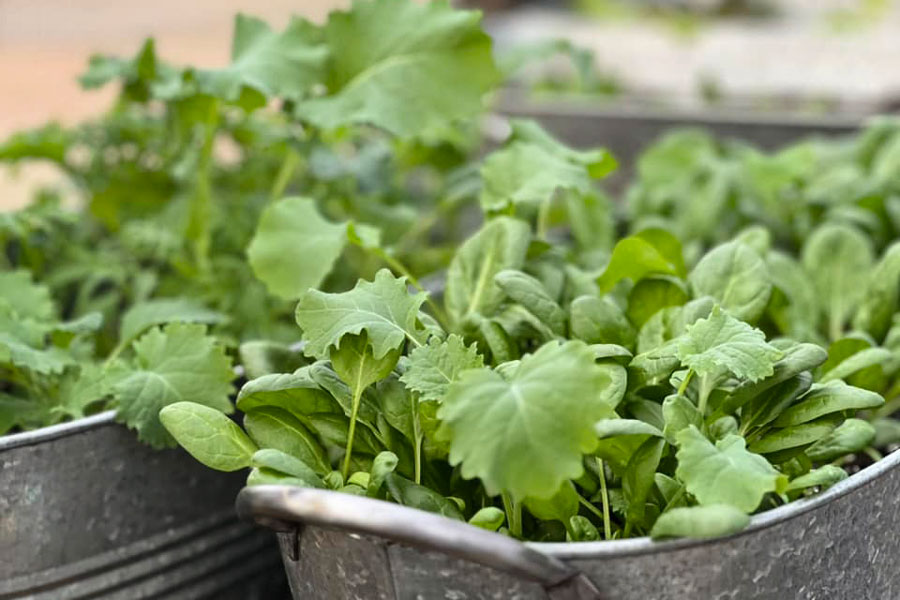
- Why it’s great: Sweetest flavor in cold temps, tolerates light frost
- Tip: Needs rich, well-drained soil and regular moisture. Can overwinter in cold frames.
3. Kale
- Varieties: Lacinato (Dino), Red Russian, Curly
- Why it’s great: Extremely cold-hardy, nutrient-dense, keeps producing
- Tip: Harvest outer leaves first and let the plant keep growing. Even sweeter after a frost!
4. Carrots
- Varieties: Nantes, Chantenay, Danvers
- Why it’s great: Slow to bolt in cooler temps and develops richer flavor
- Tip: Use deep, loose soil and be patient — carrots take 60–80 days, but are worth the wait.
5. Radishes
- Varieties: Cherry Belle, French Breakfast, Easter Egg
- Why it’s great: Lightning fast (mature in 3–4 weeks!) and great for small spaces
- Tip: Don’t wait too long to harvest — they get pithy if left in the ground too long.
6. Beets
- Varieties: Detroit Dark Red, Chioggia, Golden
- Why it’s great: You get edible roots and leafy tops — a two-for-one!
- Tip: Plant in blocks for even spacing. Harvest greens early for salads or sautés.
7. Swiss Chard
- Varieties: Rainbow, Fordhook Giant, Bright Lights
- Why it’s great: Tolerates colder temps better than most leafy greens
- Tip: Use as a cut-and-come-again crop. It keeps producing for months with regular harvests.

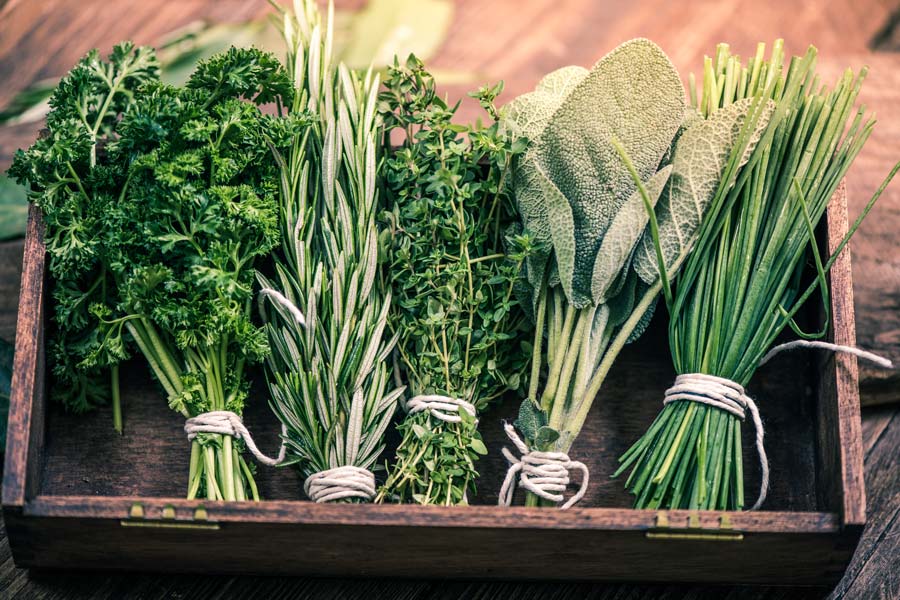
8. Green Onions (Scallions)
- Varieties: Evergreen Hardy White, Ishikura, Tokyo Long
- Why it’s great: Minimal space needed and cold-hardy
- Tip: Sow thickly and harvest as needed — you’ll always have a fresh garnish on hand.
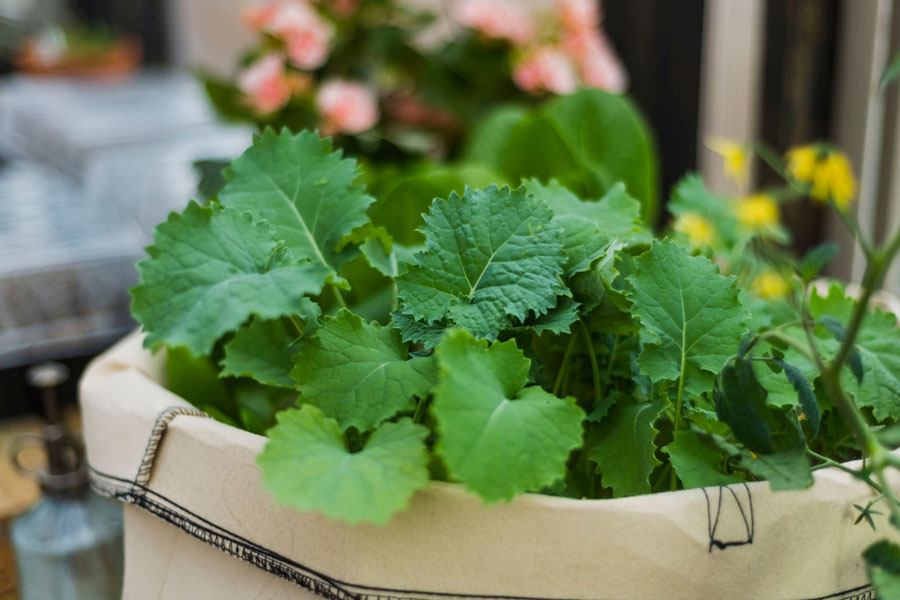
9. Pak Choi (Bok Choy)
- Varieties: Joi Choi, Tatsoi, Shanghai Green
- Why it’s great: Quick-growing, mild flavor, and beautiful in raised beds
- Tip: Plant in partial shade if your greenhouse runs warm — it bolts in heat.
10. Arugula
- Varieties: Astro, Roquette, Wasabi
- Why it’s great: Spicy flavor, fast growth, and thrives in chilly conditions
- Tip: Harvest young for baby greens or let it grow large for a bolder taste.
Bonus Crops to Consider
- Turnips: Both roots and greens are edible and cold-tolerant
- Cabbage: Needs a bit more space but loves cold temps
- Mustard greens: Quick to grow and packs a spicy punch
- Peas: Grow dwarf varieties and trellis them early in spring
Do You Need Heat?
Not necessarily. Many cool-season crops will do just fine in an unheated greenhouse, especially if you use these tips:
- Layer with row covers or frost cloths at night
- Use thermal mass (like water barrels) to retain heat from the sun
- Close vents and doors before sunset to trap warmth
- Insulate with bubble wrap or weatherproofing in colder climates
If temps regularly drop below 25°F where you live, consider adding a small space heater or heated seed mat to keep things from freezing overnight. I do utilize heat in my greenhouse when the temperature starts getting to the upper 30’s only because I have a mix of cool and warm weather crops I keep in my greenhouse from fall through late spring.
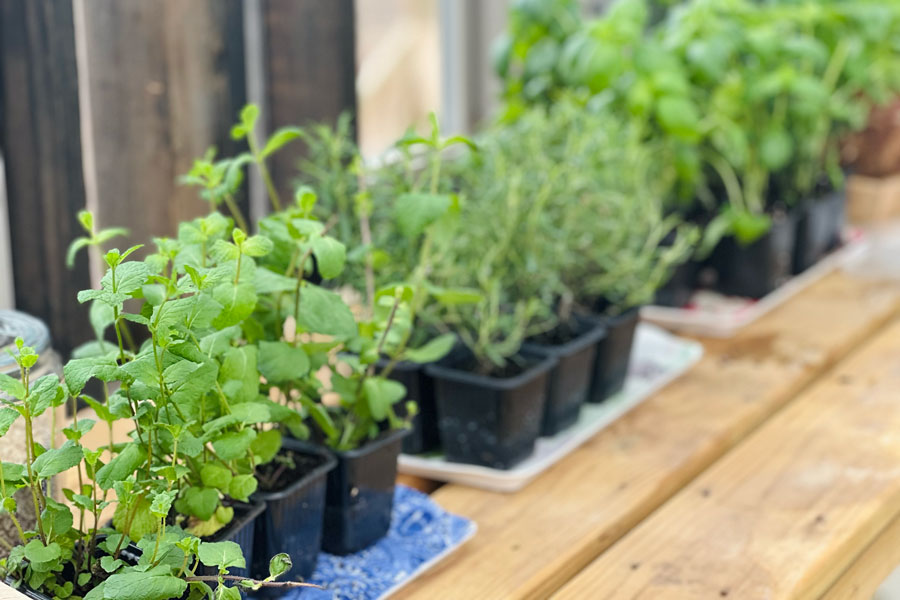
Cool-season crops make greenhouse gardening a year-round joy. There’s something deeply grounding about harvesting lettuce in January or pulling up sweet, crunchy carrots while the rest of the world is dormant.
With the right timing, a little planning, and these cold-loving crops, your greenhouse can be a vibrant oasis even in the dead of winter.