A February Saturday Morning in My Greenhouse
February is a funny month in the garden.
It still looks like winter from the outside — grey skies, leftover frost clinging to the lawn, soil too cold to trust — but inside the greenhouse, February feels like the first heartbeat of spring.
People often ask what actually happens inside a greenhouse this time of year, when the world hasn’t quite made up its mind about the seasons. So today, I thought I’d take you into a real day — the sounds, the light, the unexpected warmth, the tiny but powerful signs of life awakening in a February greenhouse.
7:45 AM — The Walk Through Winter
The morning starts cold.
February cold — the kind that bites at your nose and turns your breath to fog the second you step outside.
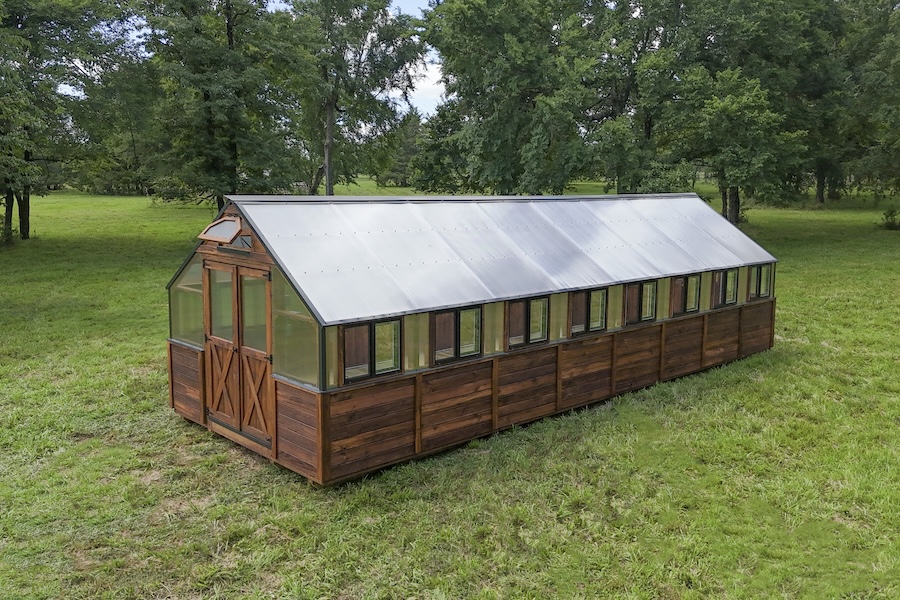
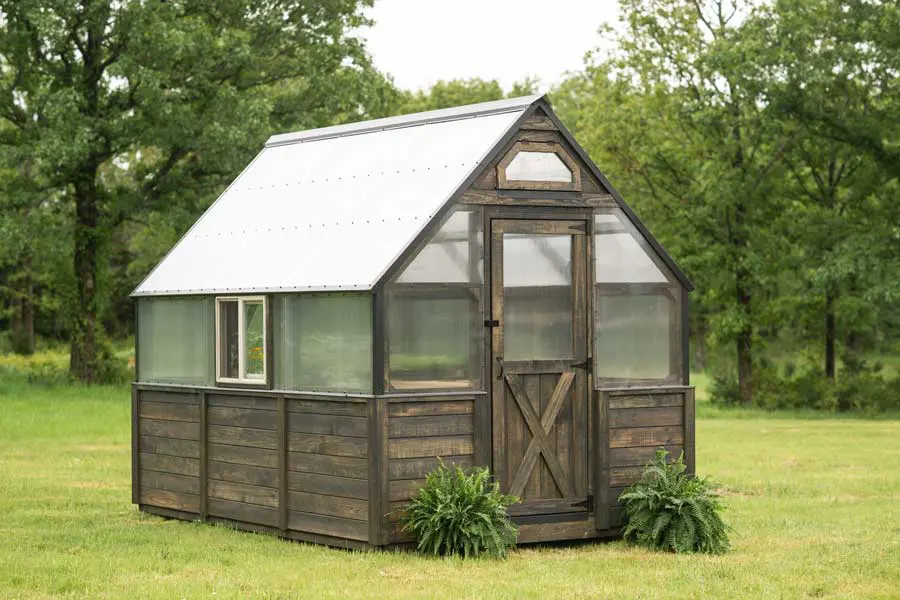
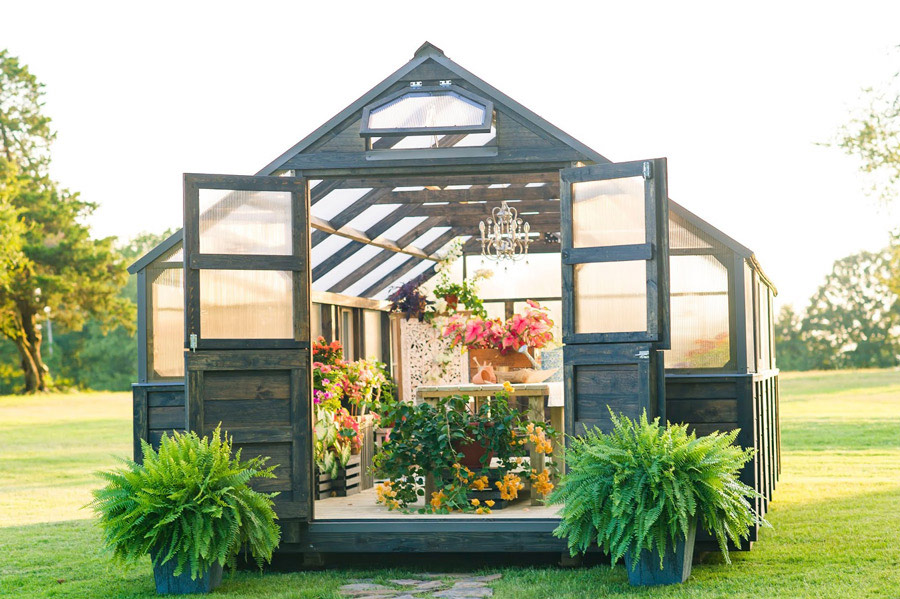
Across the yard, the greenhouse is glowing as the sun rises, I can see its silhouette — sturdy, waiting, holding warmth that the rest of the world hasn’t felt yet.
The path crunches under my boots as I walk. Frost glitters across the grass. A soft orange streak begins to split the sky. It’s still winter everywhere except one place.
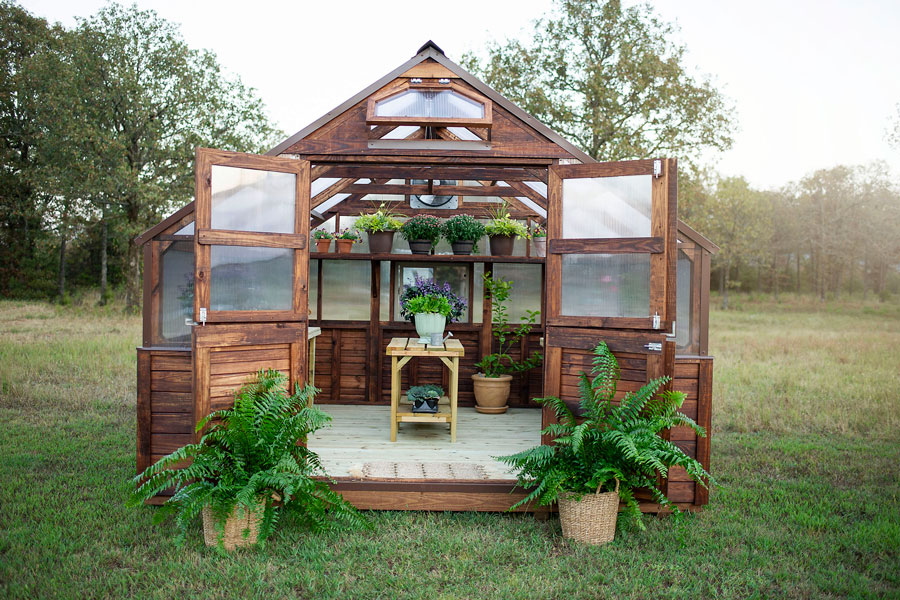
I open the greenhouse door, and the world shifts.
Warmth spills out..
And there it is — that unmistakable scent of damp soil, new seedlings, and green life stretching toward the light.
This is February in a greenhouse.
Not quite spring, but no longer winter either.
8:00 AM — The First Light and the First Check
The greenhouse is already soft and golden.
I pull off my gloves and make my first slow walk through the rows.
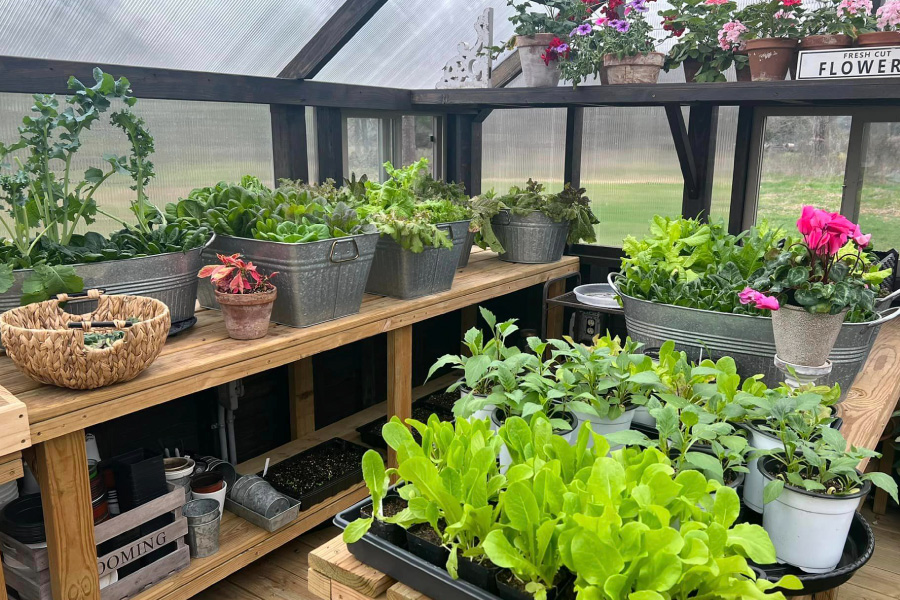
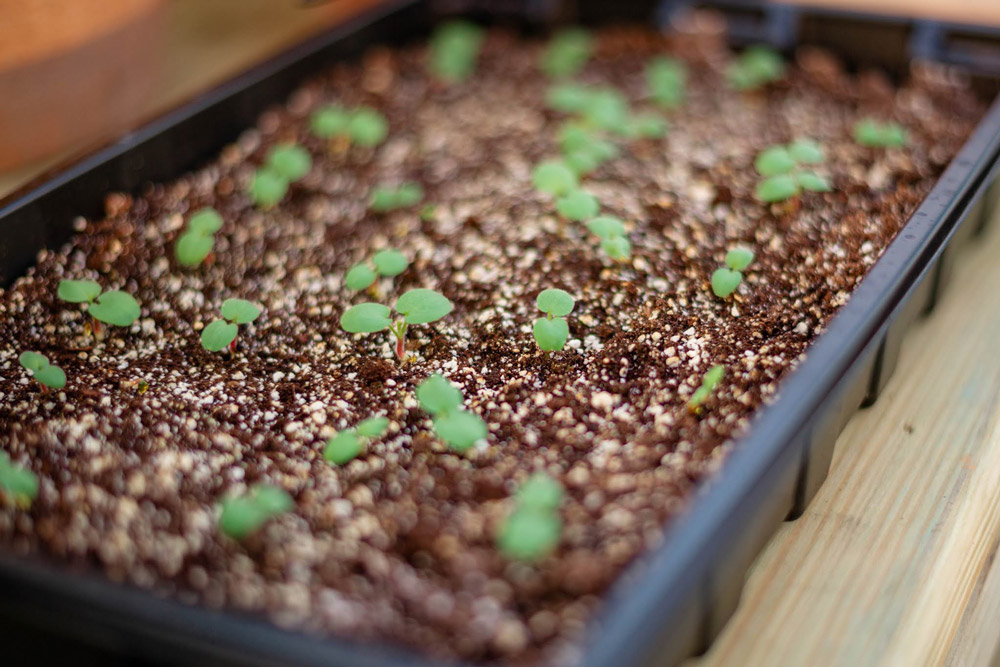
The soil blocks on the seed-starting bench are moist from yesterday’s spray. Tiny flecks of green — basil, petunias, cabbage — push their way into the world. They look fragile, but they are stronger than they seem.
February seedlings always are.
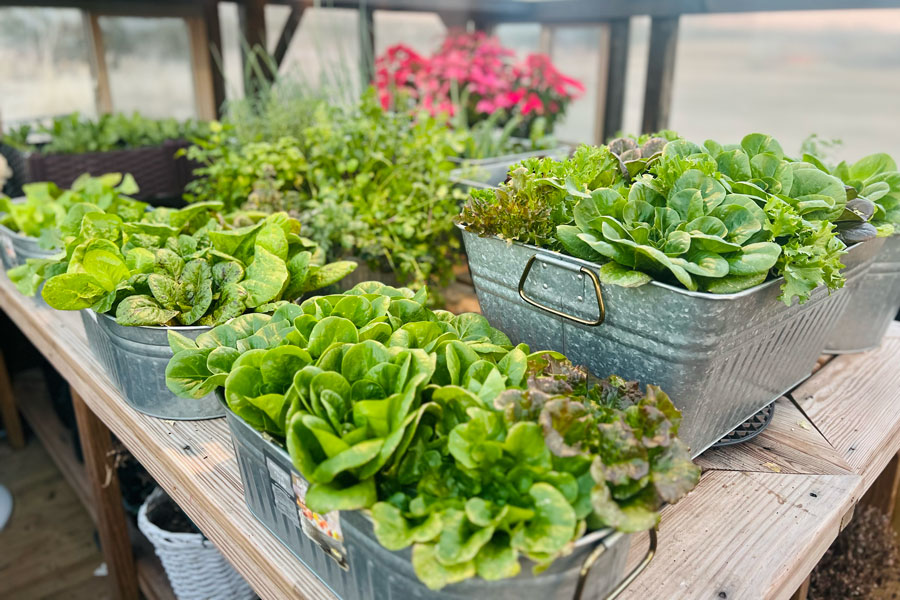
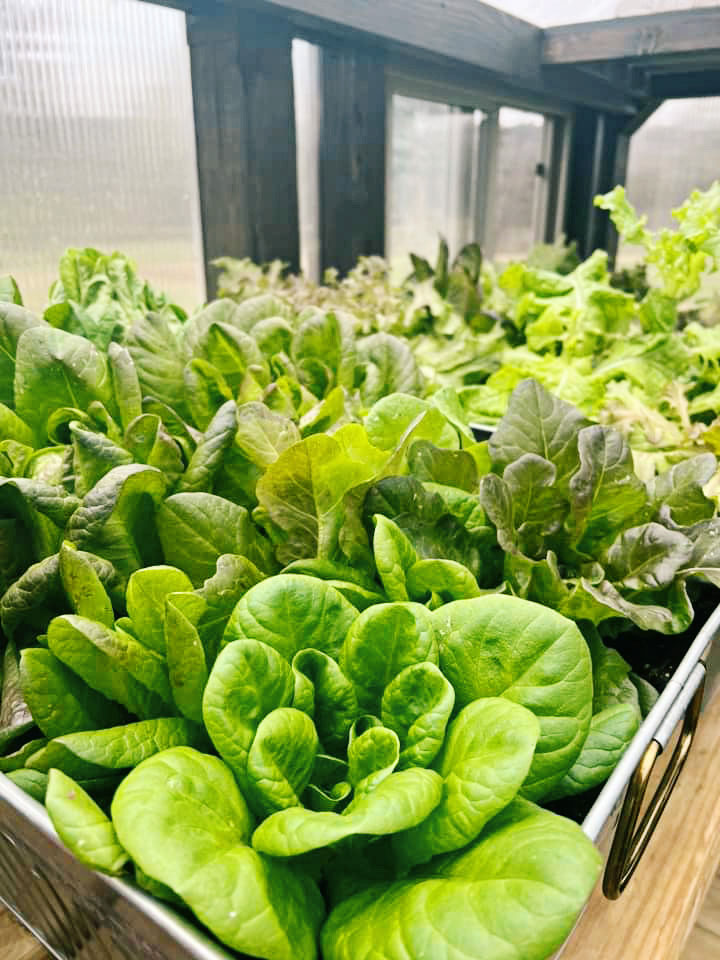
I check the temperatures — a quick glance at the thermometer tells me the heater kept everything steady overnight. I check the humidity dome — beads of condensation are a good sign. I run a hand across the spinach leaves —thriving in the cool morning.
This is why February matters.
Seedlings started now develop roots long before outdoor gardeners can touch soil.
Greens planted now will be harvested weeks earlier than anything grown outdoors.
Everything inside is ahead, even when the world outside is behind.
And that simple advantage is what makes February one of the most powerful months in greenhouse gardening.
9:15 AM — Quiet Work, Quick Growth
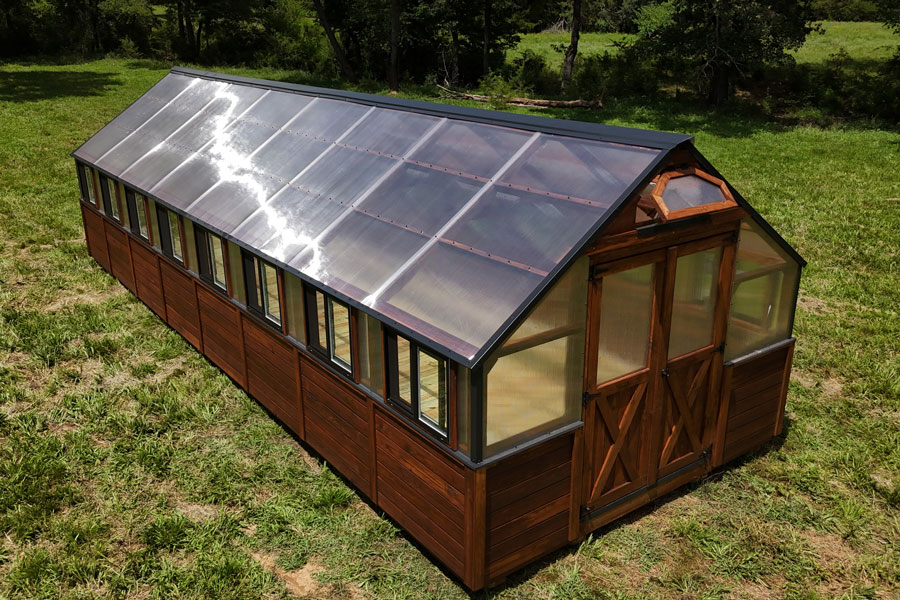
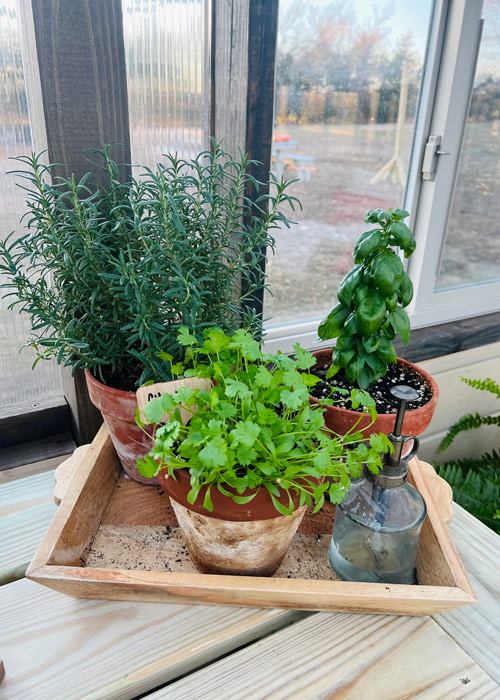
By mid-morning, the greenhouse warms naturally. The roof panels glow. The air smells faintly of rosemary and damp earth.
This is when I get to work.
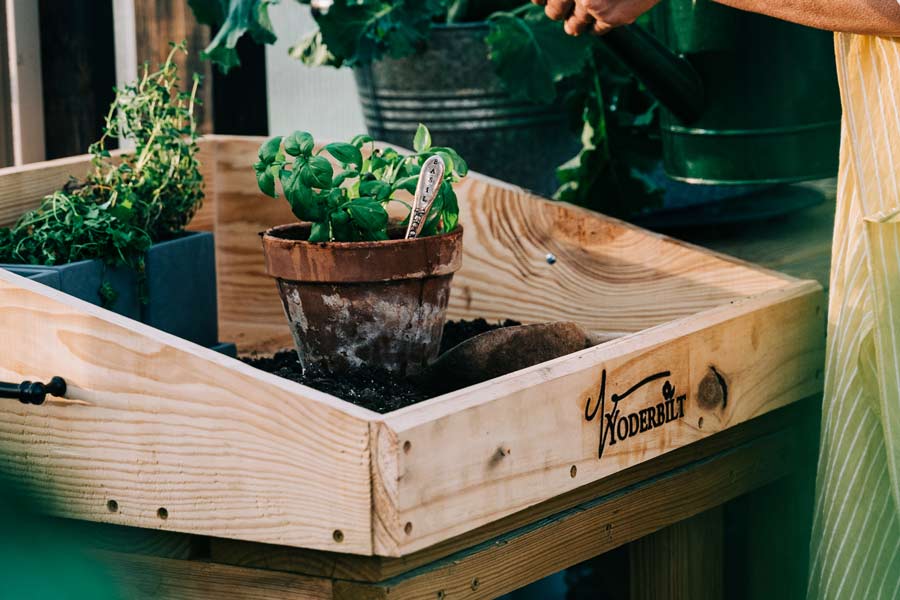
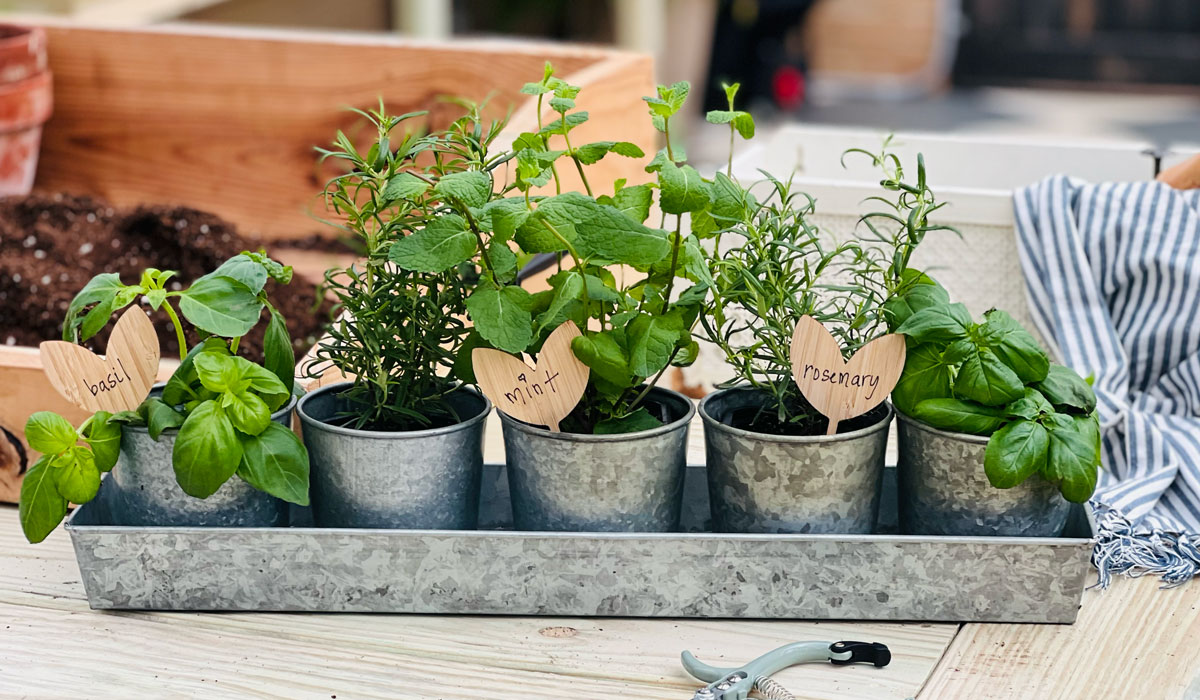
- I top-dress the herb bed with compost.
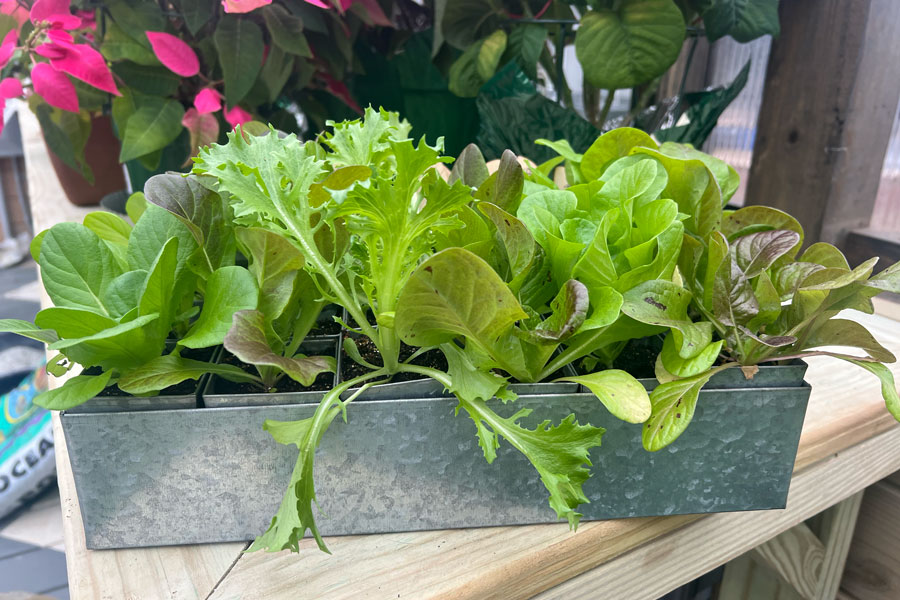
- I thin the lettuce so the strongest leaves can thrive.
- I sow another tray of spinach — succession planting starts now if you want non-stop harvests.
- I repot a petunia that has suddenly decided it’s ready for more room.
- I water carefully, lightly — February is still a month of restraint.
These small tasks might not look like much, but they shape everything that comes later.
February growth is subtle… but consistent, steady, reliable.
Outdoor gardeners are still weeks away from touching soil, but in the greenhouse?
Life is already happening.
And happening fast.
11:45 AM — The Unexpected Spring
It’s my day off and I want to spend as much of as I can in my greenhouse, so I sneak back out. By late morning, the greenhouse feels like a different season entirely. I shed my coat and roll up my sleeves. Outside it’s barely 38°, but in here it’s warm enough that I can feel the sun on my skin.
I sit on my little wooden bench and eat lunch — a simple salad with greenhouse spinach, February’s sweetest harvest. Greens grown in cool weather have the best flavor: crisp, sweet, vibrant.
I check the carrots. They’re small, but they’re coming.
I look at the geranium seedlings on the heat mat. They’re steady, sturdy, promising. They are my favorite.
I note which trays need rotating so the young stems grow strong and straight.
This is where I always pause:
A February greenhouse isn’t just about food.
It’s about the psychological exhale — the reminder that life is still moving forward, even when it feels slow.
2:30 PM — Venting, Watching, Learning
By mid-afternoon, the greenhouse gets too warm — a February problem no one expects unless they’ve lived it.
I prop open the door.
Ventilation is key this month — overheating a greenhouse in February can happen, even when the air outside is cold.
As I work, I watch the light shift across the leaves.
Seedlings lean.
Herbs brighten.
Condensation forms on the glass.
Temperature swings teach you more about plants than any book ever could.
February is the month where the greenhouse becomes both classroom and sanctuary.
5:45 PM — Evening Calm and Plant Promises
The day ends earlier this time of year.
As the sun sinks, the greenhouse cools again, the golden glow softens, and the interior settles into its nighttime rhythm.
I make one last sweep:
- Check the heater
- Mist the humidity dome lightly
- Turn the grow lights off
- Harvest a handful of parsley for dinner
Before closing the door behind me, I take one last look. Until tomorrow.
In February, the greenhouse isn’t just a structure — it’s a promise.
A promise of early harvests.
A promise of flowers that will bloom before anyone else’s.
A promise that everything planted here will carry strength into spring.
And maybe most of all — a promise that even when winter lingers, growth never really stops.
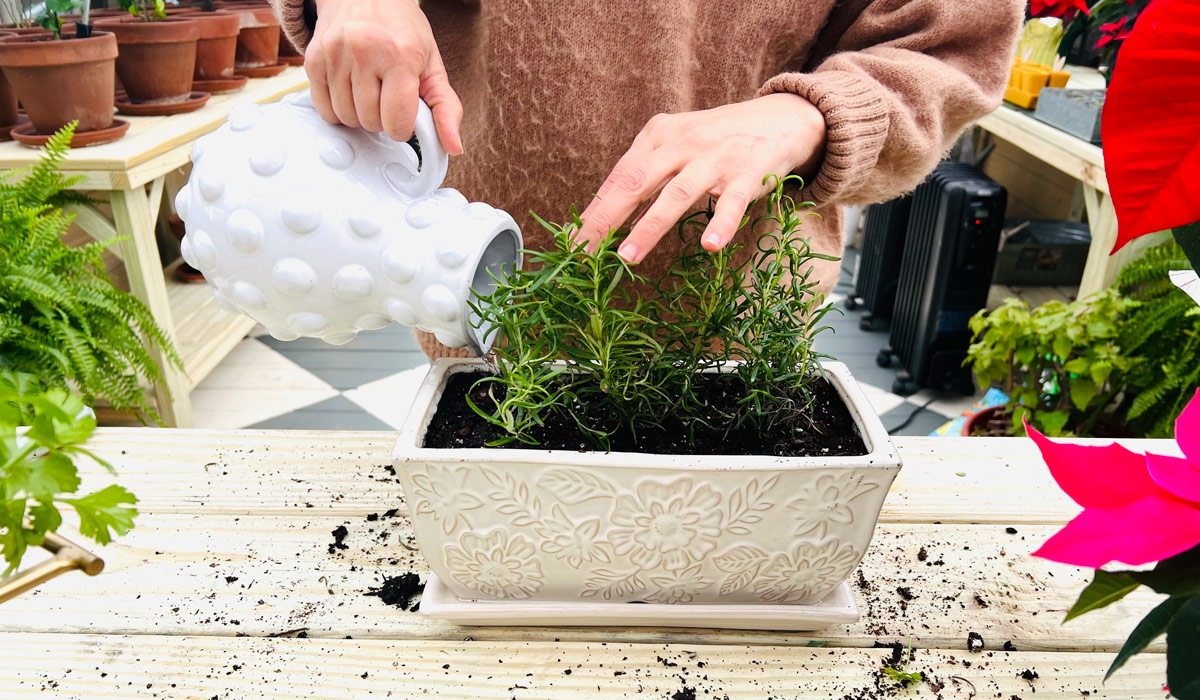
February inside a greenhouse is quiet, warm, hopeful, productive, and powerful.
It’s the month where the first real work of spring begins — long before the world outside even realizes it.
And once you’ve lived a February greenhouse day like this one, you’ll never want to garden without it again.