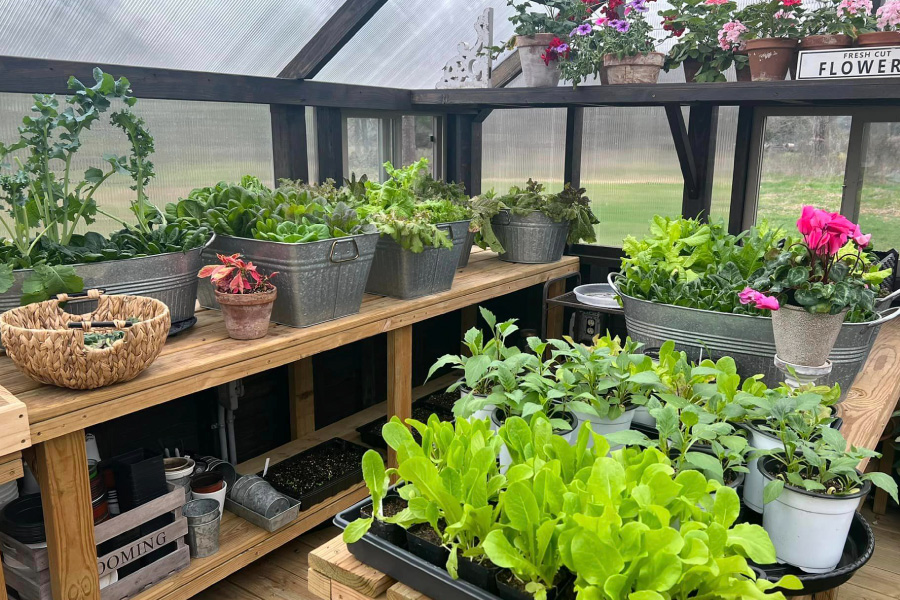
Companion Planting for Greenhouse Success: What Grows Best Together
If you've ever struggled with pests, low yields, or poor plant health in your greenhouse, you’re not alone. Many gardeners focus on soil quality, watering, and light—but one of the most powerful tools for a thriving greenhouse is companion planting.
By strategically pairing plants that benefit each other, you can naturally deter pests, enhance growth, and even boost flavor. After years of trial and error in my own greenhouse, I’ve seen firsthand how the right plant combinations create a thriving, balanced ecosystem.
Let’s dive into the best plants to grow together in your greenhouse, why companion gardening works, and how to get started today!
Why Companion Planting Works
Companion planting is nature’s way of gardening smarter. Here’s why it’s so effective in a greenhouse setting:
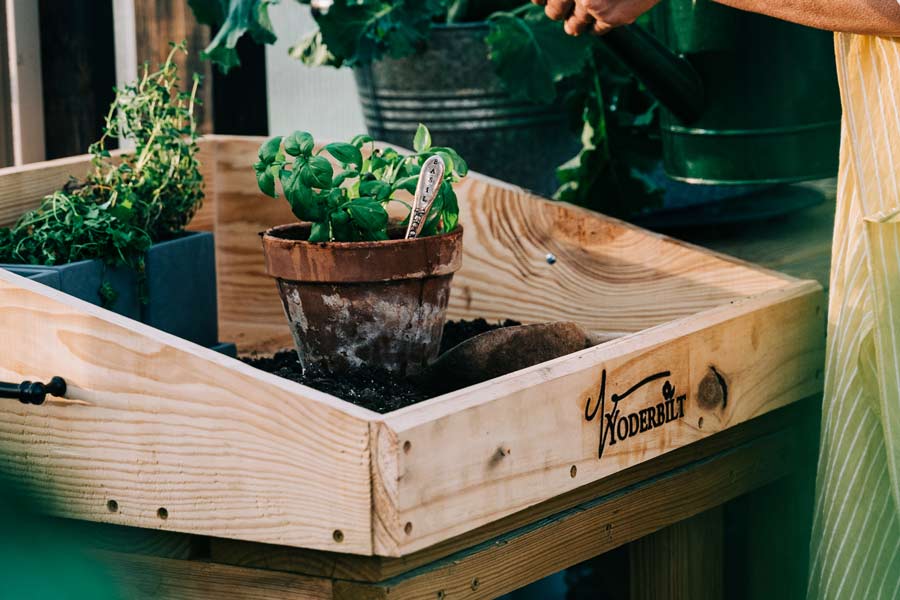
Pest Control – Some plants naturally repel insects that harm their neighbors. (Example: Basil repels aphids and whiteflies from tomatoes.)
Improved Growth & Flavor – Certain plants release beneficial compounds into the soil or air that enhance the growth and taste of their companions.
Efficient Use of Space – Tall plants can shade sun-sensitive crops, while trailing plants act as living mulch to prevent soil drying out.
Soil Health & Nutrient Sharing – Some plants (like legumes) fix nitrogen in the soil, enriching it for their companions.
Now, let’s talk about the best plant pairings for your greenhouse!
Best Plants to Grow Together in a Greenhouse
Here are some of my favorite tried-and-true greenhouse companion plant combinations:
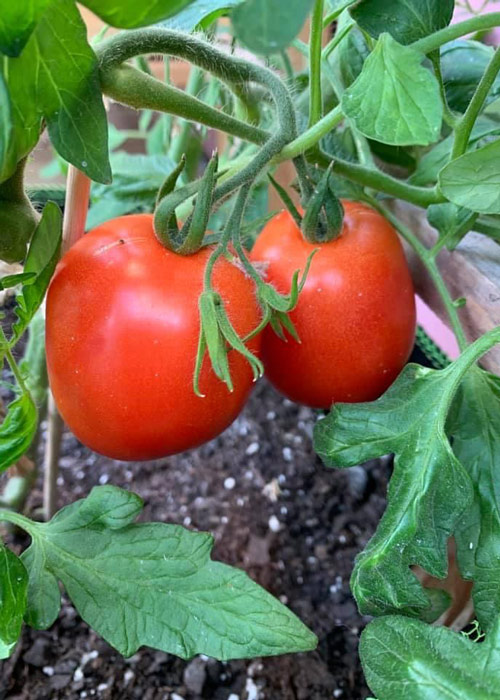
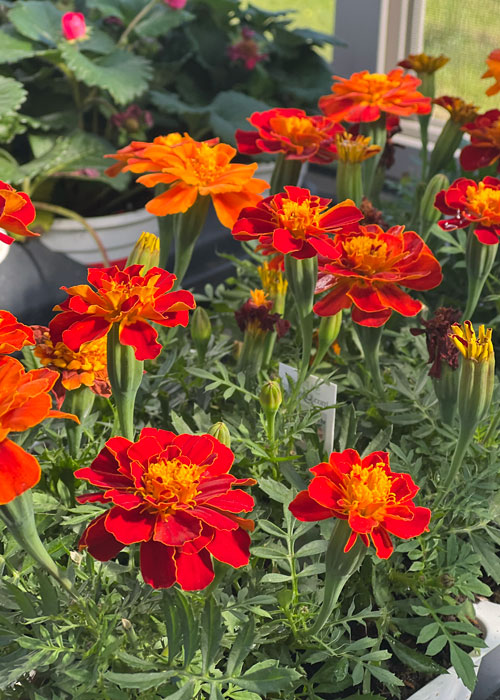
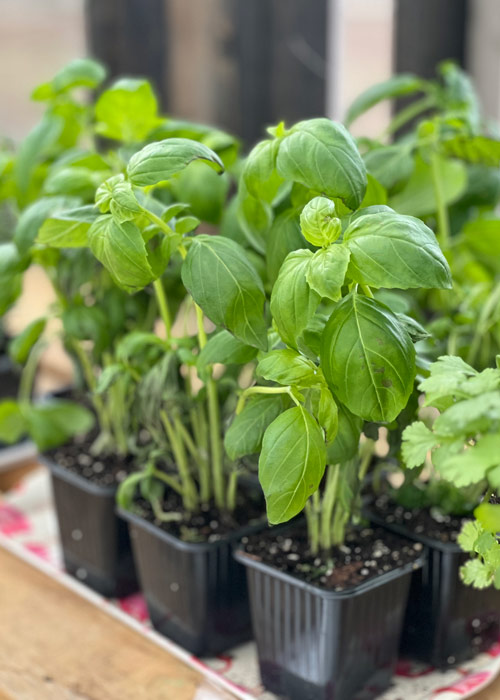
Tomatoes + Basil + Marigolds
The classic trio!
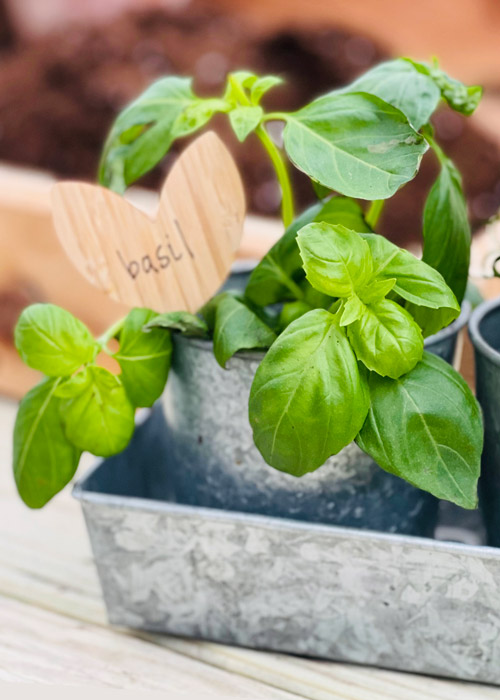
- Basil enhances tomato flavor and repels pests like aphids and whiteflies.
- Marigolds deter nematodes and other harmful soil pests.
- Tomatoes benefit from the pest protection while providing some shade for basil in hotter months.
Pro Tip: Keep basil close but not too close—good airflow prevents disease.
Cucumbers + Nasturtiums + Dill
Cucumbers can sometimes struggle with pests in a greenhouse, but these companions help:
- Nasturtiums are a trap crop, attracting aphids away from cucumbers.
- Dill brings in pollinators and beneficial insects.
- Cucumbers thrive with extra pollination and pest reduction.
Pro Tip: Train cucumbers vertically to maximize greenhouse space.
Carrots + Onions + Lettuce
This combination works beautifully in a greenhouse:
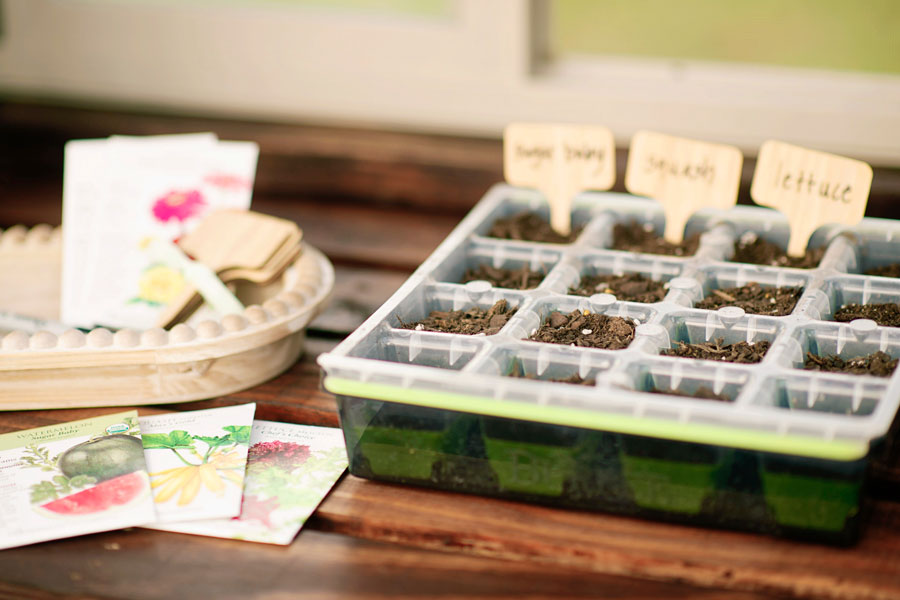
- Carrots grow deep and don’t compete with lettuce for nutrients.
- Onions deter carrot flies and aphids.
- Lettuce acts as a living mulch, keeping the soil cool and moist.
Pro Tip: Harvest lettuce frequently to prevent overcrowding and ensure airflow.
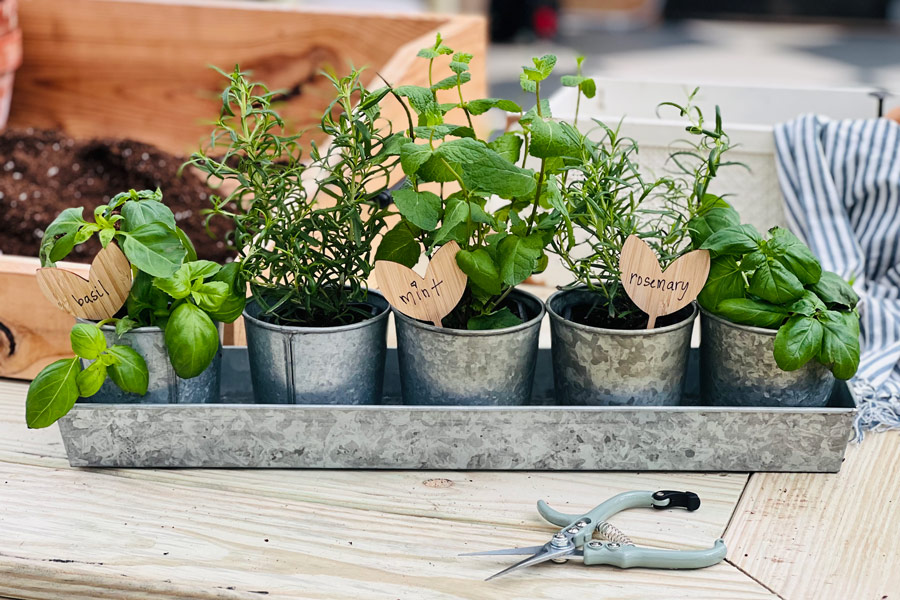
Peppers + Basil + Oregano
For a pest-free, flavorful pepper harvest:
- Basil repels aphids, spider mites, and mosquitoes.
- Oregano suppresses weeds and attracts pollinators.
- Peppers benefit from the pest control while providing some shade for basil.
Pro Tip: Keep basil trimmed to prevent it from overpowering smaller pepper plants.
Strawberries + Spinach + Borage
This greenhouse-friendly trio supports both fruit production and soil health:
- Strawberries get natural protection from borage, which repels pests.
- Spinach grows well in the shaded areas under strawberries.
- Borage attracts bees and improves fruit yield.
Pro Tip: Mulch with straw to keep strawberries clean and prevent rot.
What Not to Plant Together in a Greenhouse
Tomatoes & Cucumbers – Compete for nutrients and can encourage mold in humid conditions.
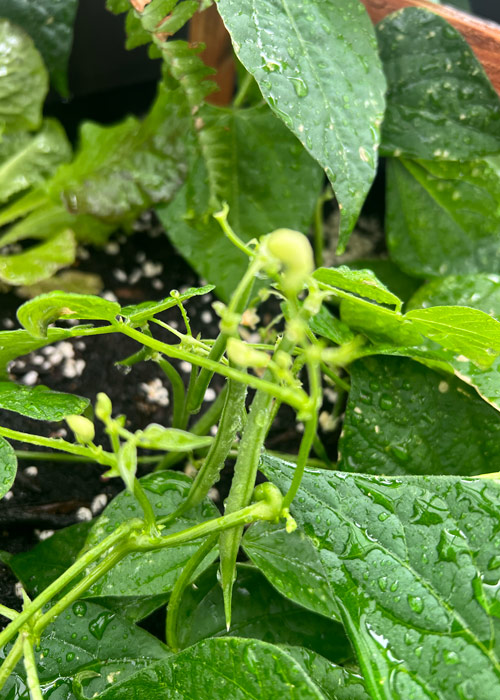
Beans & Onions – Beans fix nitrogen, but onions can stunt their growth.
Peppers & Fennel – Fennel inhibits the growth of many vegetables, including peppers.
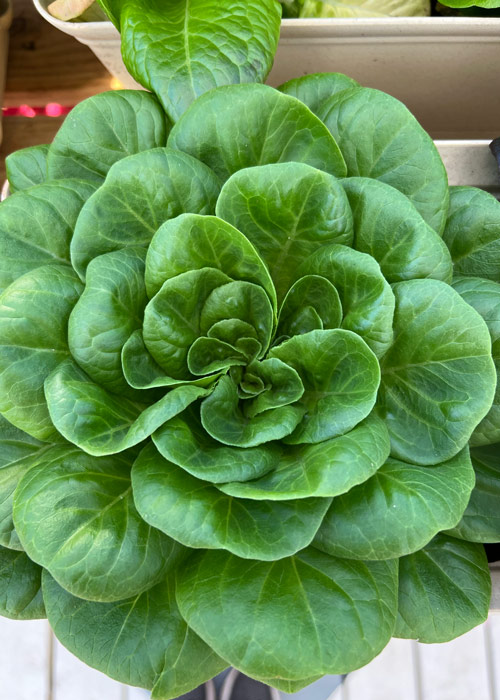
Lettuce & Brassicas (Cabbage, Broccoli, etc.) – Brassicas release compounds that can slow lettuce growth.
Greenhouse Companion Planting Layout Tips
Use Vertical Space: Train vining plants (like cucumbers and tomatoes) up trellises to save room.
Group by Growth Rate: Fast growers (like lettuce and radishes) pair well with slower crops.
Rotate Plants Seasonally: Keep the soil healthy by rotating nitrogen fixers (beans, peas) with heavy feeders (tomatoes, peppers).
Observe & Adjust: If plants aren’t thriving together, tweak your setup and try again.
Final Thoughts: My Experience with Companion Gardening
When I first started my greenhouse, I planted tomatoes, cucumbers, and peppers all in the same space—not realizing they were competing for nutrients and moisture. Once I started using strategic companion planting, my yields improved, pests disppeared, and my plants looked healthier.
Companion gardening is a simple yet powerful way to work with nature rather than against it. Try experimenting with some of these pairings, and let me know what works best for you!
What companion plant combos have worked best in your greenhouse? Share your experience in the comments!