Backyard Greenhouse Food Security: Grow Food Year-Round
In recent years, the conversation around food security has shifted from something agricultural experts talked about… to something everyday families are feeling personally.
Rising grocery costs. Supply chain disruptions. Produce that spoils quickly. Nutrients lost long before food reaches our kitchens. More and more people are realizing that having reliable access to fresh, nutrient-dense food is no longer something to take for granted.
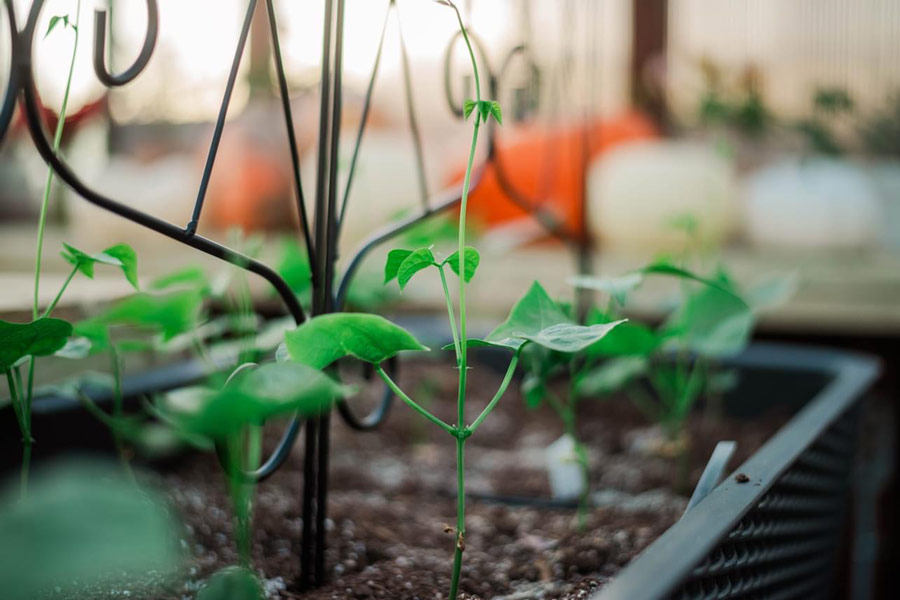
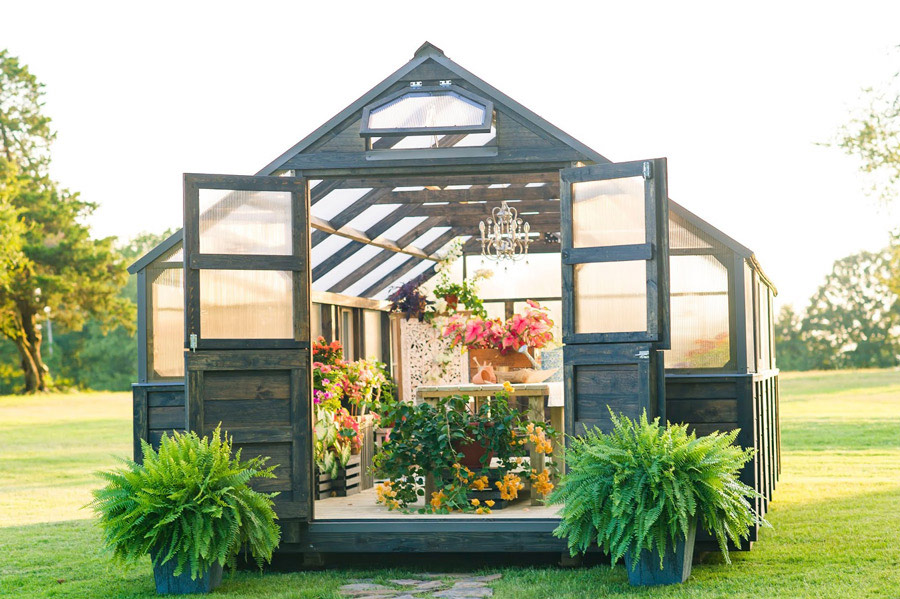
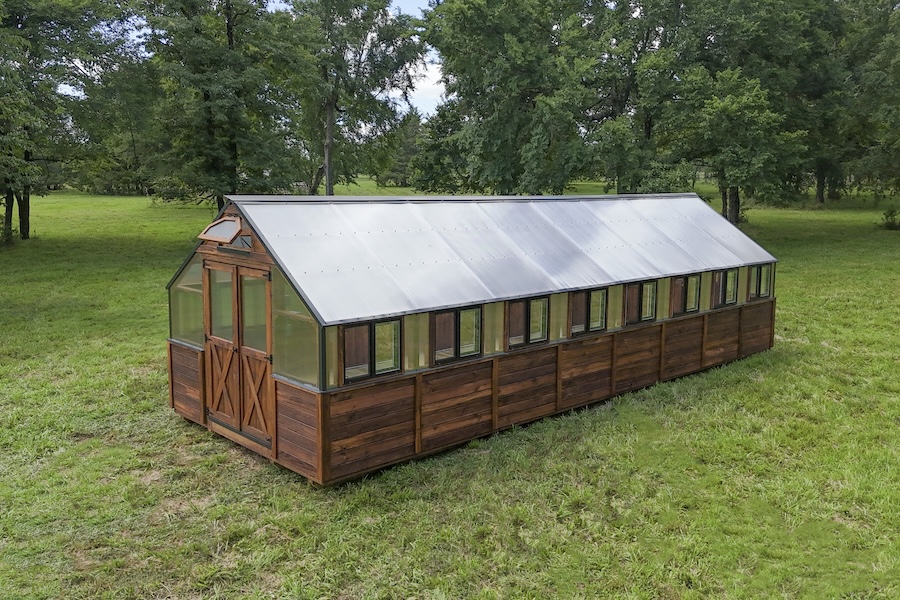
And that’s where a simple backyard greenhouse becomes one of the most powerful tools an ordinary household can have — not just for gardening, but for long-term food security.
This isn’t about fear.
It’s about freedom.
It’s about resilience.
And it’s about understanding the science of why growing your own food — especially inside a greenhouse — gives families a level of security, independence, and stability that the grocery store simply can’t match.
What Food Security Really Means (and Why It’s Becoming a Concern)
Food security is defined by the USDA as “having reliable access to a sufficient quantity of affordable, nutritious food.” Simple enough — but modern food systems don’t make this easy.
Here are a few factual stresses families are responding to:
1. Rising grocery costs
The price of fresh produce has risen dramatically over the past decade. Leafy greens, herbs, berries, and tomatoes — the most nutrient-dense foods — carry some of the highest markups.
2. Long-distance transportation
Most Americans don’t realize that their salad greens often travel 1,500–2,000 miles before reaching the store. Every hour of transport degrades nutrients — especially vitamin C, folate, and antioxidants — and shortens shelf life.
3. Vulnerable supply chains
Pandemic disruptions opened people’s eyes: grocery stores operate on just-in-time inventory, meaning most stores only have 3–5 days of fresh food on hand.
4. Climate unpredictability
Heat waves, late freezes, droughts, and storms affect crop availability and pricing nationwide.
Food security isn’t about prepping or panic. It’s about being less dependent on a fragile system.
And that’s exactly where a greenhouse changes the entire equation.
How a Greenhouse Dramatically Improves Food Security
A greenhouse gives you something the grocery store cannot: control.
Control of environment.
Control of growing conditions.
Control of food quality.
Control of harvest timing.
Control of what goes into (and doesn’t go into) your food.
And with that control comes stability.
Here are the core ways a greenhouse strengthens a family’s food security, supported by real horticultural facts.
1. A Greenhouse Extends the Growing Season
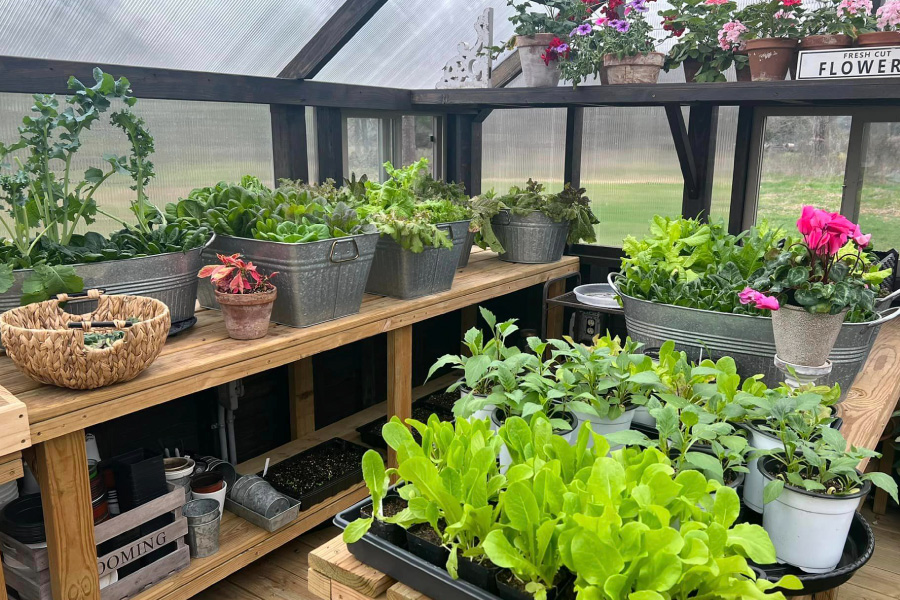
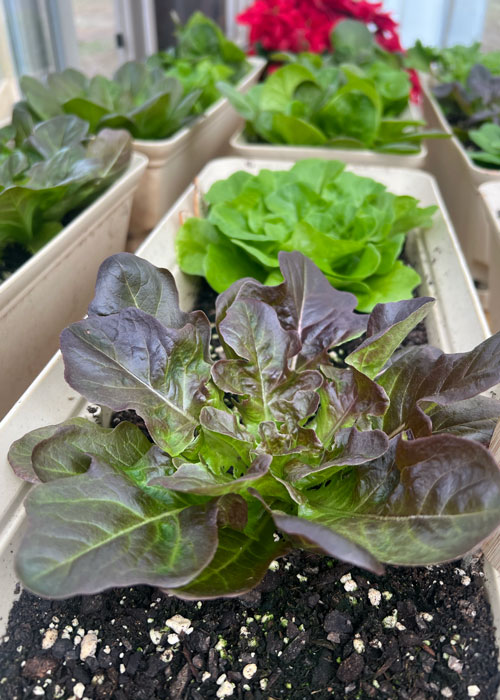
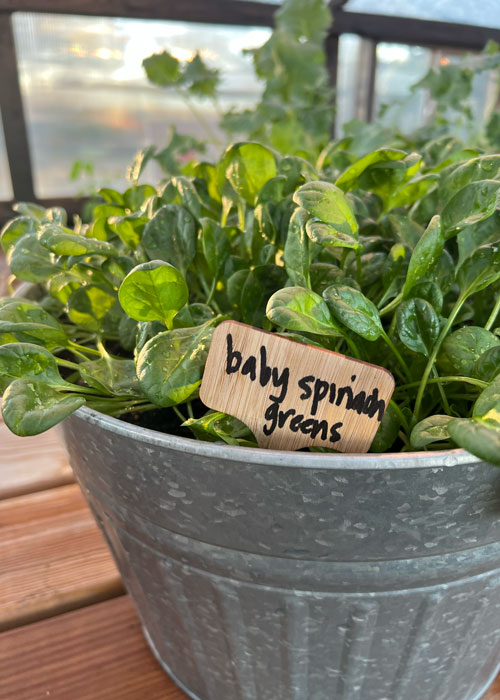
That means fresh food when everything outside is dormant — especially vital greens like:
- Spinach
- Kale
- Lettuce mixes
- Swiss chard
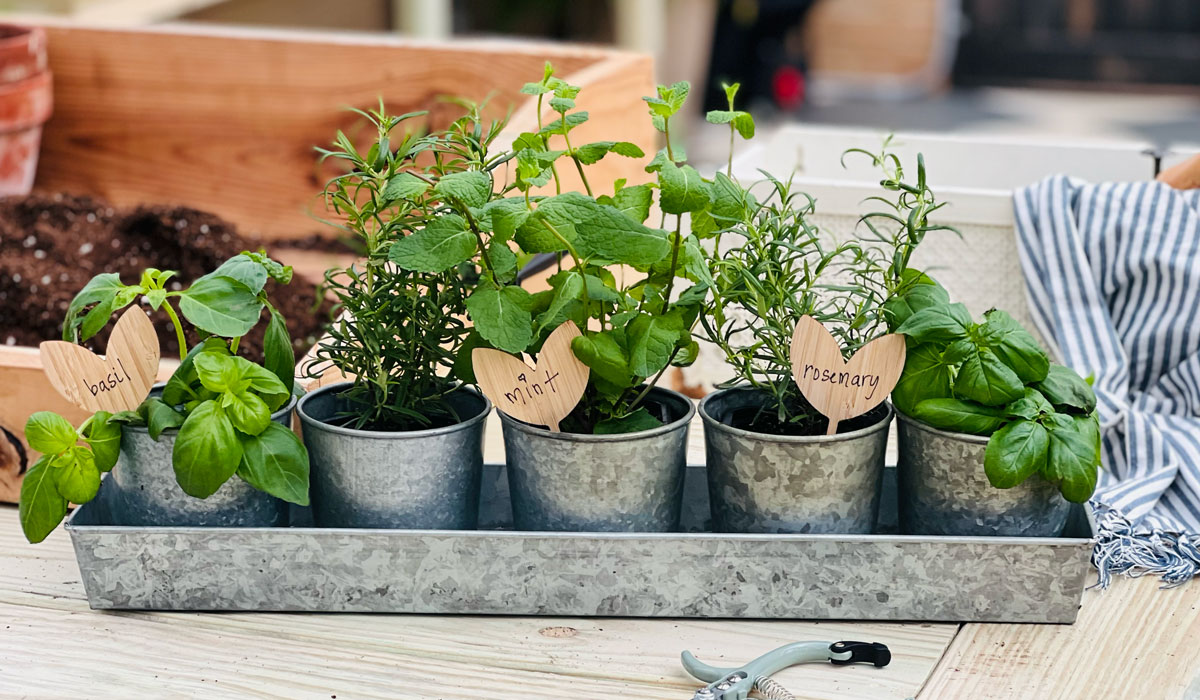
- Herbs (rosemary, cilantro, parsley, thyme)
- Carrots, radishes, beets
Research shows that cool-season crops maintain better texture, flavor, and nutrient density in controlled environments.
A greenhouse turns “once-a-year” harvests into year-round food production.
2. Nutrient Density is Dramatically Higher When Food is Homegrown
According to post-harvest studies from the University of California, vegetables can lose:
- 15–55% of vitamin C within the first 48 hours after harvest
- Up to 70% of folate during the transport and storage process
- Significant antioxidants after 3–7 days in refrigeration
When you grow in a greenhouse, you bypass all of that.
You harvest at peak ripeness — not when it’s durable enough to survive shipping.
You eat within minutes or hours — not days or weeks.
Your food is more nutrient-dense simply because it’s fresher.
Food security isn’t just about quantity.
It’s about quality.
3. You Control the Input: No Chemicals You Didn't Choose
Most commercial produce is treated with:
- Fungicides
- Herbicides
- Sprout inhibitors
- Wax coatings
- Anti-browning agents
- Chlorine washes
Greenhouse-grown food avoids all of this unless you choose to use products.
You control:
- The soil
- The fertilizer
- The water
- The light
- The variety choices
- The harvest time
This is food you can trust because you grew it.
4. A Greenhouse Reduces Dependence on Unpredictable Grocery Availability
Most grocery stores stock produce based on:
- Temperature-sensitive shipments
- Regional shortages
- Import delays
- Supplier availability
When the lettuce recall hits, or storms in Arizona wipe out a harvest, or transportation delays occur, shelves go empty overnight.
With a greenhouse, your food isn’t dependent on any of that.
You have:
- A continuous lettuce supply
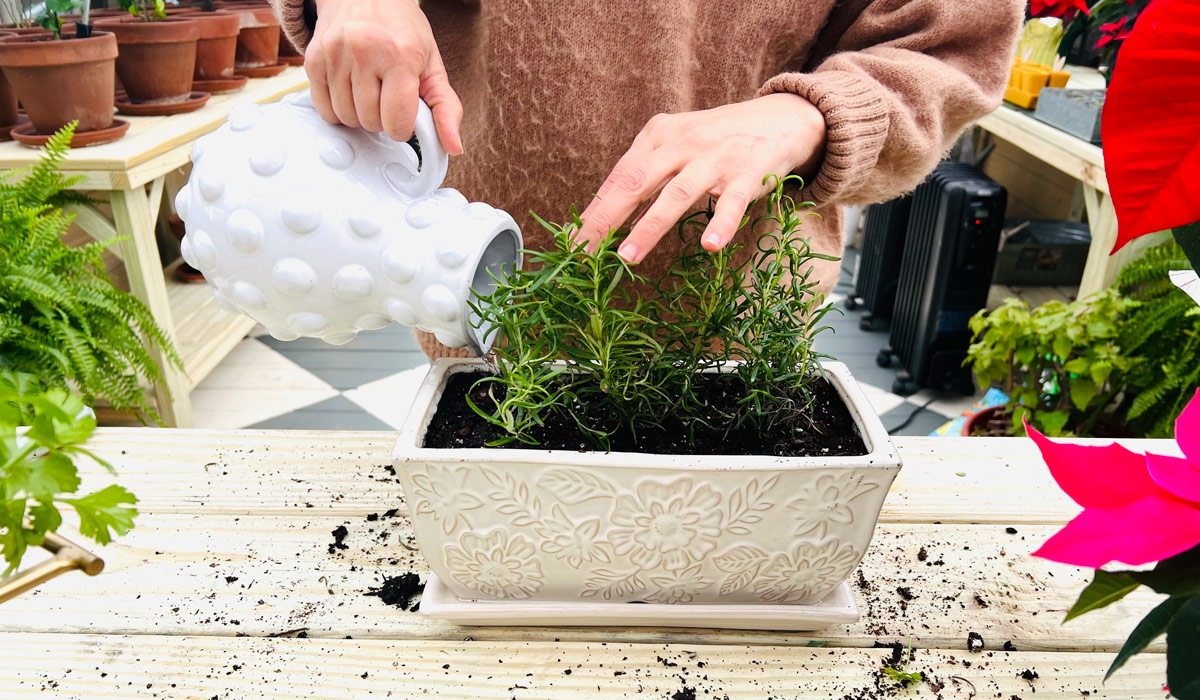
- A steady rotation of herbs
- A reliable stash of root vegetables
- The ability to start all spring plants early
- The option to grow microgreens for concentrated nutrients
A greenhouse gives families a buffer against instability.
5. A Greenhouse Produces a High Volume of Food in a Small Space
Greenhouses make use of:
- Vertical growing
- Succession planting
- Raised beds
- Container gardening
- Hanging systems
- Temperature-stable environments
This means even a modest greenhouse can produce:
- 5–10 pounds of greens per week
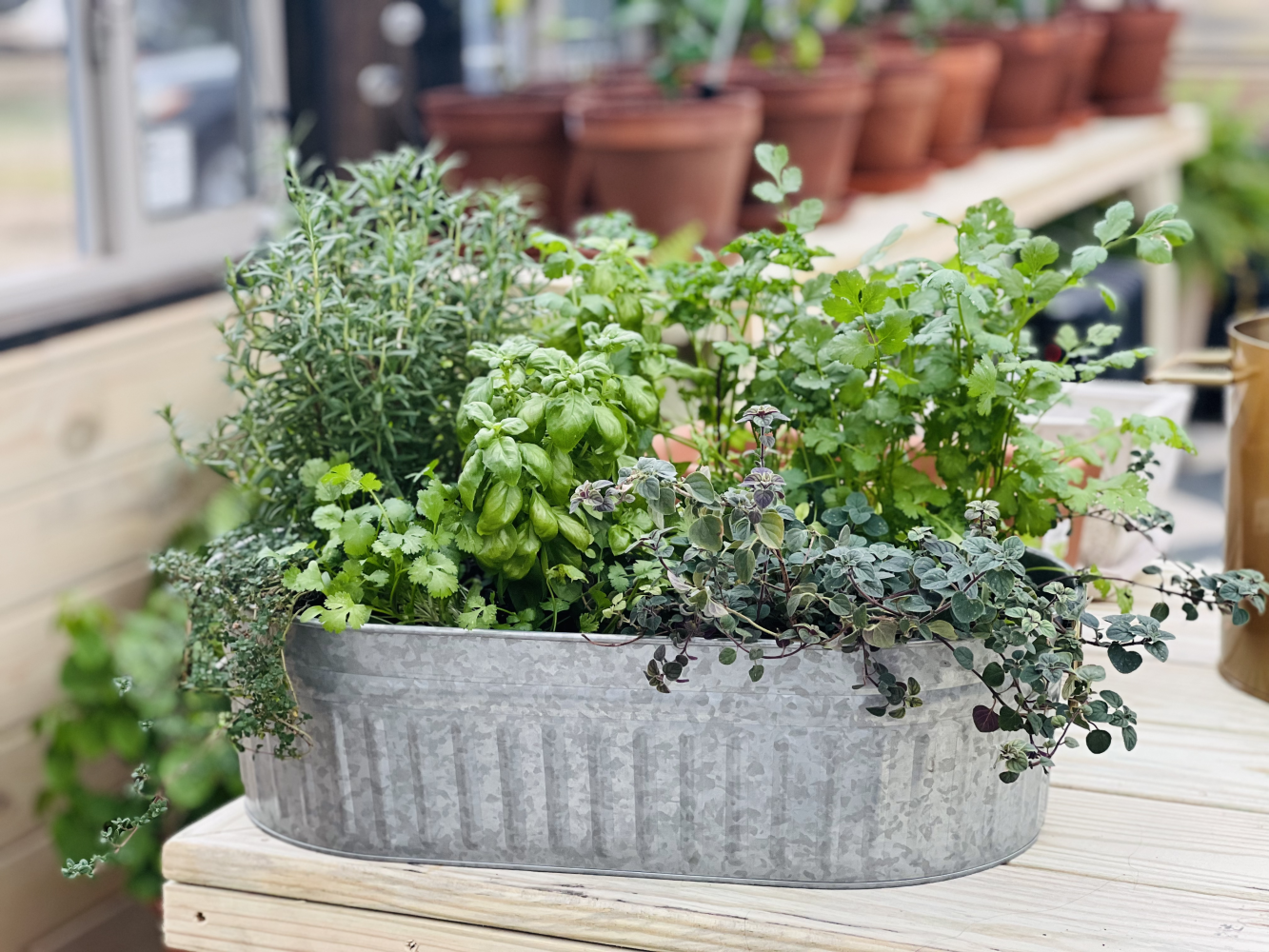
- Continuous herbs for cooking and tea
- Regular root crops
- Early tomatoes and peppers
- Seedlings for the entire outdoor garden
Food security doesn’t require acres. It requires consistency, and a greenhouse delivers that.
6. Greenhouse Support Mental Health and Emotional Resilience
This may not show up in traditional food-security research, but experts widely recognize:
- Reduced stress levels
- Increased vitamin D exposure
- Improved mood
- A sense of purpose and routine
- Therapeutic benefit from nurturing plants
In uncertain times, mental stability is part of overall resilience. A greenhouse provides daily grounding — a place where life keeps growing even when the world feels unpredictable.
Why Food Security Matters More Now Than Ever
Families today are facing:
- Increasing food costs
- Lower nutrient availability
- Shorter shelf life
- Higher spoilage
- More recalls
- More additives
- Supply-chain volatility
A greenhouse is not a luxury.
It’s a long-term food investment.
A passive provider of stability.
A source of nutrition, independence, sustainability, and peace.
The Bottom Line: A Greenhouse Helps You Feed Your Family — No Matter What
Imagine stepping outside in January and harvesting:
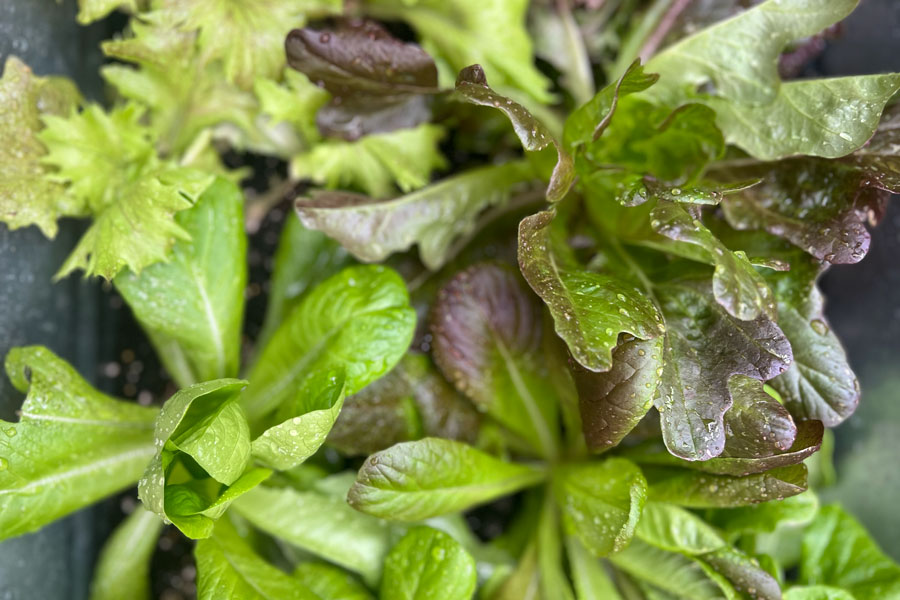
- Crisp lettuce
- Sweet carrots
- Fresh herbs
- Vibrant greens
Imagine starting your spring garden two months early.
Imagine knowing your family will always have access to fresh, clean, homegrown food.
Imagine a space that feeds your body, calms your spirit, and strengthens your household — all year long.
That is the power of a greenhouse.
Not just for gardening…
…but for true food security.