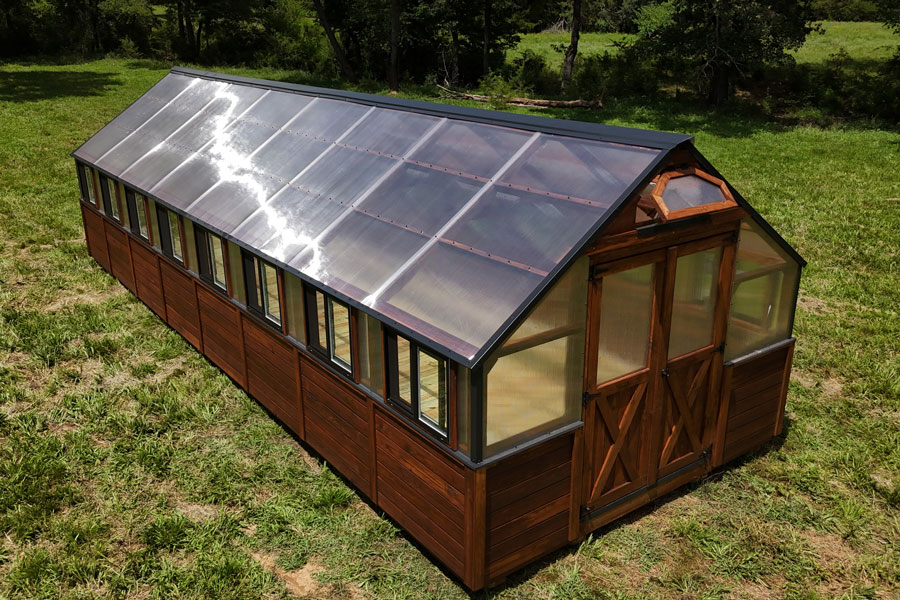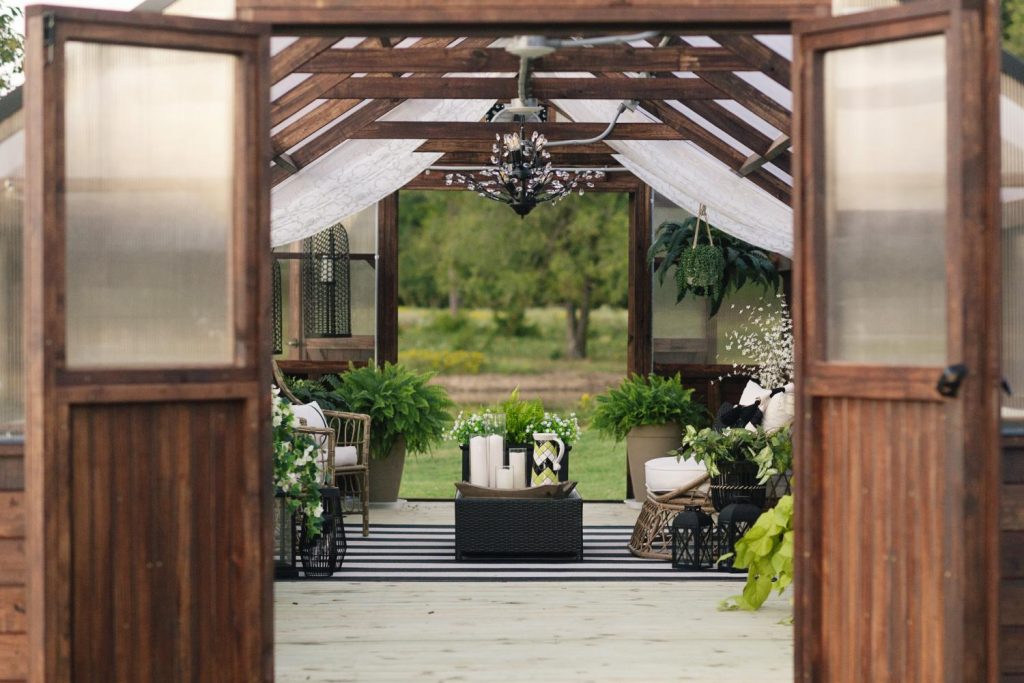
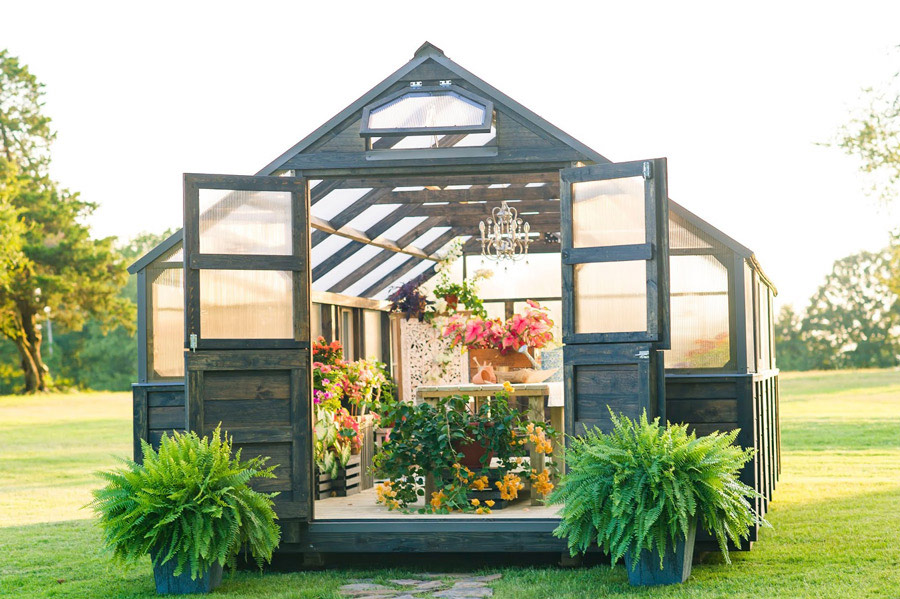
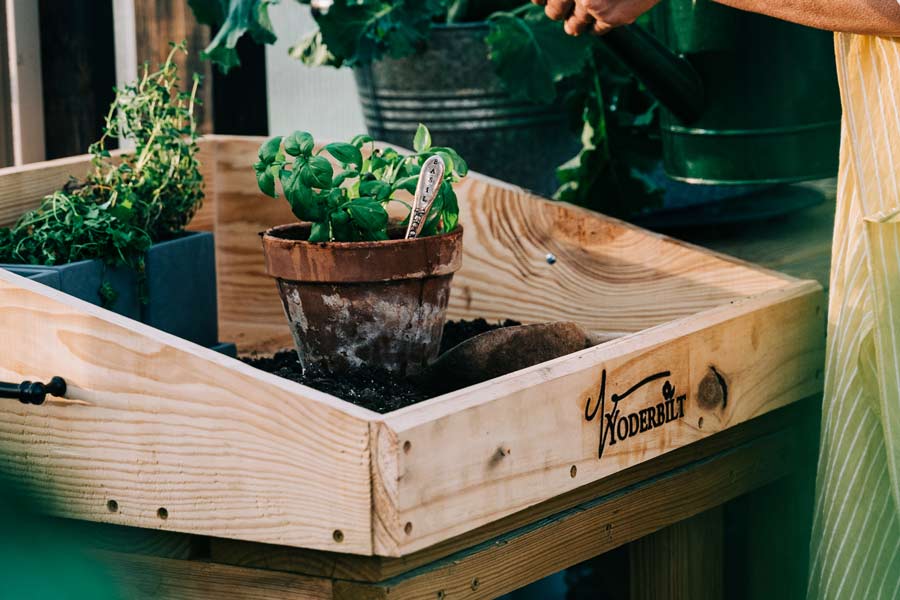
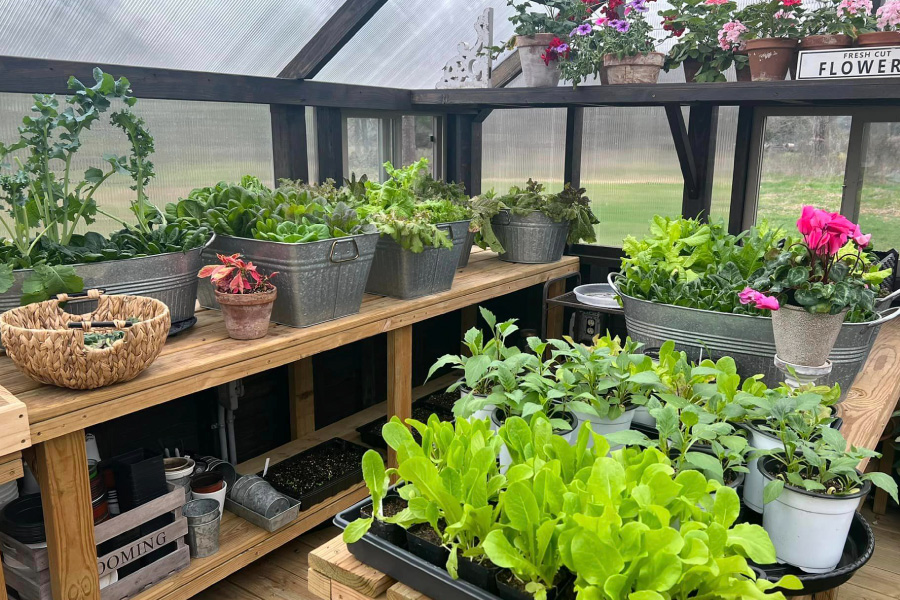
How a Greenhouse Helps You Cut Your Grocery Bill
From Seed Starting to Harvest — A Smarter Way to Garden Year-Round
Groceries aren’t what they used to be, and it’s not just the rising prices. It’s the realization of how often we find ourselves buying the same staples like tomatoes, lettuce, and herbs over and over again. This has led many to wonder if they could just grow more of it themselves.
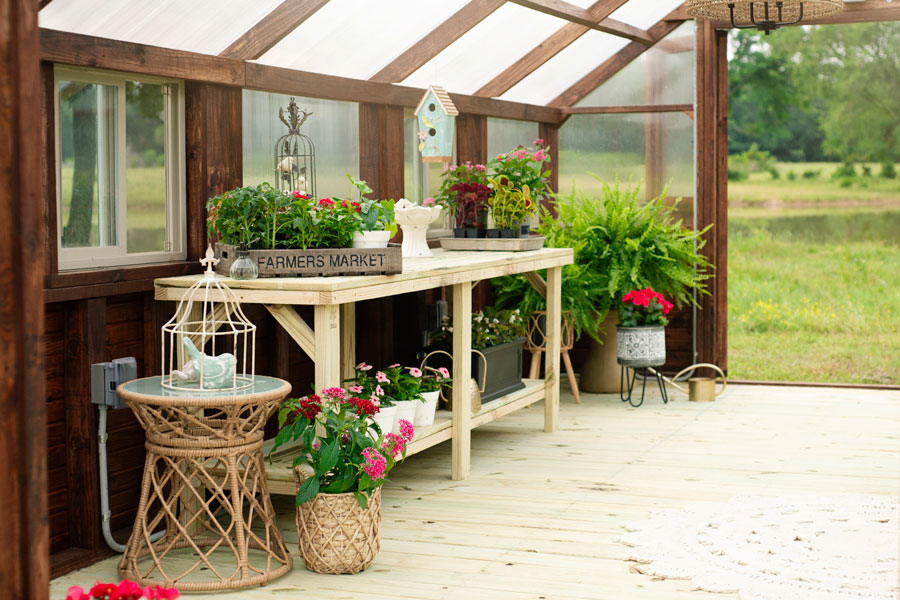
More importantly, it brings up the question of whether they could grow it earlier in the season, keep it going longer, and do it more consistently. That is where a greenhouse changes the game.
While it won’t happen all at once, shifting from the checkout line to your own backyard eventually starts to feel like a completely different and far more rewarding way of living.The right location doesn’t just help plants thrive, it creates a space you’ll find yourself drawn to day after day.
Why a Greenhouse Changes Food Production
A greenhouse isn’t just about growing plants.
It’s about changing when and how much you can grow.
With a greenhouse, you can:
- start seeds weeks earlier
- protect young plants from weather
- extend harvests into fall
- continue growing cool-season crops in winter
Instead of being limited to one short outdoor season, you begin stacking seasons together.
And that’s where production increases.
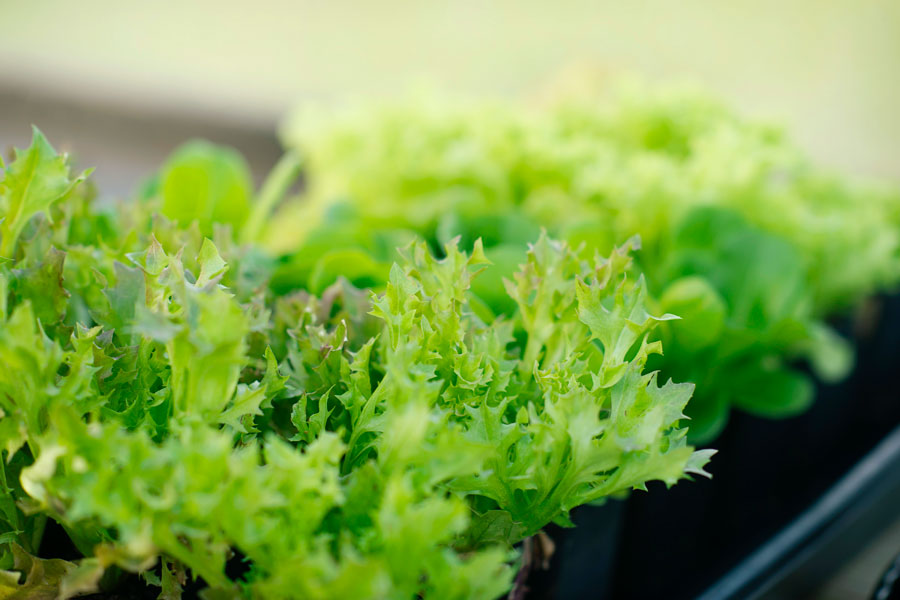
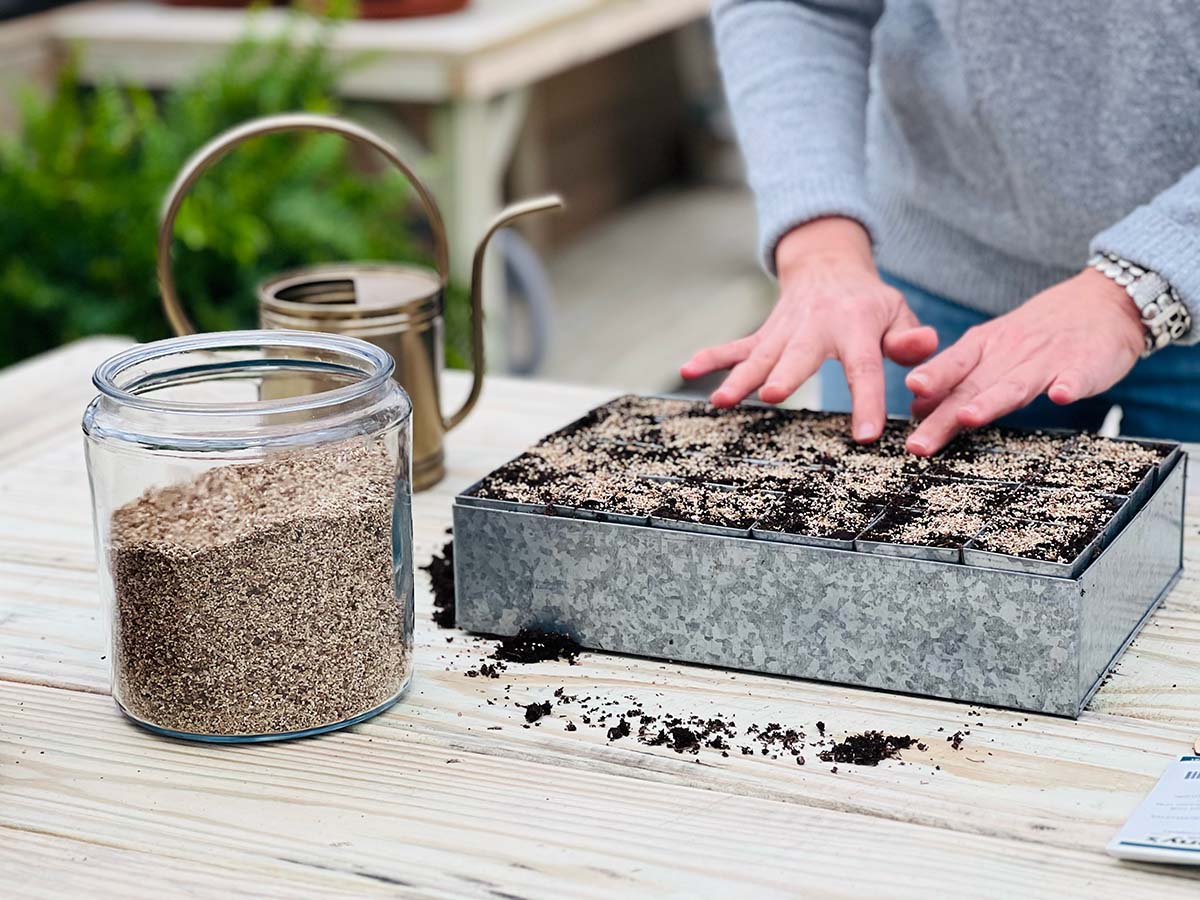
The Power of Starting Your Own Seedlings
This is one of the biggest shifts — and most people don’t realize it at first.
Walk into any garden center today and you’ll see it; individual seedlings often cost $4–$6+
each.
Now multiply that across a garden:
- tomatoes
- peppers
- cucumbers
- herbs
- flowers
It adds up quickly. But when you start your own seeds in a greenhouse:
 you control the varieties
you grow as many as you want
you start earlier
you grow stronger plants
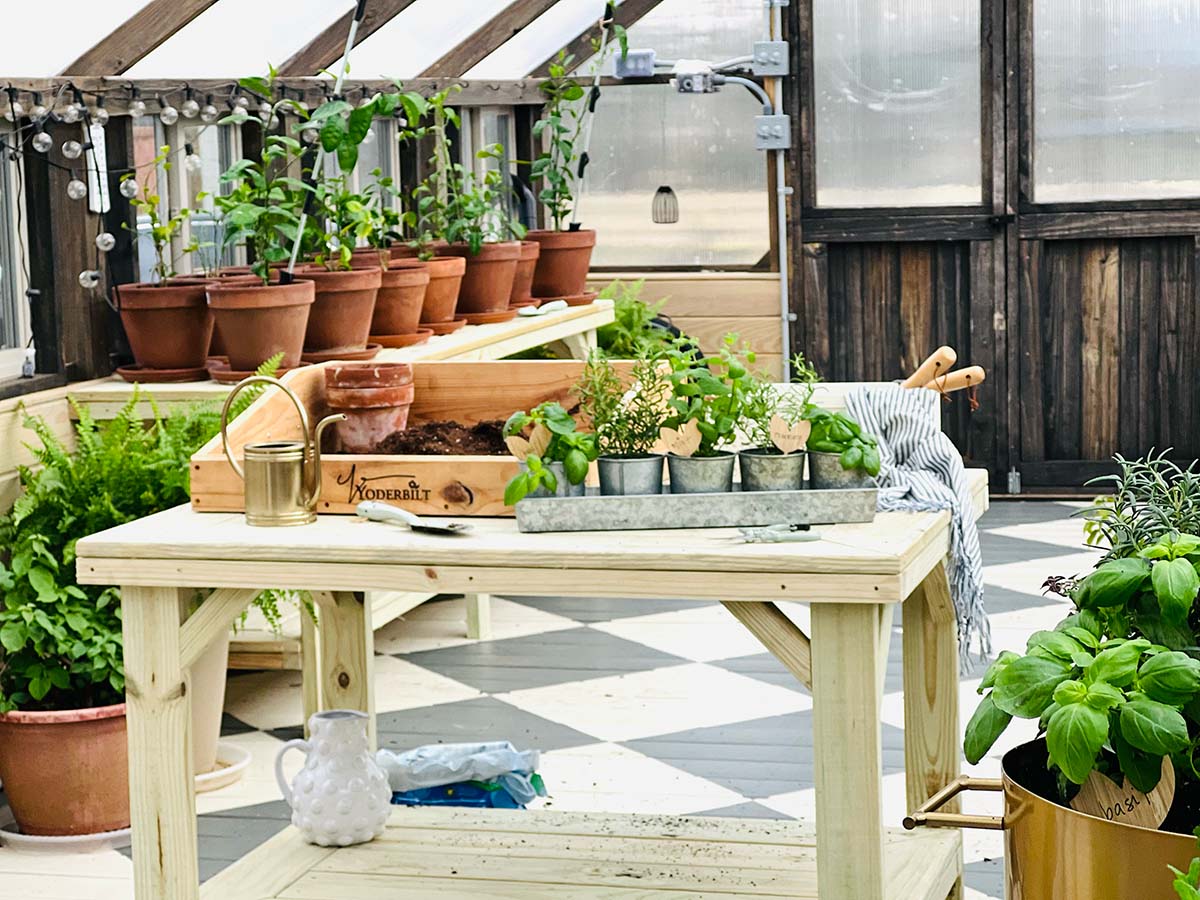
How Much Food You Can Actually Grow
This is where it really starts to click. Even a small greenhouse can produce a surprising amount of food — especially when used across multiple seasons.
Example yields:
- One tomato plant → 30–40 pounds of tomatoes
- One cucumber plant → 10+ cucumbers over time
- One zucchini plant → continuous production
- Lettuce → cut-and-come-again for weeks
- Herbs → harvest again and again
But the real difference isn’t just individual plants. It’s volume.
When you’re starting your own seedlings, you’re not planting 3 or 4 plants. You’re planting 12… 24… sometimes more.
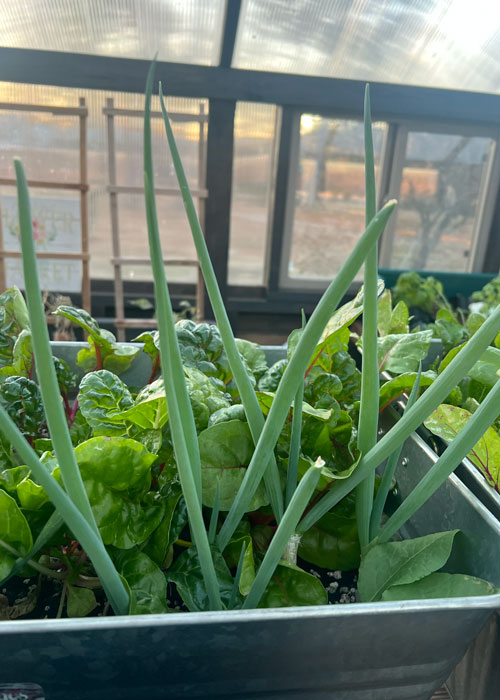
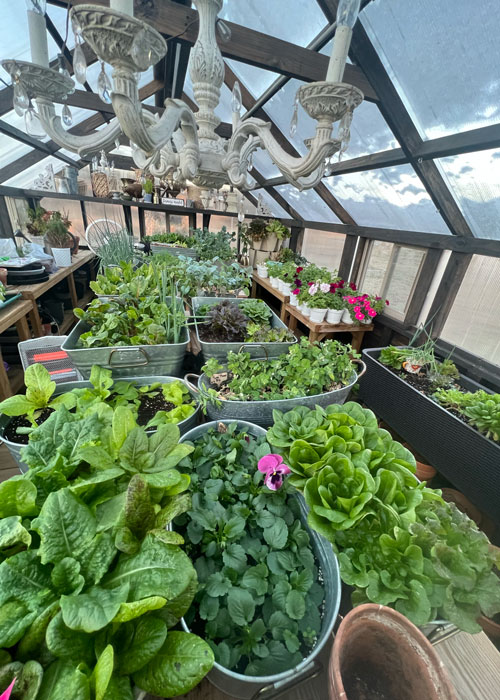
Using Your Greenhouse And Outdoor Garden Together
The most effective way to use a greenhouse isn’t to replace your outdoor garden, it’s to work with it.
Spring
Start seeds early in your greenhouse:
- tomatoes
- peppers
- cucumbers
- herbs
By the time outdoor planting season arrives, you’re already weeks ahead.
Summer
Move plants outdoors into:
- raised beds
- in-ground gardens
- containers
Your greenhouse transforms but being just a growing space, to a full support system.
Fall
As outdoor gardens begin to slow down, your greenhouse picks back up.
You can grow:
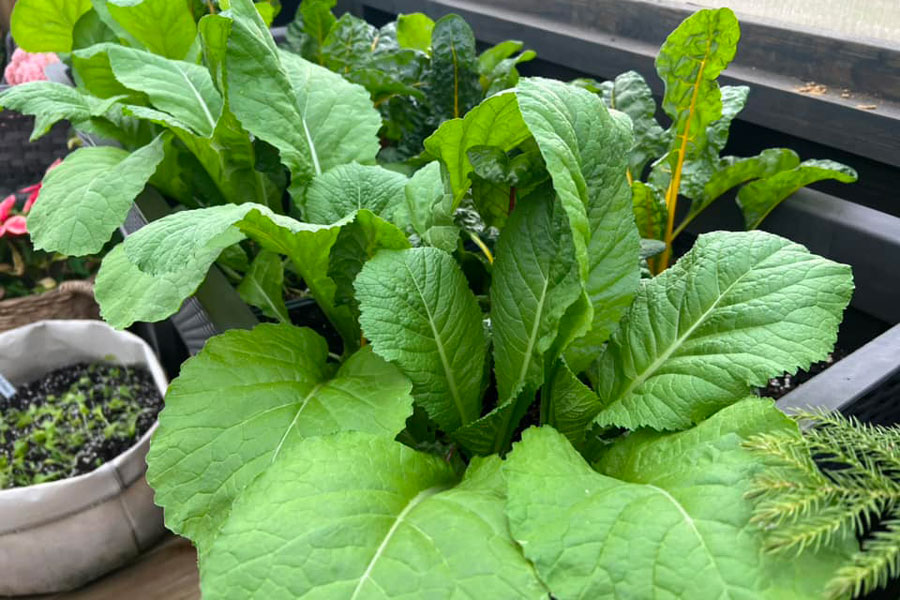
- lettuce
- spinach
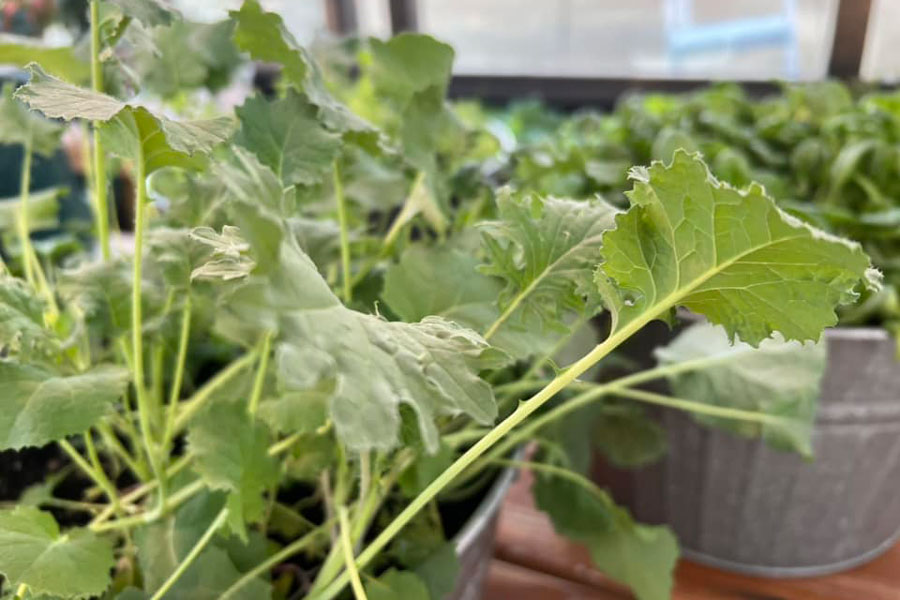
- kale
- herbs
And continue harvesting long after outdoor plants fade.
Winter
This is where many people are surprised. Even without heavy heating, many greenhouses continue producing:
- greens
- herbs
- cool-season crops
There is a specific moment many gardeners experience that changes everything. It starts simply: you walk into your greenhouse to check a few trays, water your plants, or turn a seedling toward the light. A few weeks later, those same plants are thriving in your garden, and eventually, they make their way into your kitchen.
There is a profound shift when you realize you aren't eating something you picked up at the store, but something you started and nurtured yourself. In that moment, it isn't just gardening anymore. It becomes true provision.