How to Create a Garden Journal (And Why Every Greenhouse Gardener Should)
In a world that moves fast, there's something deeply grounding about slowing down long enough to write things down — especially when it comes to the quiet, everyday miracles that happen inside a greenhouse.
Whether you’re growing tomatoes for the first time, experimenting with seed varieties, or simply trying to remember what worked (and what flopped), a garden journal is one of the most powerful tools you can have as a gardener.
It doesn’t need to be complicated or Pinterest-perfect. But it does need to exist.
Here’s everything you need to know about creating a garden journal — and how it can transform your small space greenhouse from a patch of plants into a productive, peaceful, and purpose-driven space.
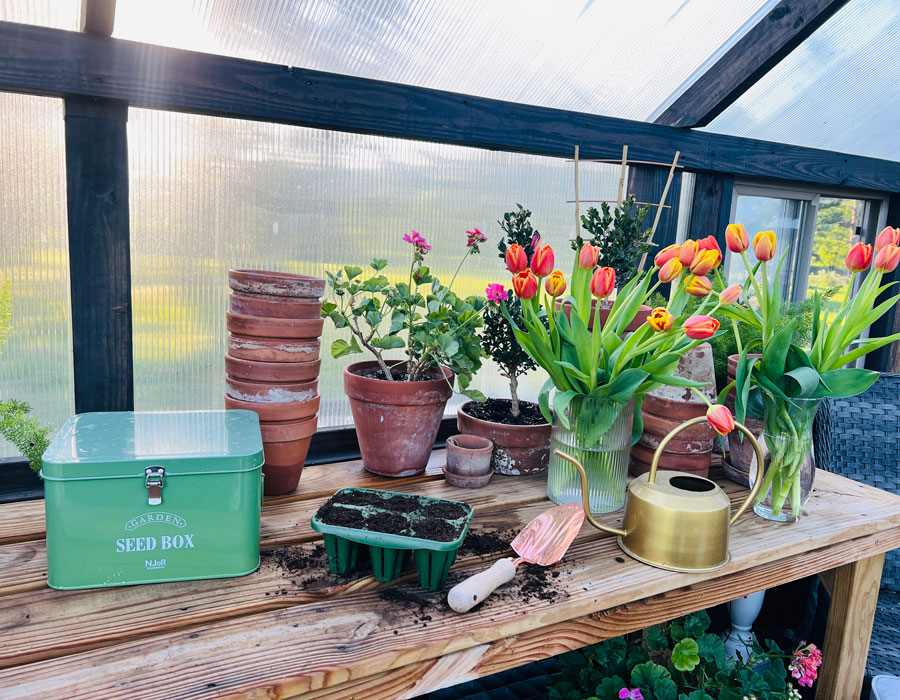
Why Keep a Garden Journal?
Most gardeners (especially greenhouse gardeners) are juggling a lot — timing, temperature control, crop rotation, soil health, and seed starting schedules. And let’s be honest: you won’t remember it all.
A garden journal helps you:
- Track what you planted and when
- Monitor germination rates and harvest yields
- Remember what worked — and what didn’t
- Plan better each season
- Catch patterns in pests, diseases, or environmental changes
- Reflect on progress and celebrate the wins (no matter how small)
Whether you're a new gardener or have been at this for years, documenting your journey brings clarity and intention to your growing season.
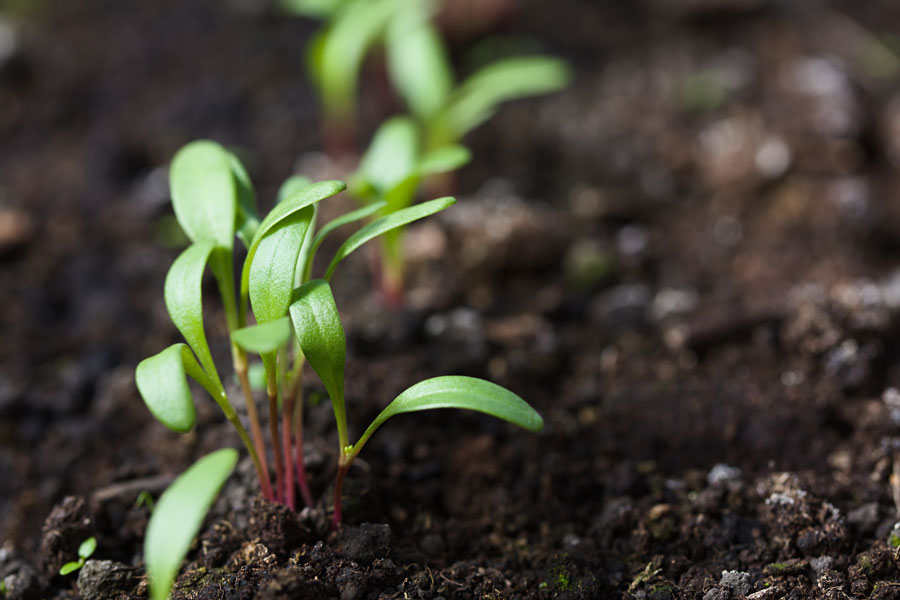
What to Include in Your Greenhouse Garden Journal
This can be as structured or as free-form as you like. Here’s a breakdown of the most helpful pages and sections to include:
1. Garden Layout Sketch
Draw (or paste) a simple diagram of your greenhouse setup — where each crop is planted, what’s in pots, where your heat mats or fans are, etc.
✅ Pro Tip: Keep one layout per season so you can rotate crops and improve soil health.
2. Seed Starting Log
Record:
- Date started
- Type and variety
- Germination date
- Notes on heat mat, humidity dome, or lighting used
✅ Helps you track how long seeds took to sprout and which varieties performed best.
3. Planting & Transplanting Calendar
Include dates you:
- Direct sowed
- Transplanted from seed trays
- Added amendments or compost
- Noted a frost or cold snap
✅ Use this to anticipate future timing or adjust based on past successes.
4. Weather & Temperature Notes
Especially helpful in greenhouses where you’re managing warmth and humidity manually or with minimal automation.
Track:
- Outdoor highs/lows
- Greenhouse highs/lows
- Notes on ventilation or overheating
- Extreme weather events (snowstorm, heatwave, etc.)
✅ Use a digital thermometer with a memory function to easily jot this down daily or weekly.
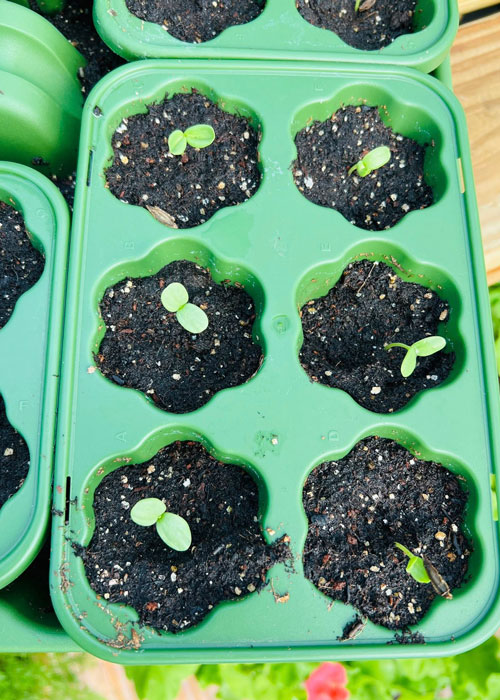
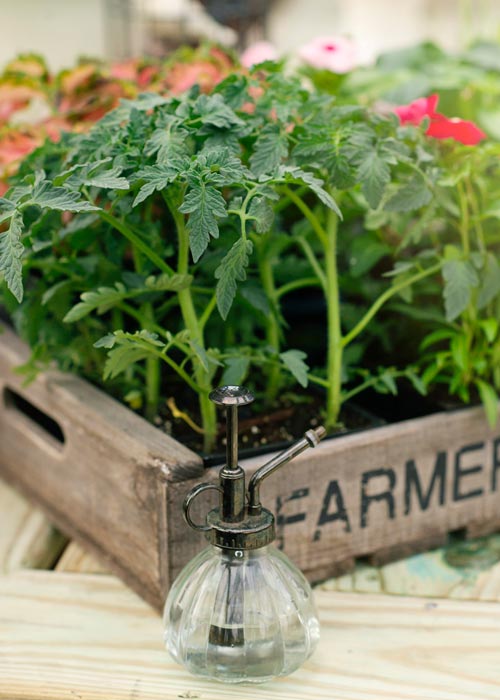
5. Fertilizer & Watering Log
Track:
- What you used (fish emulsion, worm castings, compost tea, etc.)
- When and how much
- Response from the plant (greener leaves? Yellowing reduced?)
✅ Helps avoid over/under-feeding and keeps you on a regular schedule.
6. Pest & Disease Observations
Document:
- Type of pest/disease
- Where you spotted it
- Organic solution tried
- Outcome
✅ Over time, you’ll see patterns that can help you prevent issues earlier.
7. Harvest Records
Track:
- Crop name & variety
- First and last harvest dates
- Yield (even just a rough count or weight)
- Taste/texture notes
✅ Helps you choose the best performers for next season.
8. Seasonal Reflections
This can be a simple paragraph at the end of each month or season:
- What surprised you
- What frustrated you
- What brought you joy
- What you’d like to try next time
✅ This is where the heart of your garden journal lives — don’t skip it.
How to Set Up Your Journal
You can keep your journal in several formats:
1. Handwritten Notebook
A simple spiral notebook or bound journal. Bonus if it’s waterproof or smudge-proof.
Pros: Personal, tactile, easy to keep in the greenhouse
Cons: Harder to search, can be messy
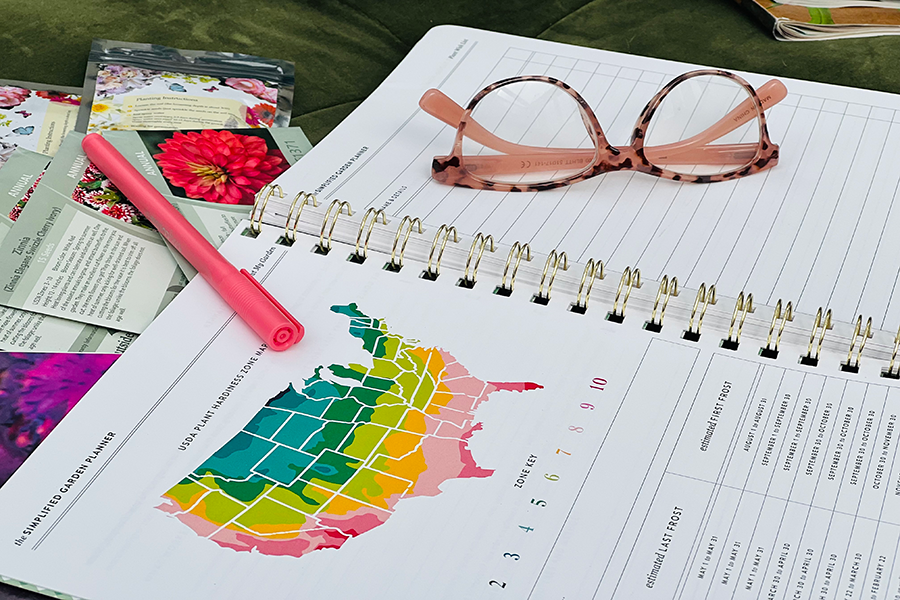
2. Printable Binder or Planner
Use printable templates or your own hand-drawn sheets organized by tab (seasons, crops, notes, etc.).
Pros: Organized, customizable
Cons: Requires a printer and prep time
3. Digital Journal (Google Sheets, Notion, or Garden Apps)
If you’re tech-savvy, use a spreadsheet or digital planner to log everything.
Pros: Searchable, trackable, and great for graphs/charts
Cons: Less personal, less accessible while in the greenhouse
Bonus Section Ideas
Here are a few more fun or practical extras:
- Favorite seed catalogs & suppliers
- Photos of progress (before/after beds, first bloom, first harvest)
- Monthly task checklist
- Wishlist for next season
- Companion planting reference
- Soil amendment notes or test results
Final Thoughts: Why It’s Worth It
A garden journal isn’t just about tracking data — it’s about capturing a living record of growth. It’s your story as a gardener. It’s the heartbeat of your greenhouse, your rhythm with the seasons, your legacy of learning.
So start where you are. Scribble a few notes. Sketch a messy layout. Paste in a photo or two.
Years from now, when you’re sipping coffee in your greenhouse surrounded by healthy plants, you’ll be so glad you did.