
6 Best Tips for Managing Temperature & Humidity
Spring is an incredible time in the greenhouse—the season of fresh growth, strong seedlings, and endless possibilities! But with shifting temperatures and rising humidity, keeping everything in balance takes a little know-how.
When I first started using my Yoderbilt Greenhouse, I assumed spring would be the easiest season. Mild days, cool nights—what could go wrong? Well, let’s just say I learned a lot in my first season. Now, I have a solid system in place, and I’m excited to share my best strategies for managing temperature and humidity in spring so you can set your greenhouse up for success!

Why Spring Greenhouse Management Matters
Spring weather can be unpredictable, with warm, sunny afternoons followed by crisp nights. While this seasonal shift is great for plant growth, it also means greenhouse conditions can fluctuate quickly. A well-managed greenhouse creates the ideal environment for strong, healthy plants—without the stress of constant adjustments.


My Go-To Greenhouse Strategies for Spring
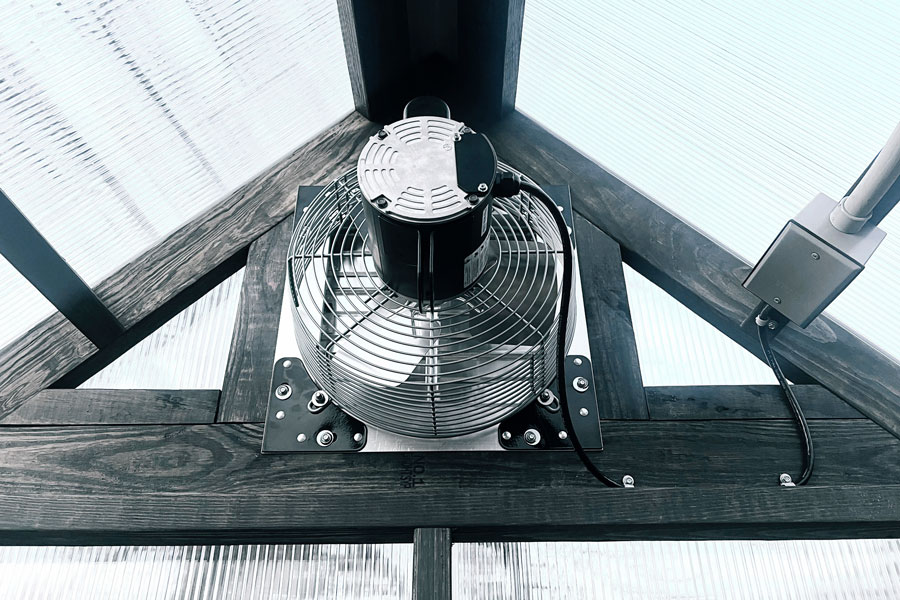
Electric Exhaust Fan: The Most Efficient Cooling System
Installing an electric exhaust fan in your greenhouse is one of the best ways to regulate temperature and humidity automatically.
Why an exhaust fan is essential in spring:
- Removes hot, stagnant air before temperatures become extreme.
- Increases airflow, preventing mold and mildew buildup.
- Maintains consistent temperature control with minimal effort.
How I use my exhaust fan:
- Set on a thermostat to turn on automatically when temps rise.
- Run throughout the day to prevent heat buildup.
- Pair with extra ventilation (open doors/windows) for maximum efficiency.💡
Open Doors & Extra Windows: The Simplest Ventilation Hack
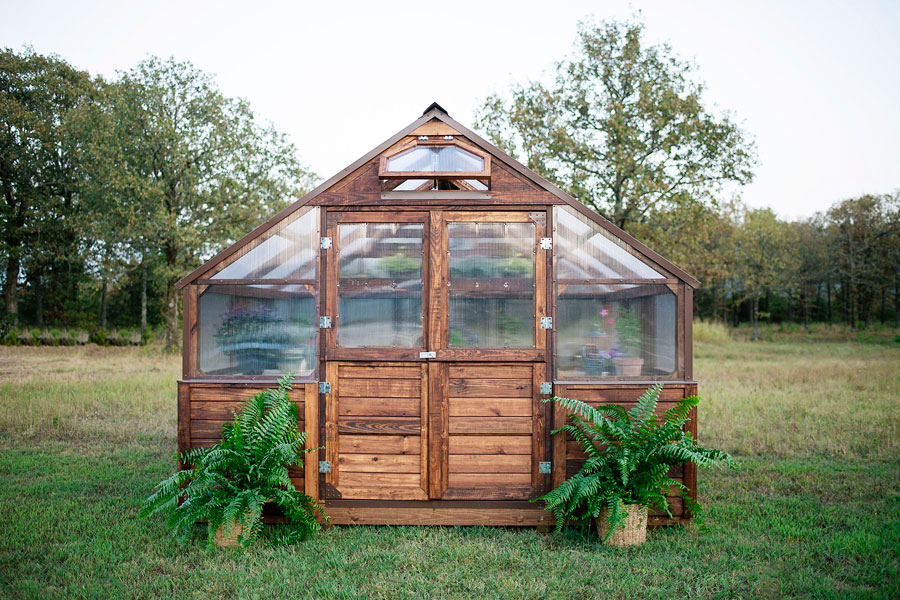
Sometimes, the easiest solutions are the most effective! Opening greenhouse doors and extra windows is a fast way to improve airflow and reduce humidity.
Benefits of opening doors & windows in spring:
- Creates cross-ventilation, allowing fresh air to circulate.
- Reduces temperature spikes by letting excess heat escape naturally.
- Prevents condensation buildup by improving airflow.
How I use this method:
- Open both doors and additional side windows mid-morning to let heat escape.
- Leave them open until the evening when temperatures start to drop.
- On cooler days, adjust based on humidity and sun intensity.
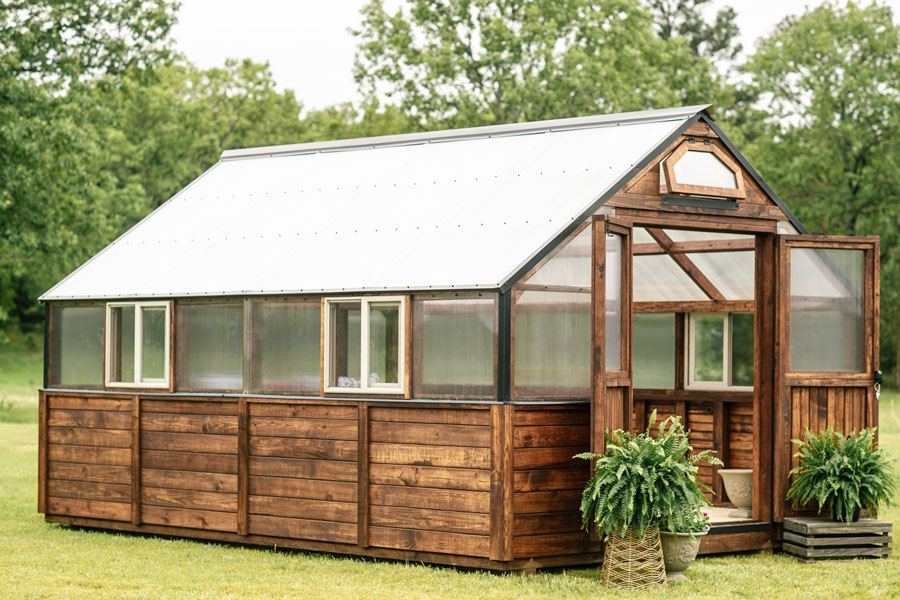
Automatic Vent Openers: A Set-It-and-Forget-It Solution
For effortless climate control, automatic vent openers adjust based on temperature, opening and closing without manual effort.
Why I love automatic vents:
- They open as the greenhouse warms and close as it cools.
- They prevent overheating without needing constant monitoring.
- They work even when you’re away, ensuring stable conditions.

Fans for Air Circulation & Humidity Control
Why air circulation matters:
- Reduces hot spots by moving air evenly throughout the greenhouse.
- Prevents mold, mildew, and fungal growth by reducing moisture buildup.
- Strengthens seedlings, encouraging stronger stems and healthier growth.
How I use greenhouse fans:
- Oscillating fans on low speed keep air moving without drying out plants.
- Box fans positioned near doors/windows enhance cross-ventilation.
- Pairing fans with exhaust vents creates an amazing cooling system.
Pro Tip: Set fans on timers to run during peak heat hours and turn off at night.

Shade Cloth: Preventing Heat Stress Before It Starts
Once spring temperatures climb, the greenhouse can become too warm, too fast—leading to heat stress, wilting, and plant damage.
Adding a shade cloth helps:
- Lower interior temperatures by 10-15°F.
- Reduce direct sun exposure while still allowing enough light for growth.
- Prevent leaf scorch in delicate seedlings.
How I use shade cloth:
- Attach a 70% Aluminet shade cloth in late March as temperatures rise.
- Adjust coverage based on daily weather conditions.
- Pair with ventilation and fans for maximum cooling.

Temperature Monitoring: The Key to Consistency
A digital thermometer helps you track daily conditions and make adjustments as needed.
What I use: A dual sensor thermometer/hygrometer that monitors:
- Current greenhouse temperature
- Humidity levels
- Daily highs and lows
Pro Tip: Choose a model with remote monitoring so you can check conditions from indoors.
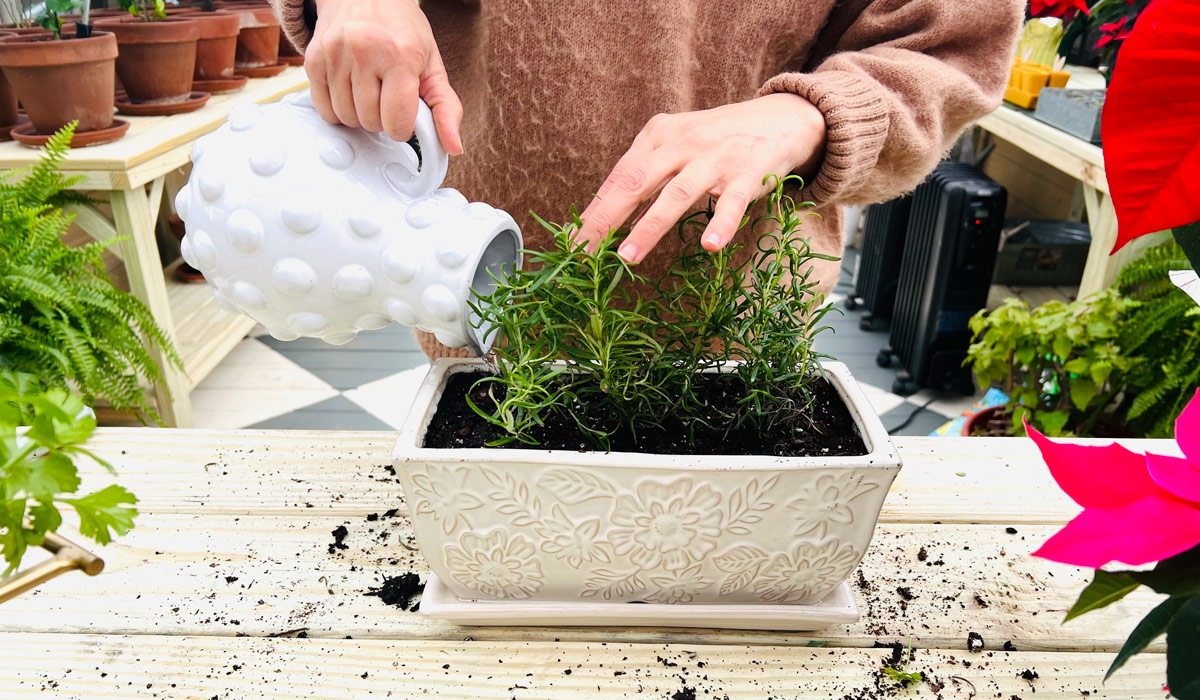
Smart Watering for a Healthy Greenhouse
How I adjust my watering routine in spring:
- On humid days, I focus on watering the soil, not the foliage.
- If I water overhead, I do it early in the morning so leaves dry before nightfall.
- Less is often more—overwatering in humid conditions can lead to mold or mildew.
My Daily Greenhouse Routine for Spring
Morning:
- Check temp & weather for the day.
- Adjust vents, fans, or shade cloth as needed.
- Quick scan for any signs of plant stress.
Midday Check-In if I’m Home:
- Ensure airflow is steady.
- Adjust doors/windows if the sun is strong.
- Water if needed.
Evening:
- Close doors if nighttime temps will drop.
- Turn off unnecessary fans or adjust ventilation.
- Look over plants for any changes.
My Biggest Greenhouse Takeaways
Stay ahead of the weather. A quick morning check prevents surprises later in the day!
Use automation where possible. Auto vents and shade cloth save time and keep conditions steady.
Airflow is essential. A simple fan keeps plants strong and prevents common issues.
Use an electric exhaust fan for consistent, automatic cooling.
Open doors and extra windows for natural ventilation.
Install automatic vent openers to adjust airflow automatically.
Use fans to improve air circulation and reduce humidity risks.
By using these strategies, you’ll create a stable, thriving environment where your plants can grow strong, healthy, and productive—no stress required!
My Yoderbilt Greenhouse isn’t just a structure; it’s a partner in my gardening journey. It’s where I’ve nurtured tiny seedlings into thriving plants, experimented with new techniques, and found peace in the middle of a busy life. Whether you’re looking to grow your own food, nurture tropical plants, or simply enjoy the beauty of gardening year-round, this greenhouse truly lives up to its reputation as a workhorse.