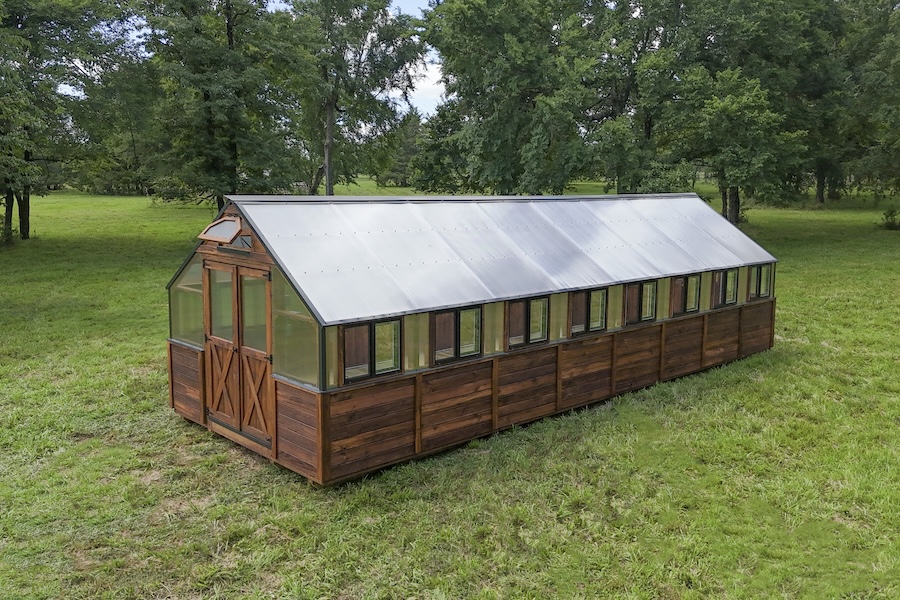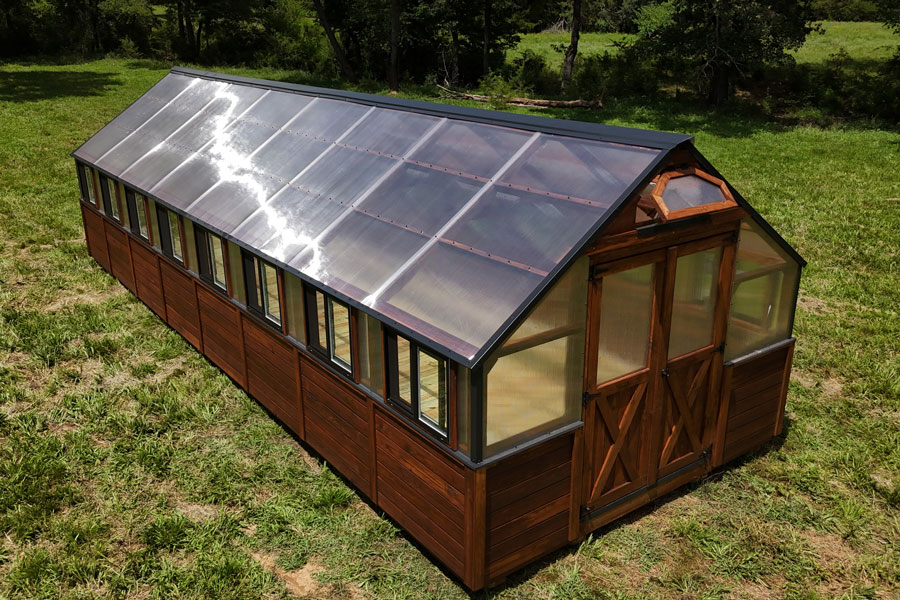
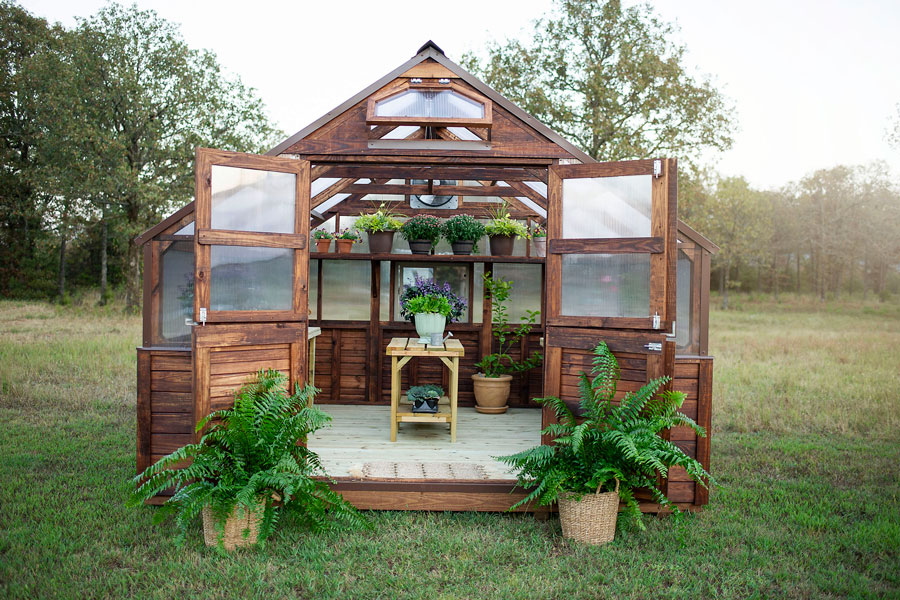
Where to Put a Greenhouse in Your Backyard
A Practical Guide to Sunlight, Placement, and Creating a Space You’ll Love
It’s one of the first and most important decisions you’ll make when planning a greenhouse.
Where should you put a greenhouse in your backyard?
It might seem simple at first. Find a flat spot, set it up, and start growing.
But greenhouse placement affects everything:
- how much your plants produce
- how easy it is to care for them
- how often you actually use your greenhouse
The right location doesn’t just help plants thrive, it creates a space you’ll find yourself drawn to day after day.

Why Greenhouse Placement Matters
A greenhouse creates a controlled growing environment, but it still depends heavily on its surroundings.
Where you place it determines:
- how much sunlight your plants receive
- how warm it stays in cooler months
- how easy it is to manage airflow and watering
- how often you’ll walk out and use it
Even the most beautifully built greenhouse won’t perform well if it’s placed in too much shade or in a hard-to-reach area.
Many people reach this stage in the process while they’re still deciding if a greenhouse is the right fit for their space. And one of the most common things we hear is how much easier everything feels once they can actually picture where it will go, not just in their yard, but in their everyday routine.
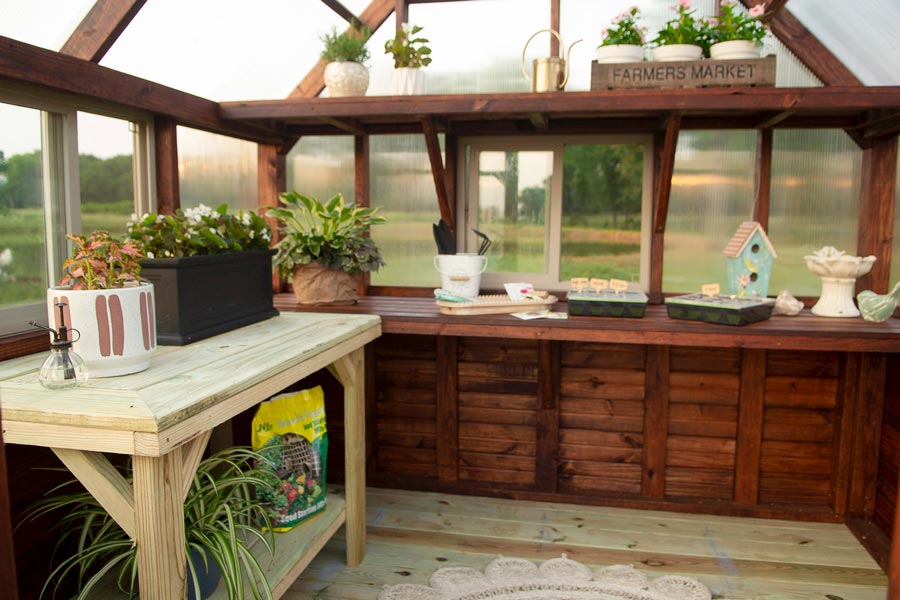
How Much Sunlight Does a Greenhouse Need?
Most plants grown in a greenhouse need at least 6–8 hours of direct sunlight per day.
Sunlight is what drives growth, flowering, and production.
The more consistent sunlight your greenhouse receives, the more successful your growing season will be.
When choosing where to put a greenhouse, look for:
- open areas with full sun
- minimal shade from trees or buildings
- consistent light throughout the day
Morning sun is especially valuable because it helps warm the greenhouse early and reduces moisture buildup from overnight condensation.

The Best Direction to Face a Greenhouse
Orientation plays a bigger role than most people expect when deciding where to put a greenhouse.
For most backyard greenhouses, the goal is simple: capture as much sunlight as possible throughout the day — especially in cooler months
South-facing exposure (most recommended)
A greenhouse that receives strong southern exposure will typically perform best, particularly in the fall, winter, and early spring when sunlight is more limited.
Positioning your greenhouse so the longest side faces south allows it to:
- capture more consistent sunlight
- warm up earlier in the day
- stay warmer longer into the evening
- support stronger plant growth during shoulder seasons
This becomes especially important for gardeners who want to extend their growing season or start seeds earlier in the year.
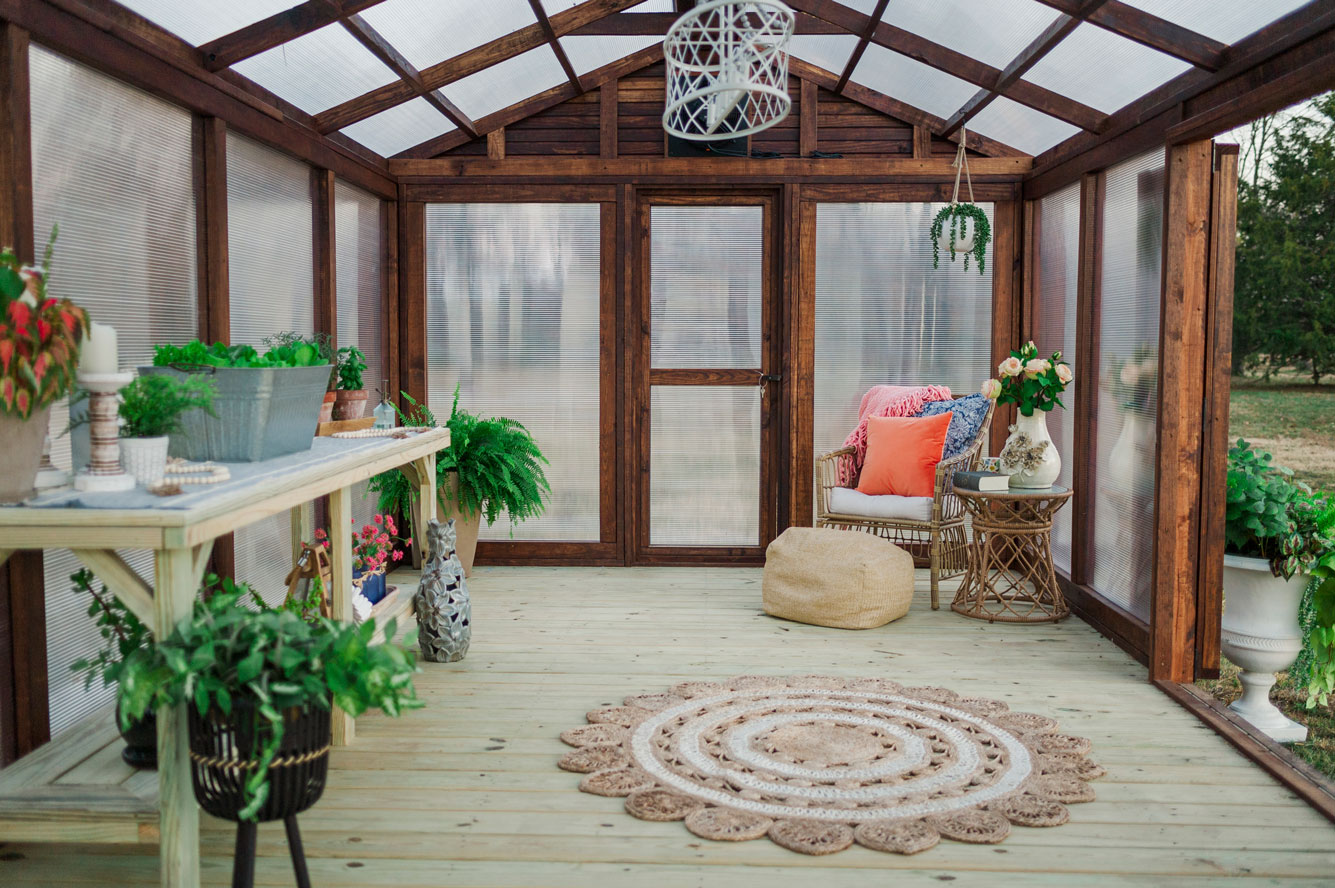
East–West vs North–South
Many backyard greenhouses are positioned so the long side faces south (east–west orientation) to maximize sun exposure.
In some layouts, a north–south orientation can still work well, especially if it allows better airflow or fits the space more naturally and works with your home.
In the end, the best placement is the one that gives your greenhouse the most consistent, unobstructed sunlight throughout the day. I am in Zone 7b, and I have a North-South orientation and it works beautifully for growing and in my landscaping.
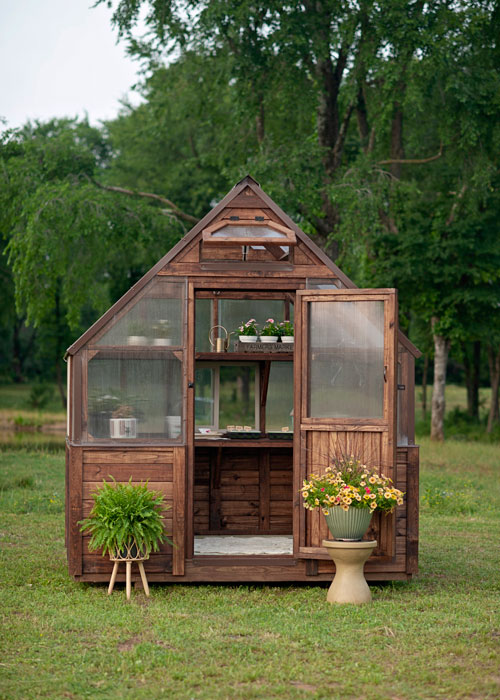
Avoiding Shade and Obstacles
It’s easy to underestimate how much shade affects a greenhouse.
Trees, fences, and even your home can block critical sunlight — especially in winter when the sun is lower.
When evaluating your space, watch for:
- large trees that cast afternoon shade
- buildings that block southern exposure
- seasonal shade changes (winter vs summer)
A spot that looks sunny in summer may not receive enough light in early spring or late fall right when your greenhouse is working hardest.
Drainage and Ground Conditions
A greenhouse should never sit in an area where water collects.
Poor drainage can lead to:
- standing water
- muddy walkways
- root issues for plants
- long-term structural problems
Look for:
- slightly elevated ground
- well-draining soil
- areas that stay dry after heavy rain
If needed, many gardeners improve drainage with:
- gravel bases
- simple grading adjustments
Accessibility and Daily Use
This is the part many people overlook.
The best greenhouse location isn’t just about plants — it’s about you.
If your greenhouse is:
- too far from the house
- difficult to access in bad weather
- disconnected from your daily routine
You’re less likely to use it consistently.
The best locations are:
- visible from your home
- easy to walk to
- near a water source
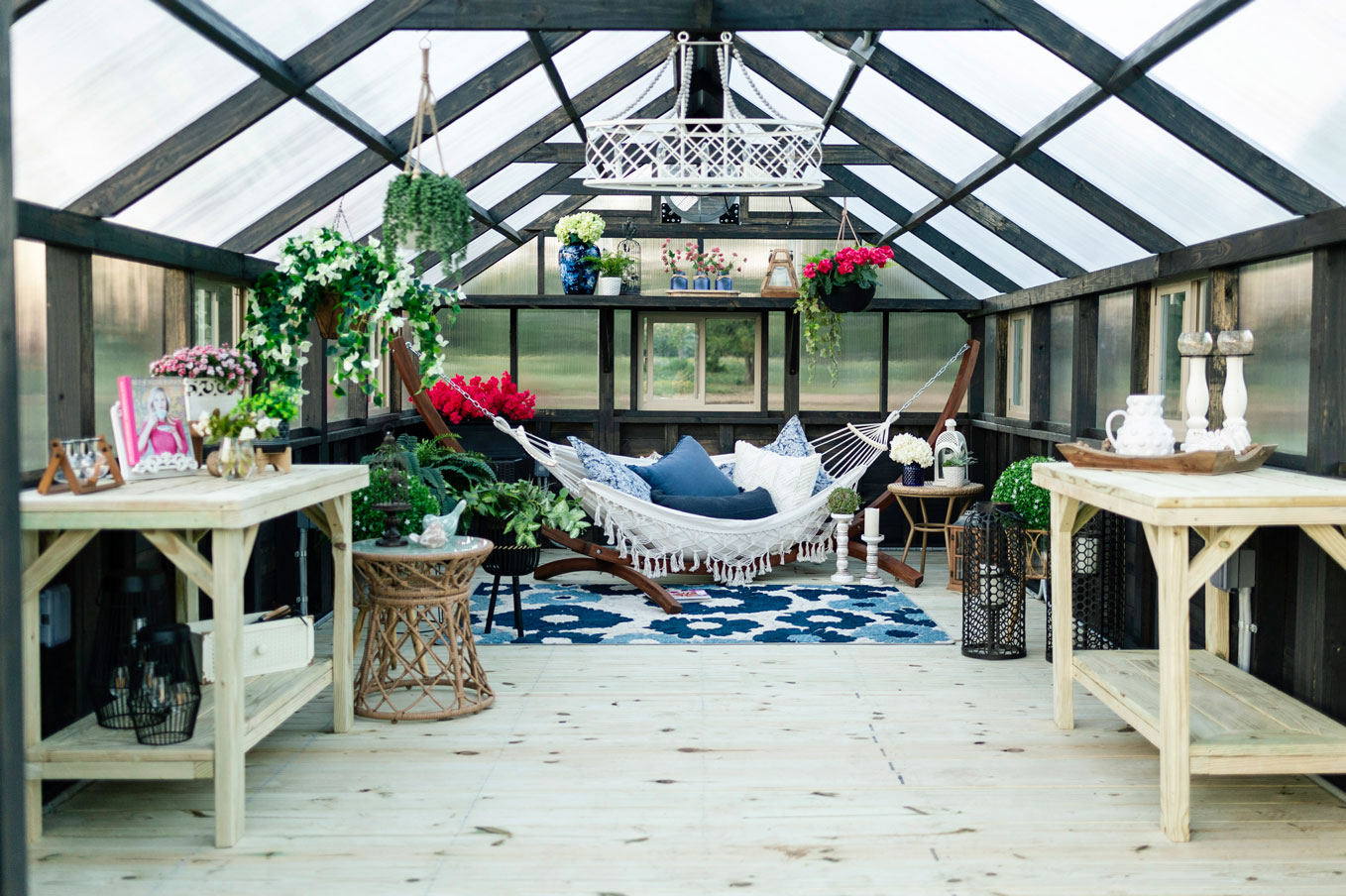
Many greenhouse owners find that when their greenhouse is close by, they naturally step into it more often, even just for a few quiet minutes.
If you’ve been walking your yard and starting to picture where a greenhouse might fit, that’s usually the point where things begin to feel a little more real. A lot of our customers say this is when the idea shifts from something they’ve thought about for years…to something they’re ready to move forward on.
What We’ve Learned From Our Own Greenhouse
When we placed our own greenhouse, we thought we had the perfect spot right away.
But after spending time in the yard and watching where the sun moved throughout the day, we realized just a small shift in placement made a big difference.
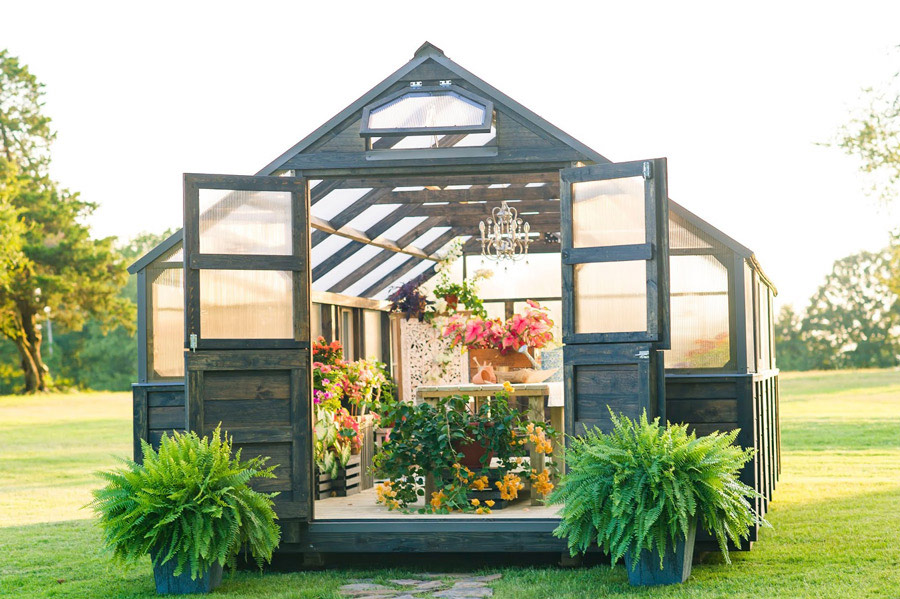
We chose a location with strong southern exposure and open sky from morning through late afternoon.
And it changed everything.
Even in the cooler months, the greenhouse warms up quickly as the sun comes in, and the light stays consistent throughout the day.
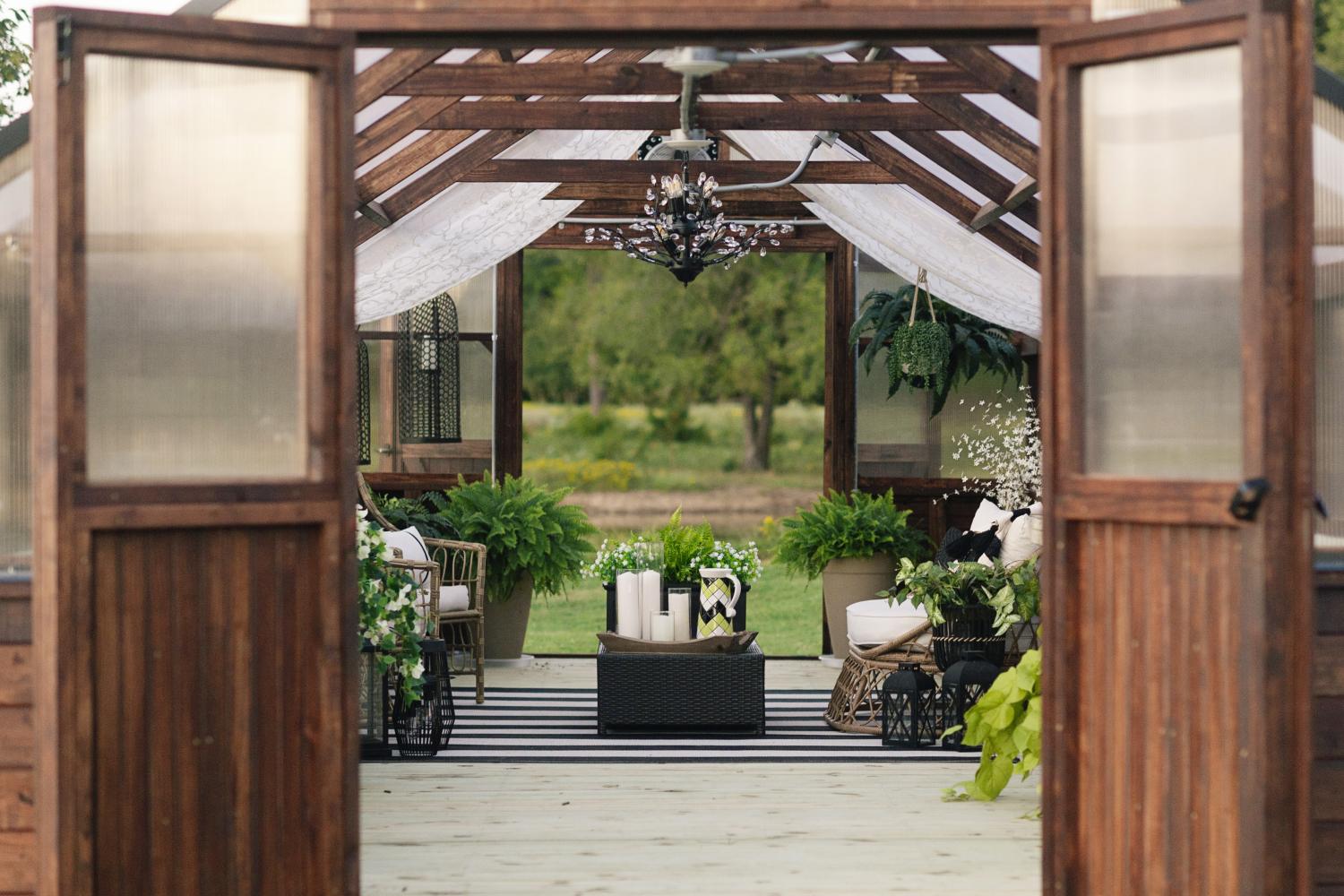
It’s also positioned where we see it daily, which may not sound like a big detail, but it is.
Because the more visible and accessible your greenhouse is, the more you naturally step into it.
Sometimes it’s to water plants.
Sometimes it’s just to check on seedlings.
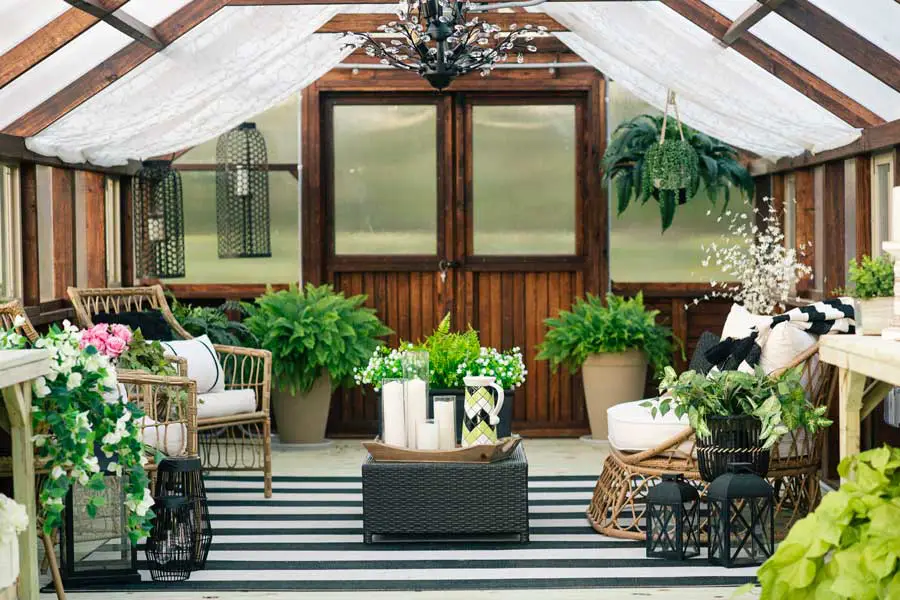
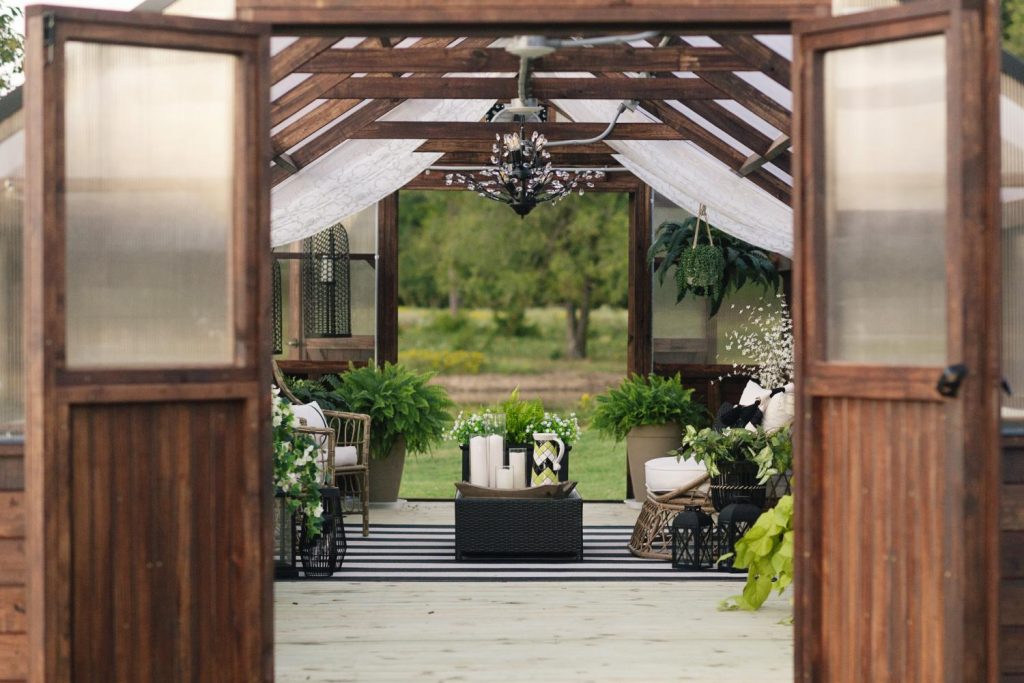
And sometimes it’s just a quiet place to stand for a few minutes and reset.
Looking back, placement wasn’t just about sunlight.
It was about creating a space we actually use every single day.
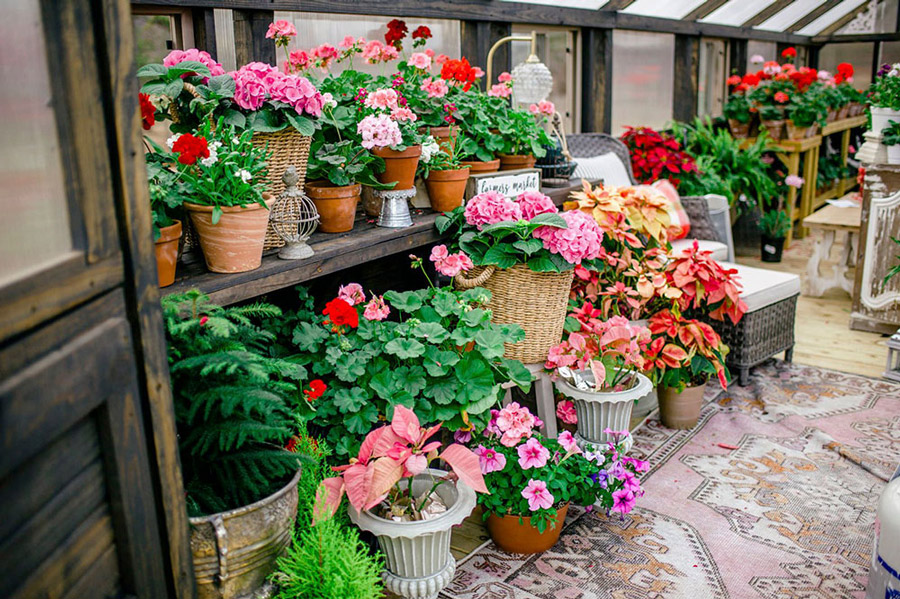
Choosing the right spot for your greenhouse starts as a practical walk through the yard and noticing where the morning sun hits, how afternoon shadows stretch, and which patches of ground stay dry after a rain. But as you begin to picture the light hitting the panels and the rows of green inside, the decision becomes something more. It marks the place where a new chapter of your gardening life begins. Once it’s settled into your landscape and becomes a permanent fixture of your daily view, you’ll find it hard to remember what your backyard ever looked like without it.