How to Control Humidity in a Greenhouse: 7 FAQs
If you’ve spent much time researching greenhouse gardening, you’ve probably come across plenty of advice about humidity. What percentage should it be? Is condensation bad? Do you need a humidity monitor? And what happens if the humidity gets too high?
But, ultimately, how to control humidity in a greenhouse.
Before you start worrying about one more thing to manage in your greenhouse, let me share something.
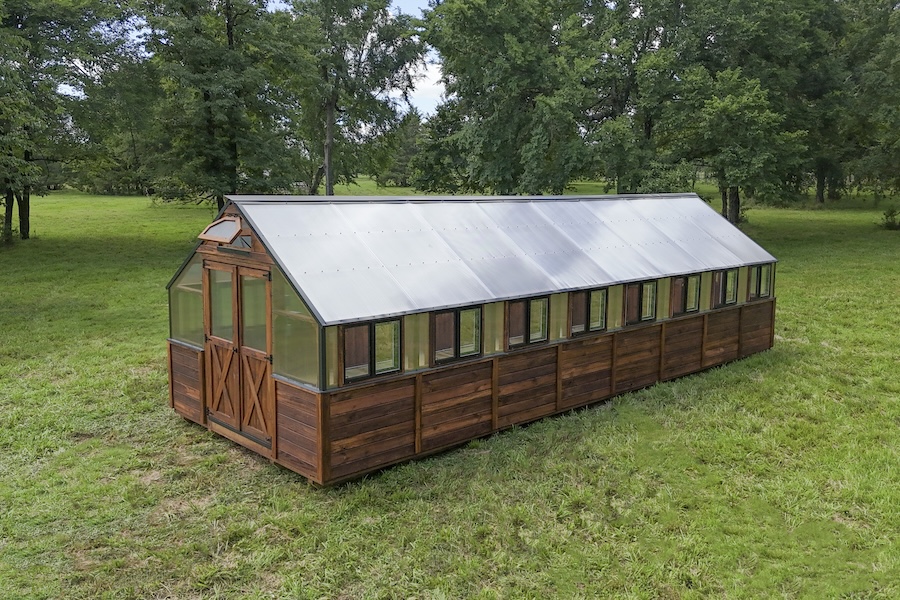
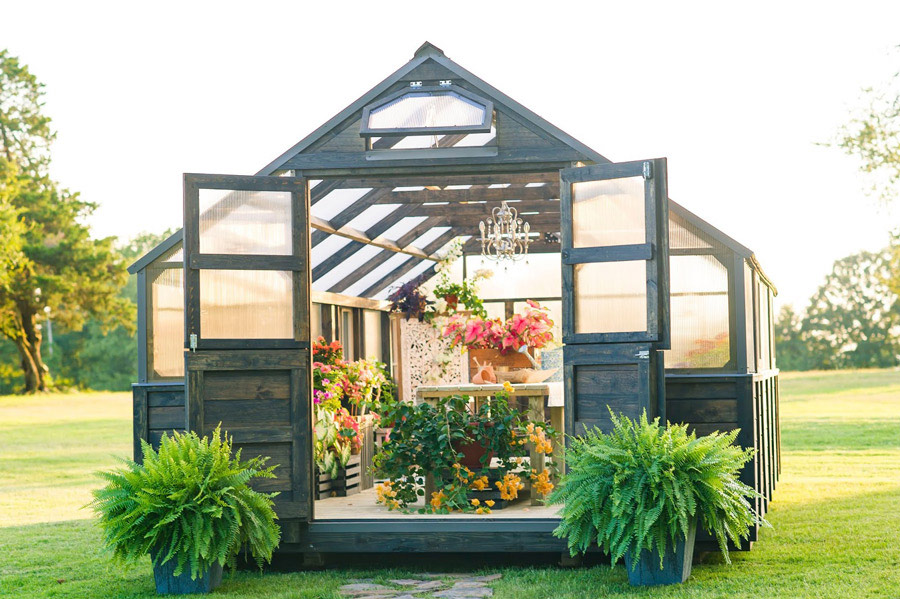
I’ve been growing in my own Yoderbilt Greenhouse here in Arkansas, Zone 7b, for over seven years, and I don’t routinely monitor my humidity levels.
Not because humidity isn’t important. It certainly can be. But I’ve learned that greenhouse gardening doesn’t have to be nearly as complicated as we sometimes make it. I pay attention to my plants, make sure there’s adequate airflow, adjust my watering as needed, and respond when something doesn’t look quite right. And for my greenhouse, that approach has worked beautifully.
Of course, every greenhouse is different. Your climate, the plants you’re growing, and the season all influence humidity levels. Some growers will need to monitor humidity more closely than others. So, let’s answer seven of the most common questions about greenhouse humidity and how to control humidity in a greenhouse without making this more complicated than it needs to be.
1. What Is the Ideal Humidity Level in a Greenhouse?
The ideal humidity level depends on what you’re growing, but for many common greenhouse plants, 50–70% relative humidity is a reasonable general range.
That doesn’t mean your greenhouse needs to stay at exactly 60% all day long.
Humidity naturally changes as temperatures rise and fall, plants release moisture, and outdoor conditions change.
For example:
- Tomatoes and peppers generally benefit from moderate humidity and good airflow.
- Lettuce and other leafy greens appreciate adequate moisture but can develop problems when foliage stays wet.
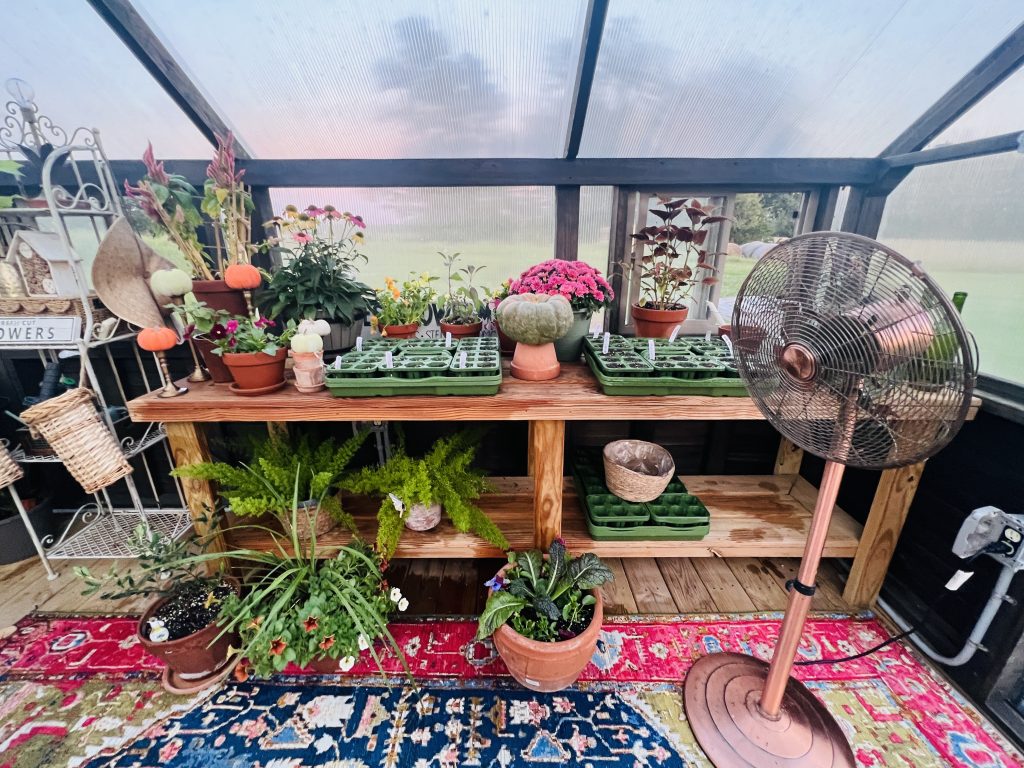
- Ferns and many tropical plants prefer more humid conditions.
- Seedlings and newly rooted cuttings may benefit from higher humidity during their earliest stages.
In other words, there’s no single perfect number for every plant.
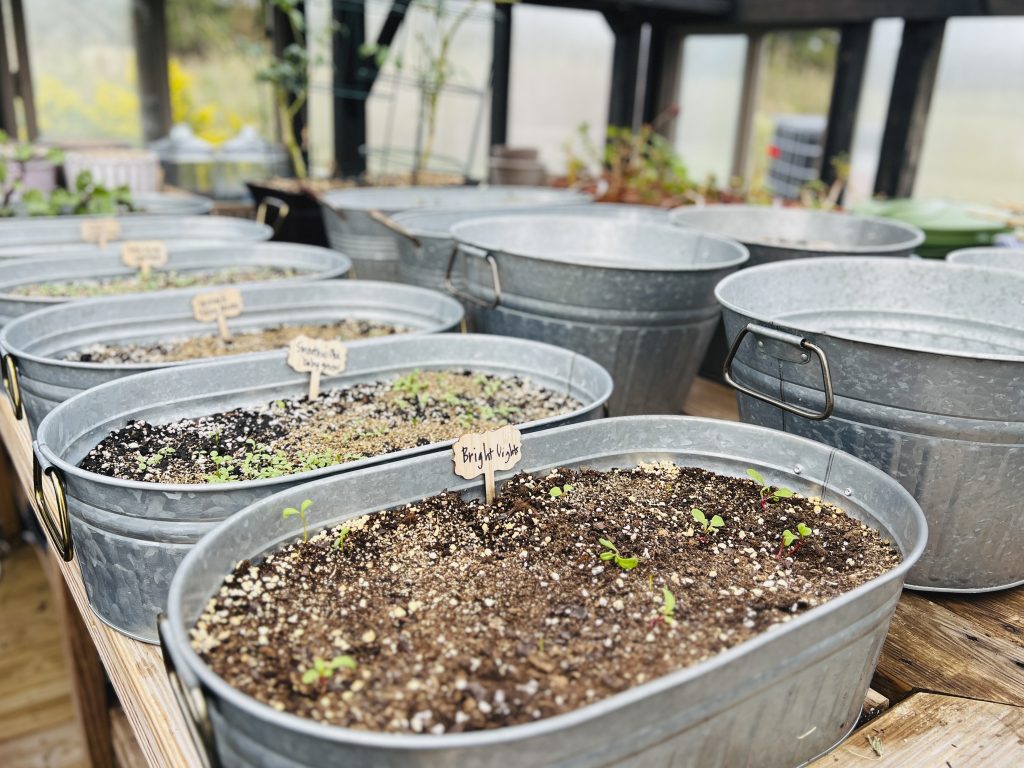
Maintaining consistent moisture around young seedlings can help support healthy root development.
If your plants are healthy, growing well, and showing no signs of moisture-related problems, there’s usually no reason to become overly concerned about normal fluctuations.
For a more technical explanation of greenhouse humidity ranges and how to control humidity in a greenhouse, the Washington State University Extension greenhouse guide is an excellent resource.
2. Why Is My Greenhouse So Humid?
A greenhouse naturally creates an environment where moisture can accumulate. Plants release water vapor into the air through a process called transpiration. Moisture also evaporates from potting soil, containers, and other damp surfaces.
Because a greenhouse is an enclosed growing space, some of that moisture can remain inside, particularly when doors and windows are closed.
Several everyday conditions can contribute to higher humidity:
- Watering plants, especially when foliage or surrounding surfaces become wet.
- Having a greenhouse full of actively growing plants.
- Closing doors and windows during cooler weather.
- Experiencing rainy or naturally humid outdoor conditions.
- Temperature drops in the evening and overnight.
Here in Arkansas, we’re certainly no strangers to humidity! But remember, higher humidity isn’t automatically a problem. It’s prolonged excess moisture, poor airflow, and consistently wet plant surfaces that deserve our attention in learning how to control humidity in a greenhouse.
3. How Do I Lower Humidity in My Greenhouse?
The good news is that reducing excess greenhouse humidity often requires nothing more than a few simple adjustments.
Improve airflow. Open doors or windows when outdoor conditions allow. Fresh air helps exchange the moisture accumulating inside your greenhouse.
Use your ventilation system. Exhaust fans and vents can help remove warm, humid air. If your greenhouse has automatic vents, they’re particularly convenient for responding to temperature changes, although they don’t directly measure humidity.
Adjust your watering habits. Water when your plants need it rather than following a rigid schedule. Watering earlier in the day can also give wet foliage time to dry before evening.
Give plants some breathing room. Plants packed tightly together can trap moisture around their leaves. A little spacing improves circulation.
Watch for standing water. Empty unnecessary water-filled trays and address persistent puddles or drainage problems.
That’s really where I would start. You don’t necessarily need a dehumidifier or an elaborate monitoring system. In many backyard greenhouses, good ventilation and sensible watering habits go a long way.
For additional practical information, see the University of Massachusetts Extension guide to reducing greenhouse humidity.

An exhaust fan helps remove warm, humid air, creating a more balanced growing environment inside this 8×16 Yoderbilt Legacy Greenhouse.
4. Is Condensation Normal in a Greenhouse?
Yes! Some condensation is perfectly normal, especially when temperatures change.
You might notice moisture collecting on greenhouse panels early in the morning or during cooler weather.
Here’s what’s happening.
Warm air can contain more water vapor than cooler air. When that moist air comes into contact with a sufficiently cool surface, some of the moisture condenses into water droplets. It’s similar to the condensation that forms on the outside of a cold glass of iced tea on a warm summer day. A little condensation doesn’t necessarily mean anything is wrong.
What deserves more attention is persistent, heavy condensation, particularly when it drips onto plants or leaves foliage wet for long periods.
If you’re regularly noticing heavy condensation, try improving airflow, watering earlier, and checking for unnecessary sources of moisture.
The goal isn’t to eliminate every drop of condensation. It’s to prevent conditions that encourage plant disease.
5. How Do I Control Humidity in a Greenhouse in Winter?
Winter greenhouse gardening presents a slightly different challenge.
We want to retain warmth inside the greenhouse, but keeping everything tightly closed can also allow moisture to build up.
And because colder surfaces encourage condensation, you may notice more moisture collecting inside during winter.
The solution is finding a reasonable balance between warmth and ventilation.
On milder days, briefly opening a door or window can help exchange humid indoor air for fresh outdoor air.
A small circulation fan may also help prevent stagnant pockets of moisture around plants, although circulating air alone doesn’t remove water vapor from the greenhouse.
-
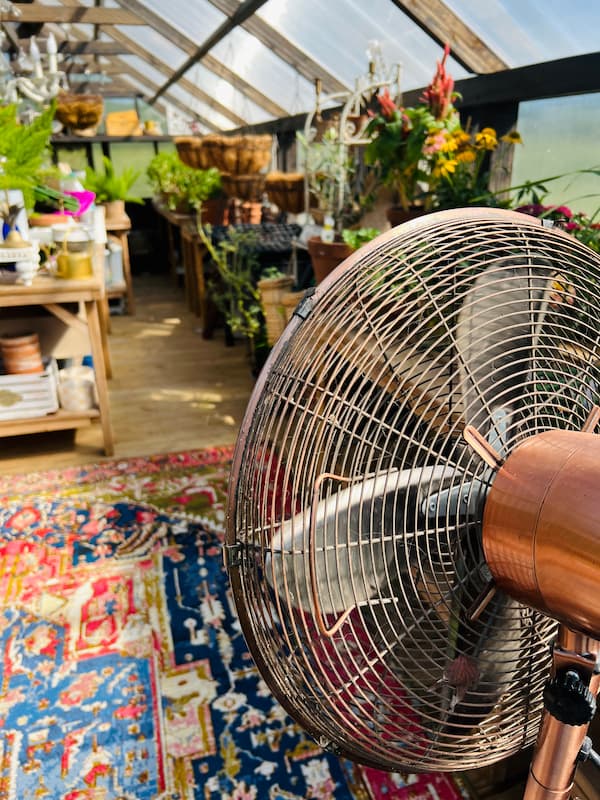
- Gentle air movement around plants can help prevent moisture from lingering on foliage and reduce conditions favorable to fungal diseases.
-
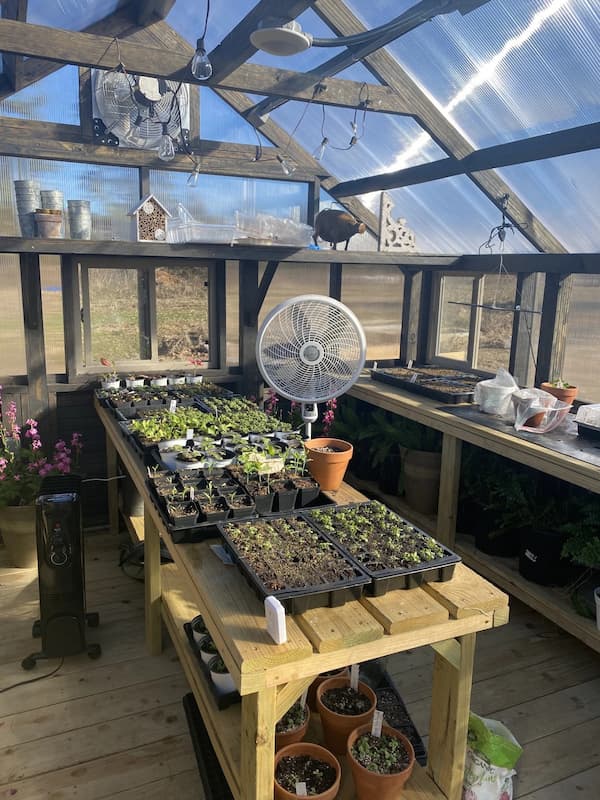
- Heating and ventilation can work together to maintain a healthy growing environment during the colder months.
If you heat your greenhouse, ventilation needs to be managed carefully so you’re not unnecessarily losing heat or exposing plants to damaging cold.
I personally grow throughout the winter in my Yoderbilt Greenhouse, and I find that paying attention to my plants and adjusting my routine with the weather is much more helpful than trying to maintain perfectly identical conditions every day. It simply has not been a problem for me personally.
One important reminder: If you’re using a fuel-burning heater, always follow the manufacturer’s ventilation and carbon monoxide safety requirements. A greenhouse should never be sealed in a way that makes heating equipment unsafe.
6. Can Greenhouse Humidity Be Too Low?
Absolutely.
We often hear about the problems associated with too much humidity, but excessively dry air can create challenges, too. Plants naturally release moisture through their leaves. When the surrounding air is very dry, they can lose water faster than their roots can replace it.
Depending on the plant, you might notice wilting, dry leaf edges, or increased watering needs.
This can be particularly important for tropical plants, ferns, young seedlings, and certain plants being propagated.
But again, the solution depends on what you’re growing. A greenhouse filled with established tomatoes and peppers has different humidity needs than one filled with tropical houseplants or delicate cuttings.
If your plants are showing signs of excessive dryness, start by checking soil moisture, watering practices, airflow, and temperature before assuming humidity is the cause.
A simple humidity monitor can be helpful if you’re trying to determine what’s happening.
7. Do I Really Need a Humidity Monitor in My Greenhouse?
Here’s where I’ll share my personal experience again.
I don’t routinely monitor humidity in my greenhouse, and I haven’t had humidity-related problems that required me to.
That doesn’t mean I would discourage anyone from using a monitor. They’re inexpensive, easy to use, and can provide helpful information, especially if you’re new to greenhouse gardening.
In fact, many digital greenhouse thermometers also display relative humidity, so you may already have the information available.
Monitoring can be particularly useful if you’re:
- Growing plants with specific humidity requirements.
- Propagating delicate seedlings or cuttings.
- Experiencing recurring condensation, mold, or mildew.
- Keeping your greenhouse closed for extended periods during winter.
- Trying to troubleshoot a plant health problem.
But if you’re successfully growing vegetables, herbs, and flowers without humidity-related issues, there’s no reason to assume you need to begin checking another number multiple times a day.
My approach has always been to learn what my plants need and adjust as I go. And that’s one of the things I enjoy most about greenhouse gardening. Every season teaches you something new.
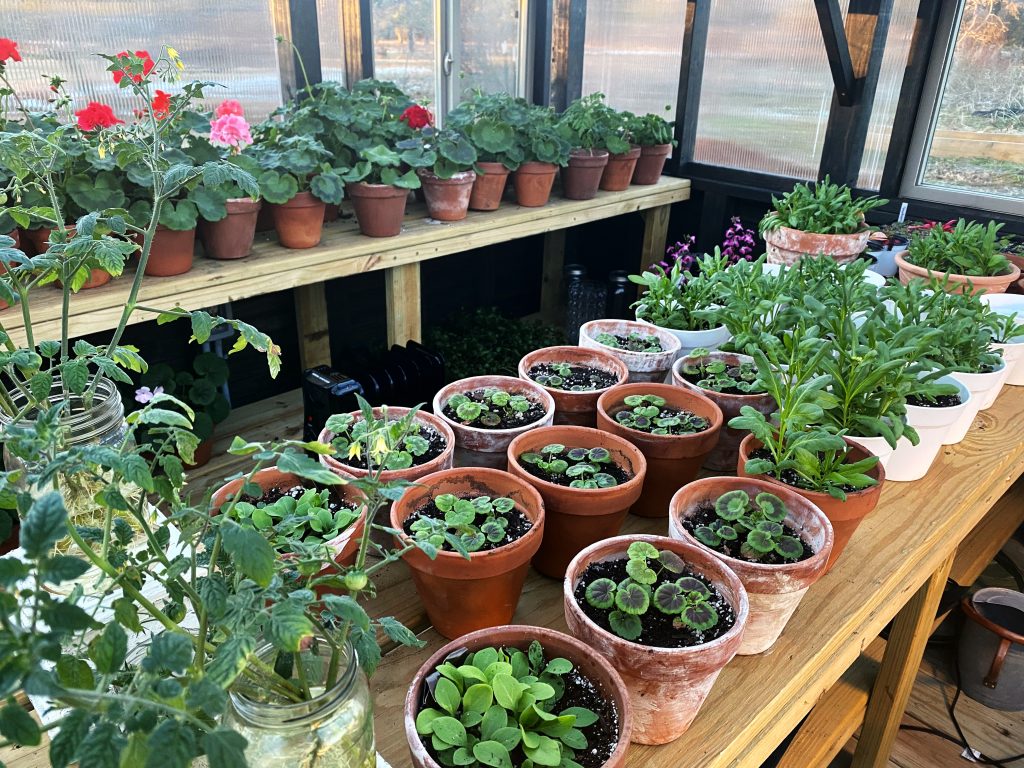
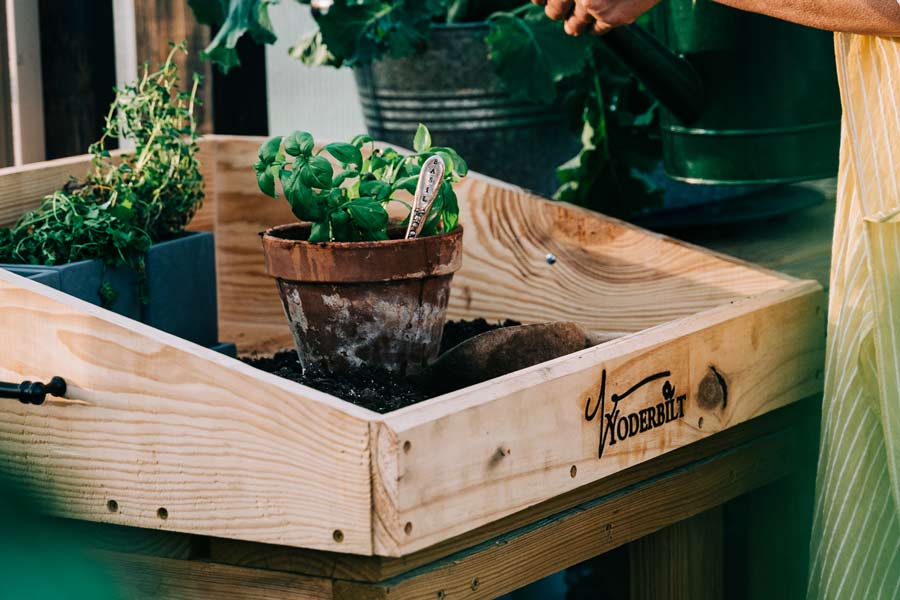
As seedlings mature, their moisture and humidity needs change, making it important to adjust growing conditions throughout their development.
The Bottom Line: Greenhouse Humidity Doesn’t Have to Be Complicated
If there’s one thing I hope you take away from this article, it’s that successful greenhouse gardening isn’t about controlling every little variable perfectly.
It’s about understanding the basics, observing your plants, and developing a growing routine that works for you.
Humidity is simply one part of the greenhouse environment. It changes naturally with the weather, temperature, watering, and even the number of plants you’re growing.
Good airflow, thoughtful watering, and a little observation will help you manage many common humidity concerns.
And if you discover that your greenhouse needs more attention in this area, there are plenty of simple tools and adjustments available.
Don’t let the technical side of greenhouse gardening take away from the enjoyment of it because you are so focused on how to control humidity in a greenhouse.
After all, we’re growing plants, learning as we go, and hopefully harvesting plenty of fresh food along the way.
Looking for more greenhouse gardening tips and inspiration? Explore our Yoderbilt Greenhouse blog for more helpful resources throughout every growing season.
Happy growing!
Shannon