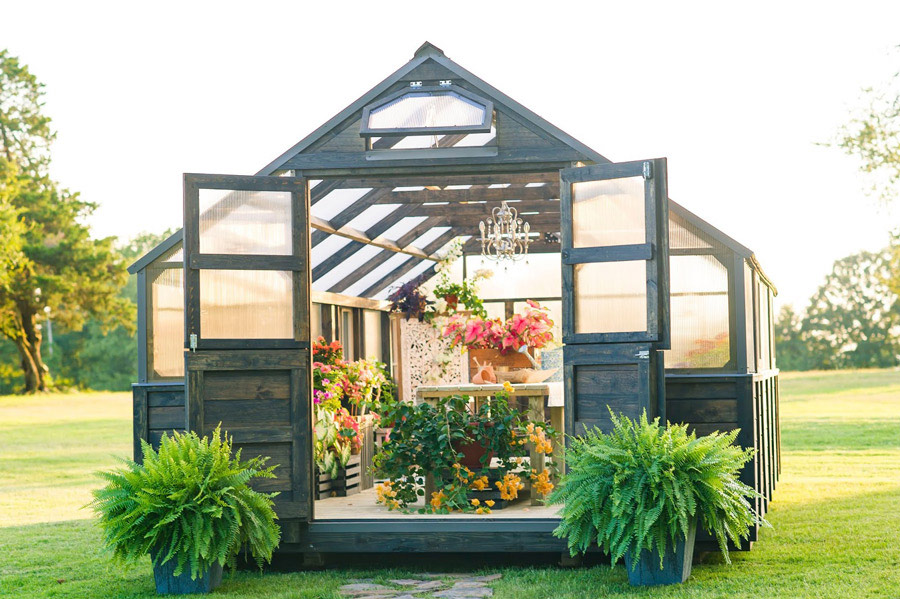
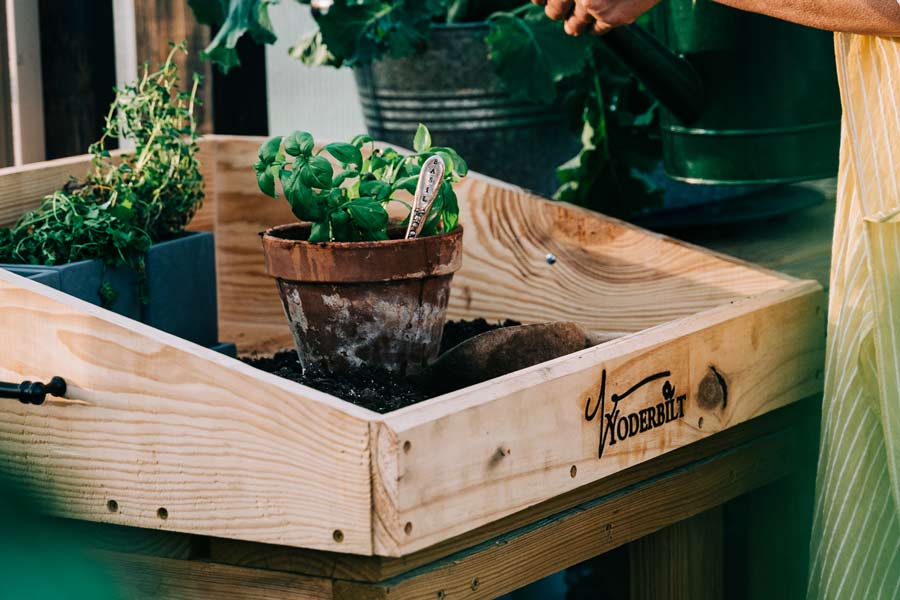
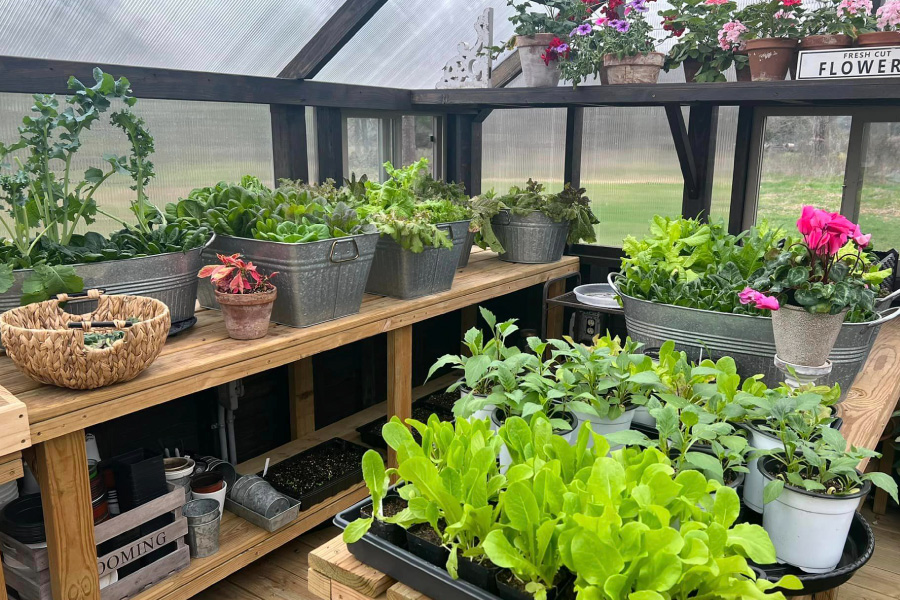

The Greenhouse Kitchen Garden: How to Grow Your Own Food in a Greenhouse
There is something incredibly satisfying about walking into your greenhouse and coming back to the kitchen with something you can actually use.
A handful of fresh herbs for dinner. Lettuce for a salad. Greens to add to an omelet. Maybe seedlings that will eventually become the tomatoes, peppers and cucumbers you eat all summer.
Over time, that has become one of my favorite ways to think about my greenhouse—not simply as a place where I grow plants, but as an extension of my kitchen.
I call it my Greenhouse Kitchen Garden.
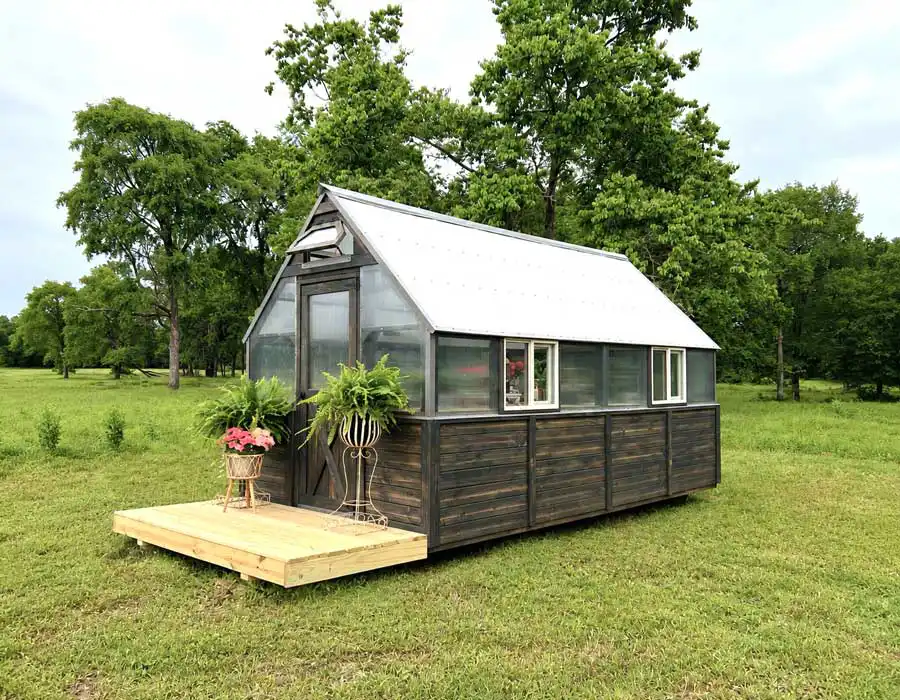
If you want to grow your own food in a greenhouse, the possibilities go far beyond a traditional summer vegetable garden. A greenhouse can extend your harvest later into fall and winter, give you a jumpstart on spring, protect plants from unpredictable weather and create a dedicated space for growing more of the foods you actually use.
And you don't have to grow everything.
That's probably one of the biggest things I've learned through my own greenhouse journey. A Greenhouse Kitchen Garden isn't about becoming completely self-sufficient overnight. It's about looking at what your family actually eats and asking a much simpler question:
What could I grow here instead?
What Is a Greenhouse Kitchen Garden?
A traditional kitchen garden is usually planted close to the house and filled with vegetables, herbs and fruits meant to be harvested and used in everyday meals.
A Greenhouse Kitchen Garden takes that same idea and brings at least part of it under cover.
The goal is simple: use your greenhouse intentionally to grow food for your kitchen while taking advantage of the protected environment and extended growing season a greenhouse can provide.
That might mean growing lettuce and herbs during the cooler months, keeping fresh greens going after the outdoor garden has slowed down, starting tomatoes and peppers before it's warm enough to plant them outdoors or protecting young plants from weather that doesn't always pay attention to the calendar.
For me, it has also changed the way I decide what to plant.
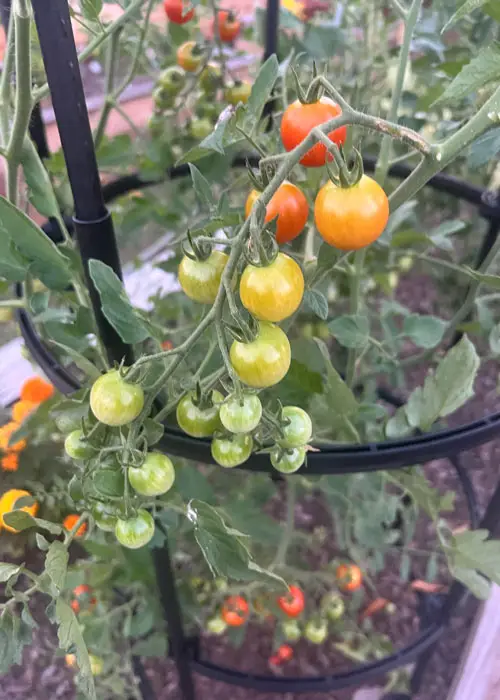
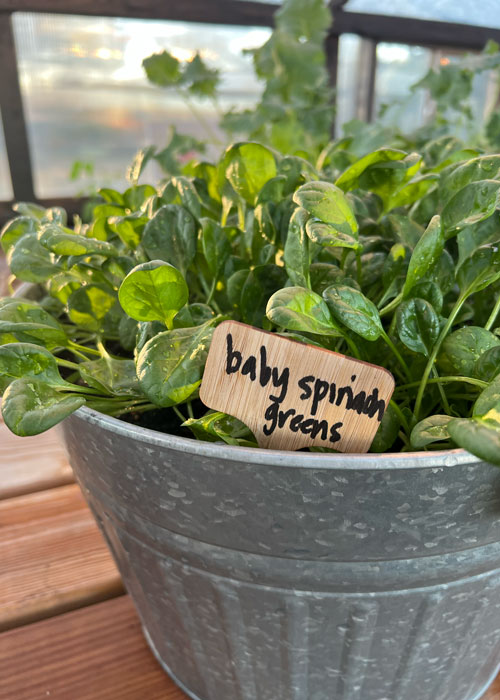
Instead of growing something simply because I can, I find myself thinking about what I actually want to cook. Fresh herbs for eggs and roasted vegetables. Greens for salads and sandwiches. Vegetables for savory soups and hearty sides. Tomatoes, peppers and cucumbers for the meals we eat all summer.
It makes the greenhouse feel connected to our home in a completely different way.

Why a Greenhouse Changes the Kitchen Garden
My first Yoderbilt was a 12×16 greenhouse, and I learned so much in that space.
Over time, I realized I wasn't just using it to start flowers or keep plants protected. I was learning how to use a greenhouse through the seasons—what I could keep growing later into fall, what could tolerate the colder months, when I could begin starting seeds and just how much earlier I could get growing in spring.
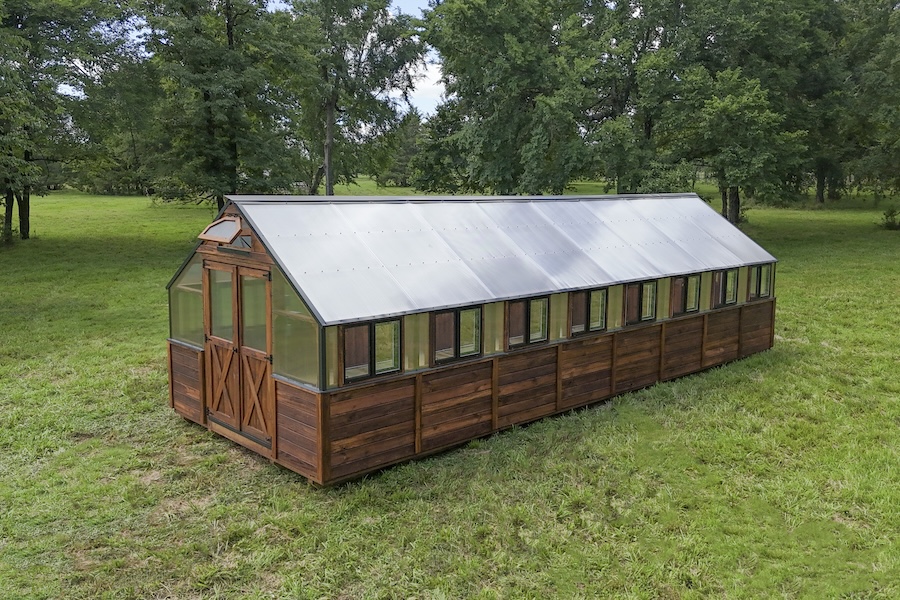
Eventually, I moved into my current 12×28 Yoderbilt Legacy greenhouse, which gave me even more room to experiment.
Living and gardening in Arkansas means my greenhouse changes dramatically throughout the year. Winters can be cold enough that I use supplemental heat when needed, while our summers can be brutally hot. By then, my 70% shade cloth becomes an important part of how I manage the space.
That seasonality has shaped the way I use my greenhouse.
I don't expect it to do exactly the same thing twelve months of the year. Instead, I let its purpose change with the seasons.
And for someone who wants to grow more of their own food, that may be where a greenhouse really shines.
It gives you more time.

What Can You Grow in a Greenhouse?
What you can successfully grow in a greenhouse depends on your climate, the season, your greenhouse setup and whether you're providing supplemental heat. But a Greenhouse Kitchen Garden can include many of the same foods you would grow in a traditional vegetable garden—and probably more than you might think.
Some of my favorite possibilities include:
- Lettuce and salad greens
- Spinach, kale and other leafy greens
- Full herb gardens with parsley, cilantro, dill, basil and more
- Green onions and radishes
- Carrots and potatoes
- Cabbage and broccoli
- Beans and peas
- Tomatoes
- Peppers
- Cucumbers
- Okra
- Vegetable and herb seedlings for the outdoor garden
And truly, the possibilities are almost endless.

The important part isn't trying to grow everything you possibly can. It's choosing what makes sense for your kitchen, your climate and the season you're growing in.
Maybe that's an entire herb garden just steps from your kitchen. Maybe it's potatoes, carrots, cabbage and broccoli through the cooler growing season. Maybe it's tomatoes, peppers, cucumbers, beans and okra as the weather warms. Or maybe your greenhouse becomes the place where nearly everything in your outdoor vegetable garden gets its start.
Once I started thinking about my greenhouse this way—not simply as a place to grow plants, but as a place to grow more of the food we actually eat—it became much more useful.

Growing Food in a Greenhouse From Fall Through Spring
One of the greatest benefits of growing food in a greenhouse is the ability to stretch the gardening calendar in both directions.
A traditional outdoor vegetable garden often has a fairly defined rhythm. You plant in spring, harvest through summer and eventually watch the garden wind down as temperatures begin to fall.
A greenhouse changes that rhythm.
As summer fades, I can begin transitioning toward vegetables and herbs that prefer cooler temperatures. Lettuce, spinach, kale, cabbage, broccoli, carrots and peas suddenly make more sense than the tomatoes, peppers, cucumbers and okra that dominated summer.
And these are foods that easily find their way into everyday meals.
Fresh greens become salads. Spinach and herbs get tossed into omelets. Parsley gets clipped for soups. Broccoli, carrots, potatoes and other cool-season vegetables become easy, hearty sides for dinner.
As temperatures continue to fall, the greenhouse provides another layer of protection from frost, wind and those sudden temperature swings that can bring an outdoor growing season to an abrupt end.
Then winter doesn't necessarily mean gardening stops.
Instead, the greenhouse simply moves into another phase.
And while winter crops are still growing, I can already begin thinking about spring.
That may be my favorite part of greenhouse gardening: there is almost always something next.
Fall becomes winter. Winter becomes seed-starting season. Seed-starting season becomes spring.
Instead of having one short window for growing food, you're continually moving from one growing season into the next.
What Can You Grow in a Greenhouse in Winter?
This is one of the most common questions we get from people considering a greenhouse:
Can you grow vegetables in a greenhouse during the winter?
Yes—but I think it's important to have realistic expectations about what winter greenhouse gardening actually looks like. Unless you're creating a fully heated and controlled growing environment, the goal isn't necessarily to recreate July in January. But, you can! Angela (Yoder) keeps her greenhouse very warm and toasty in comparison to mine so she can naturally grow more heat loving plants that I can. For me, I tend to grow with the season instead of constantly fighting against it. Cold-tolerant vegetables and herbs are generally more practical choices for a winter greenhouse than warm-season plants. Leafy greens are especially useful because you're harvesting the plant itself rather than waiting for it to flower, pollinate and produce fruit.
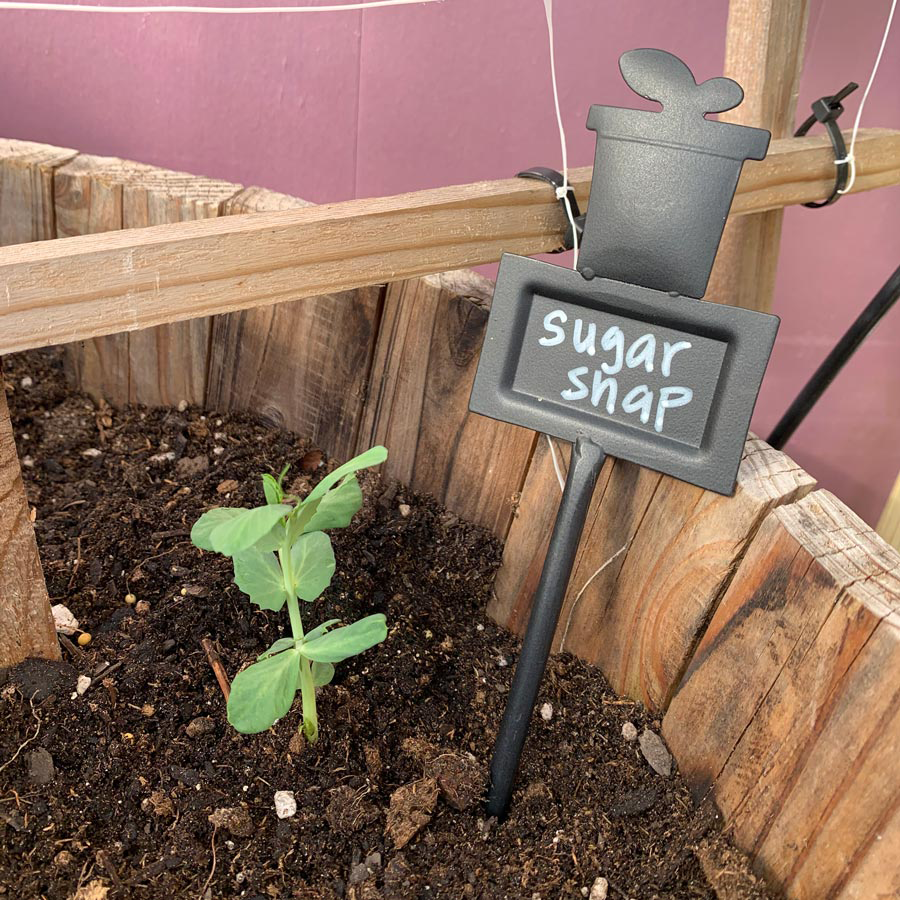
Lettuce, spinach, kale and certain herbs can turn a winter greenhouse into a true kitchen garden. Depending on your growing conditions, you can also experiment with cool-season favorites such as carrots, radishes, green onions, peas, cabbage and broccoli.
Exactly what you can grow will depend on where you live, the temperatures inside your greenhouse, the amount of winter sunlight you receive and whether you use supplemental heat.
Here in Arkansas, I do use supplemental heat when necessary. The goal isn't to make my greenhouse tropical. It's to provide the conditions the plants I'm growing need and protect them when temperatures become too cold.
There is something especially rewarding about walking through the yard in December and coming back inside with something green that you grew yourself.
That's one of those moments when the idea of a Greenhouse Kitchen Garden really makes sense.

Get a Jumpstart on Spring With a Greenhouse
Then comes one of my favorite transitions of the entire gardening year.
Seed starting.
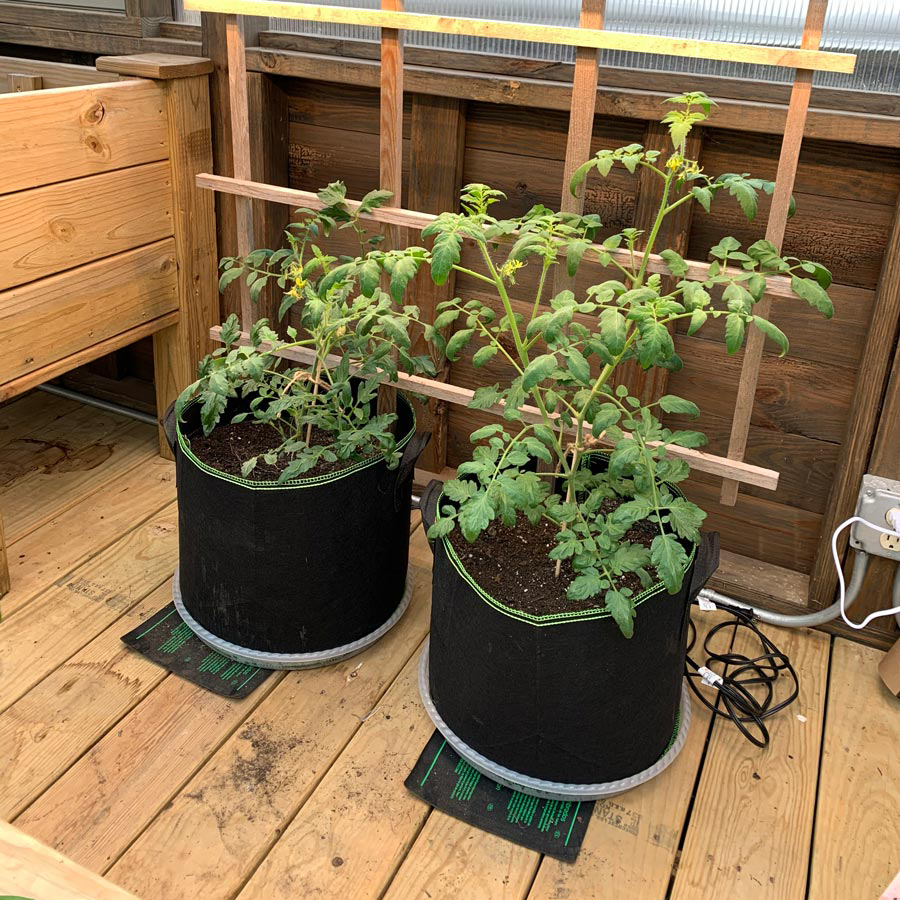
While cool-season crops may still be growing, I'm already thinking about tomatoes, peppers, cucumbers, beans, herbs, okra and everything else I want growing once warm weather arrives.
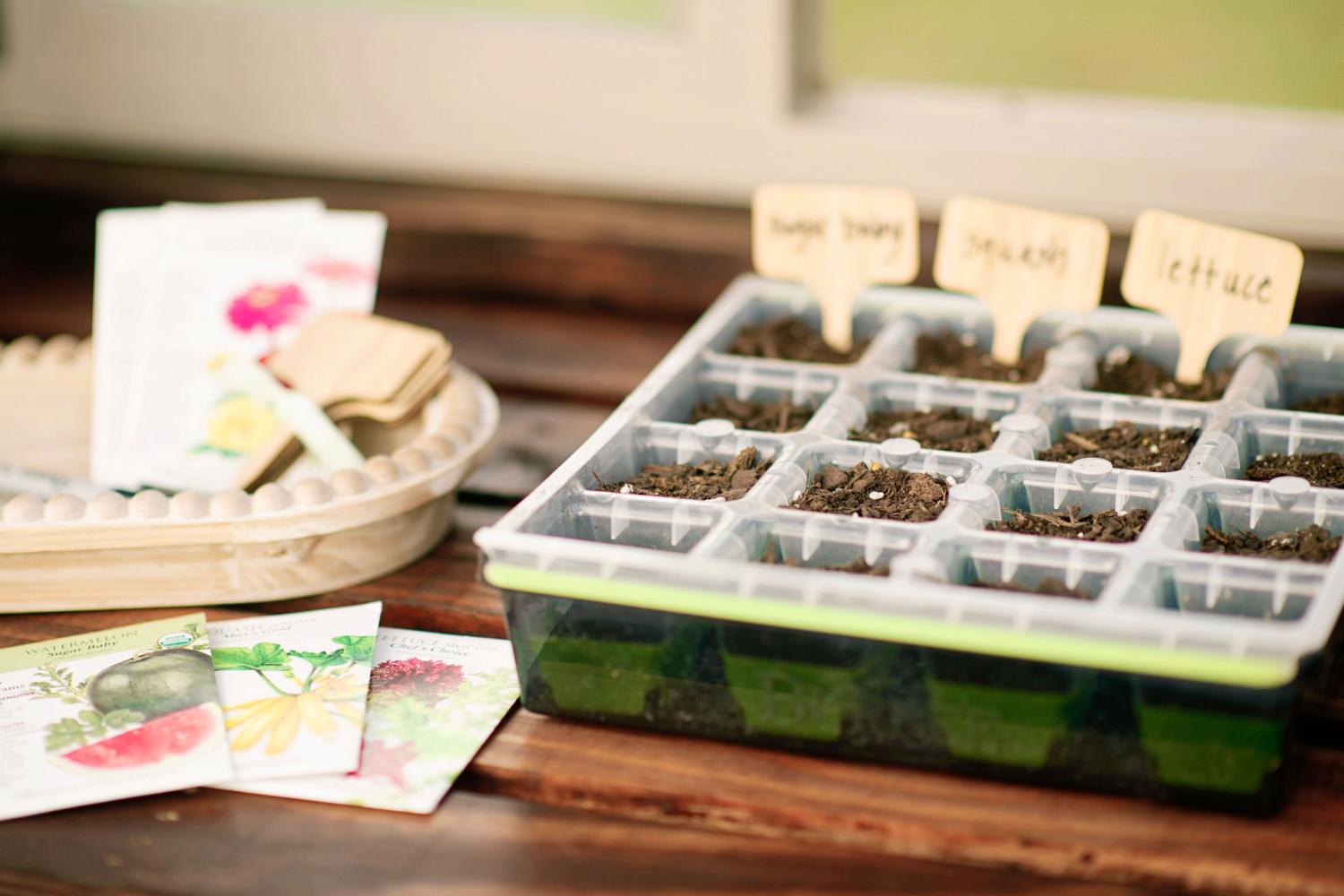
Starting seeds in a greenhouse can give you a valuable jumpstart on the spring growing season. Instead of waiting until outdoor conditions are warm enough to plant, you can begin growing seedlings in a protected environment and have established plants ready when planting time arrives.
This is also where I think a greenhouse becomes much bigger than whatever is currently growing within its walls.
It becomes the starting point for your entire outdoor kitchen garden.
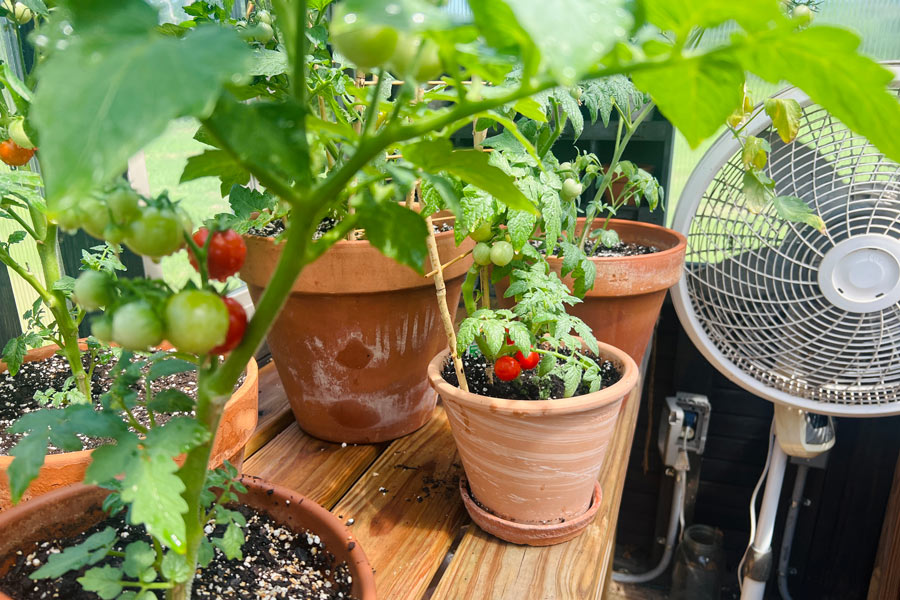
A tiny tomato seed started in the greenhouse in late winter can eventually become a huge plant producing tomatoes outside all summer.
Peppers can be well underway before the outdoor garden is ready for them. Cucumbers, beans and okra can follow as temperatures warm. Herbs can already be growing before you would normally think about planting them outside.
And the same greenhouse that helped you keep fresh food growing through the cooler months is now helping you prepare for an entirely new season.
For me, getting that jumpstart on spring is every bit as valuable as extending the growing season into winter.
The greenhouse stretches the season from both ends.
And suddenly, instead of waiting for gardening season to arrive, you're already in it.
Grow What You Actually Eat
This may be the most important lesson I've learned about creating a Greenhouse Kitchen Garden:
Don't begin with a giant list of everything that can grow in a greenhouse.
Begin in your refrigerator.
What vegetables does your family buy every week?
Which herbs do you repeatedly purchase only to use half the package before the rest goes bad?
What meals appear regularly on your table?
If your family eats eggs frequently, grow herbs and greens you can toss into omelets.
If you make a lot of savory soups, grow parsley, green onions, kale, carrots or other vegetables you can harvest and add as you cook.
If salads are a staple, prioritize lettuce, spinach and other fresh greens.
If your family loves roasted vegetables and hearty sides, potatoes, carrots, broccoli, cabbage, beans and peas suddenly have a place in the plan.
And if summer dinners revolve around tomatoes, cucumbers, peppers and okra, use your greenhouse to get those plants started early and help extend the growing season.
That's where the idea of growing your own food at home becomes much less overwhelming.
You don't have to produce everything your family consumes.
Sometimes it simply means growing more of the things you already buy.
And there is something to be said for knowing exactly where that food came from.
When you grow vegetables and herbs yourself, you decide how they're grown, when they're harvested and how quickly they make it to the table.
Sometimes the entire journey is simply: greenhouse → kitchen → dinner.
Having fresh food growing just steps from the house also makes me much more likely to use it. If I can walk outside and clip a few herbs or grab some greens, they naturally find their way into more of our meals.
That, to me, is what makes a kitchen garden truly useful.
Is a Greenhouse Worth It for Growing Your Own Food?
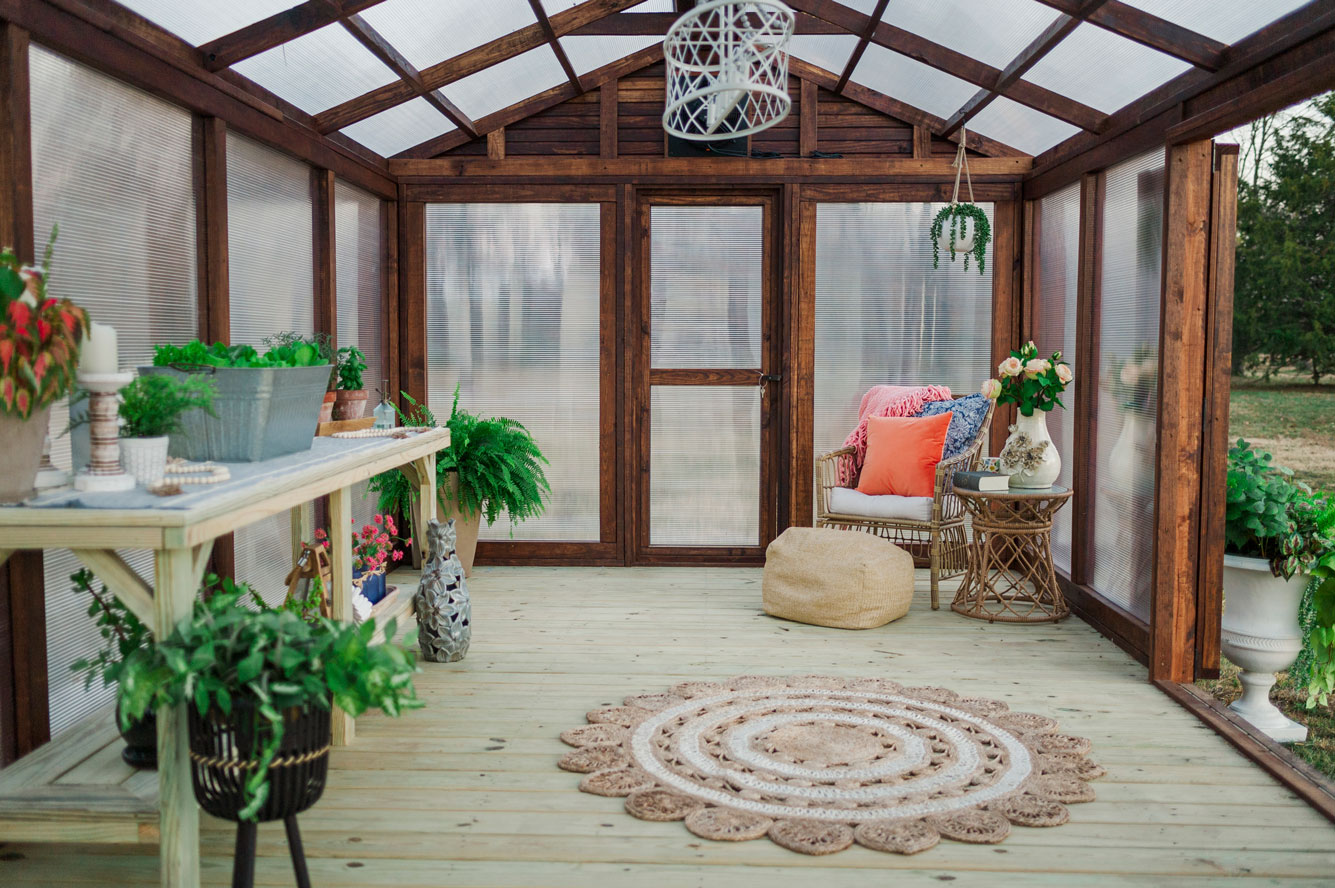
If one of your goals is to grow more of your own food, I believe the value of a greenhouse goes well beyond how many pounds of produce you harvest from inside it.
A greenhouse gives you something incredibly valuable as a gardener: time.
More growing time in fall. Opportunities to continue growing during winter. An earlier start in spring. A protected place to start seeds. More control when the weather outside isn't cooperating.
And a way to keep the gardening season moving forward when an outdoor garden might otherwise be empty.
Not everything you eat has to be grown inside the greenhouse for the greenhouse to play an important role in feeding your family.
Sometimes its biggest job is protecting what you're growing right now.
Sometimes it's extending a harvest.
And sometimes it's nurturing the tiny seedlings that will eventually fill the garden outside.
For me, that extended growing season has become one of the biggest reasons a greenhouse is such an important part of the way I garden.