Greenhouse Gardening for Beginners
There is so much anticipation that comes with getting a greenhouse. You spend months thinking about where it will go, deciding what size you need and imagining all the things you'll grow once it's finally there. Maybe you picture tomatoes climbing toward the ceiling, trays of seedlings waiting for spring, fresh herbs within reach or flowers filling the space with color.
Then your greenhouse arrives.
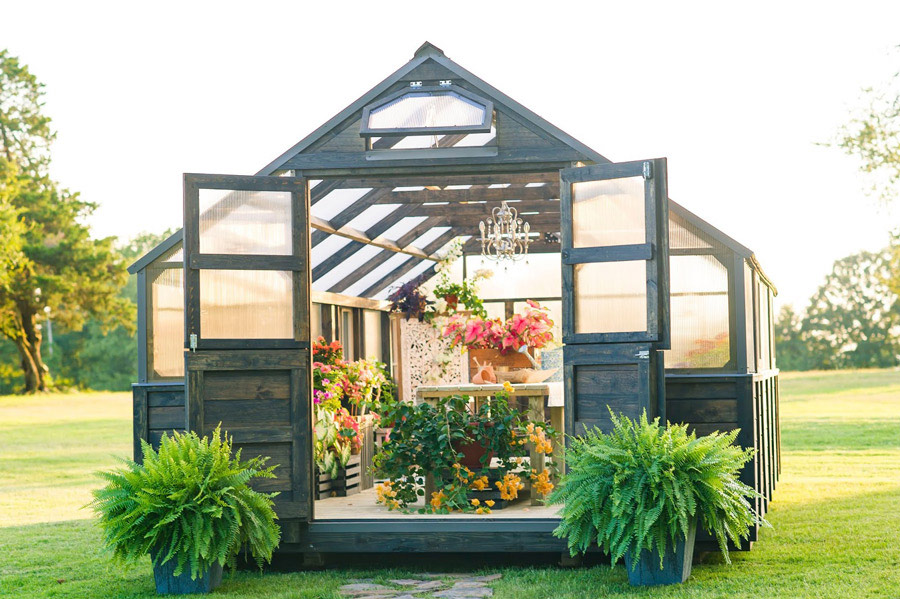
You walk inside that beautiful, completely empty space, look around and have a thought that doesn't get talked about nearly enough:
Okay. Now what?
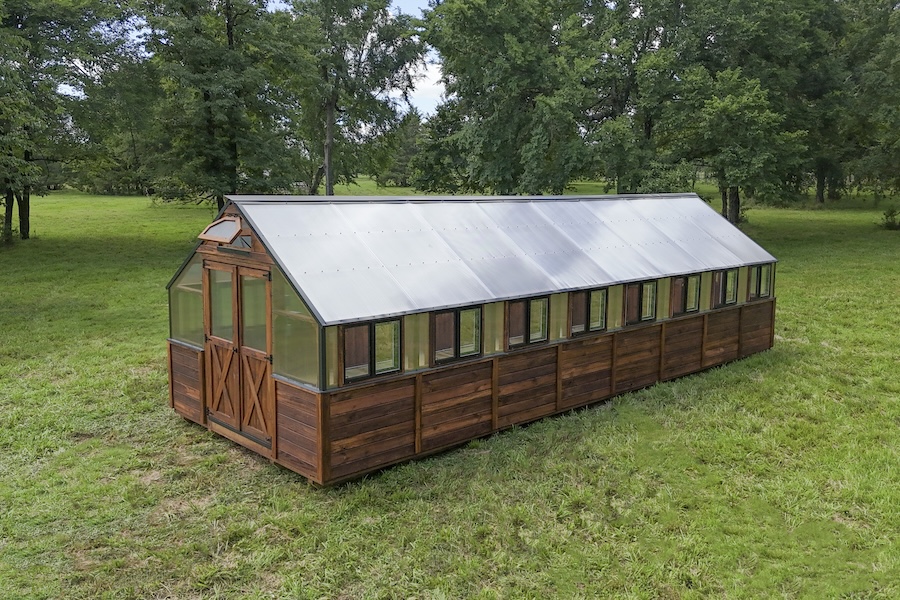
I've now grown in two Yoderbilt greenhouses—first a 12×16 and now a 12×28 Legacy—and if I could tell a new greenhouse owner one thing, it would be that you don't have to have everything figured out on day one.
I certainly didn't.
In fact, I think one of the best parts of greenhouse gardening for beginners is discovering the answer as you go. A greenhouse isn't something you completely learn from an instruction manual or a planting chart. You learn it by spending time inside it, growing things, getting some things right and inevitably getting a few things wrong.
You learn by paying attention.
Eventually, you stop simply having a greenhouse and start understanding your greenhouse.
There is a difference.
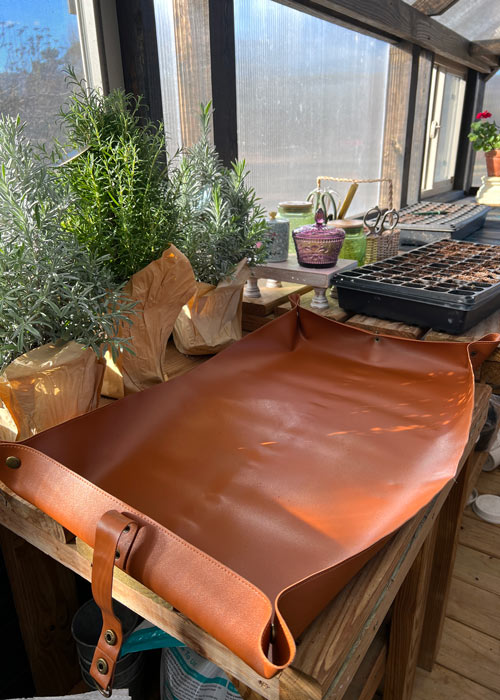
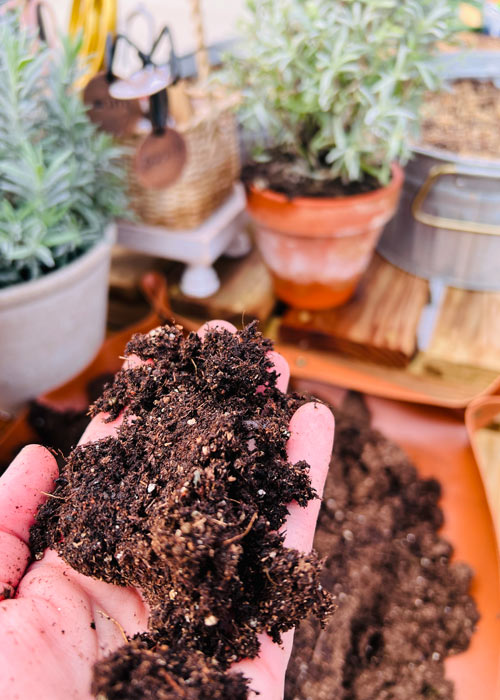
Before You Fill Your Greenhouse, Learn It
An empty greenhouse has a funny way of making you feel like you need to fill every available inch immediately. Seed catalogs certainly don't help. Suddenly every variety of tomato sounds necessary and somehow you've convinced yourself you need twelve kinds of basil.
But before you fill the space, spend a little time learning it.
Walk into your greenhouse in the morning and then again in the afternoon. Pay attention on cloudy days and sunny ones. You'll quickly discover that the weather inside your greenhouse isn't necessarily the weather happening outside it.
A cool, sunny day can warm a greenhouse surprisingly quickly. Once the sun disappears, conditions can change again.
That's one of the first things to understand when learning how to use a greenhouse. A greenhouse gives you a protected growing environment, but for most home gardeners it isn't a completely controlled one. Sunlight, outdoor temperature, ventilation, airflow and humidity are constantly influencing what's happening inside.
One of the first things I'd put in a new greenhouse isn't even a plant.
It's a good thermometer.
Then I'd simply watch it for a while.
Notice how quickly the temperature rises when the sun comes out and how much it falls overnight. Pay attention to where the strongest sunlight lands. Watch what happens when your vents open or the exhaust fan begins moving air.
Those observations might seem small, but they're the beginning of understanding your greenhouse. Eventually, they'll influence what you plant, where you put it and when you choose to grow it.
Most importantly, don't assume you need to decide immediately what kind of greenhouse gardener you're going to be.
Maybe you originally wanted a greenhouse to grow vegetables and discover that what you really love is starting flowers from seed. Maybe you imagined rows of tomatoes and end up using an entire section for herbs. Maybe your greenhouse becomes a place for vegetables, seedlings, flowers and overwintering plants depending on the time of year.
Mine changes constantly.
And I think that's part of what makes having a greenhouse so interesting.
It doesn't need one permanent job. Its purpose can evolve right along with your garden.
Start Growing and Let the Greenhouse Teach You
There is a temptation when you're new to greenhouse gardening to research everything until you feel completely prepared.
Research is valuable. But eventually, you have to put something in the soil.
Start with something you actually want to grow.
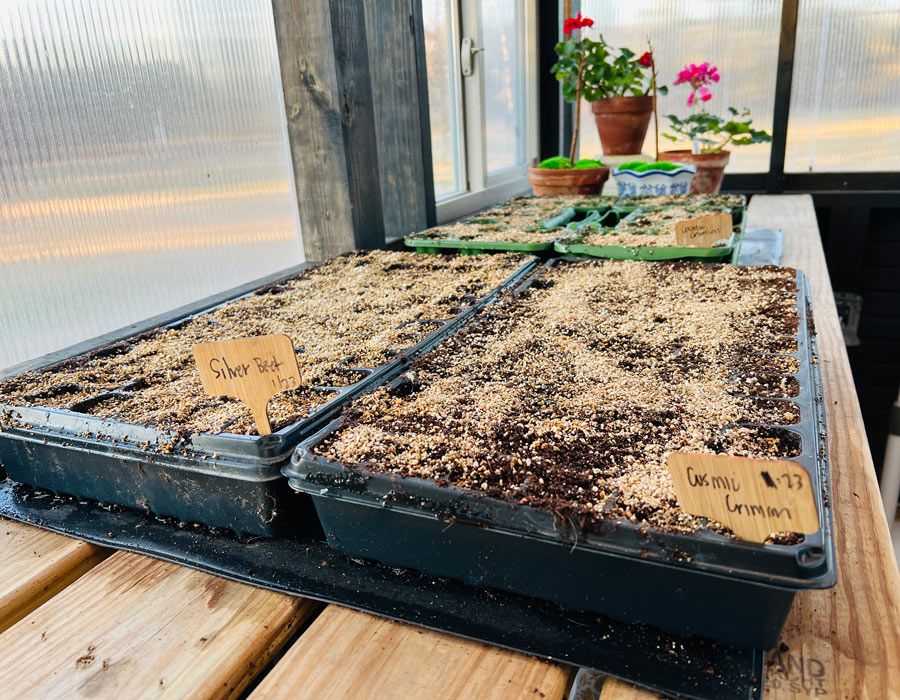
Maybe that's lettuce or herbs. Maybe it's a tray of tomato seeds. Maybe you've always wanted to grow flowers from seed instead of buying them at the garden center.
The specific plant matters less than beginning with something manageable and paying attention to what happens next.
This is where the greenhouse starts teaching you things no article really can.
You'll notice that one area gets more sunlight than another. You'll learn which containers dry out faster. You'll discover how dramatically the temperature can change over the course of a single day. Something you thought would thrive may struggle, while something you planted almost as an afterthought may surprise you.
You'll also begin figuring out what you actually enjoy growing, and I think that's just as important as learning what you can grow.
There are plenty of things that will grow successfully in a greenhouse.
That doesn't mean every one of them deserves space in yours.
Over time, your greenhouse becomes less about everything that's possible and more about what is useful, beautiful or interesting to you.
That's when it starts feeling personal.
Starting Seeds May Completely Change the Way You Garden
Starting seeds in a greenhouse was one of the things that changed the way I thought about my own greenhouse.
A tray of freshly planted seeds doesn't look particularly impressive. For a while, it looks like nothing is happening at all.
Then one morning there is a tiny bit of green pushing through the soil.
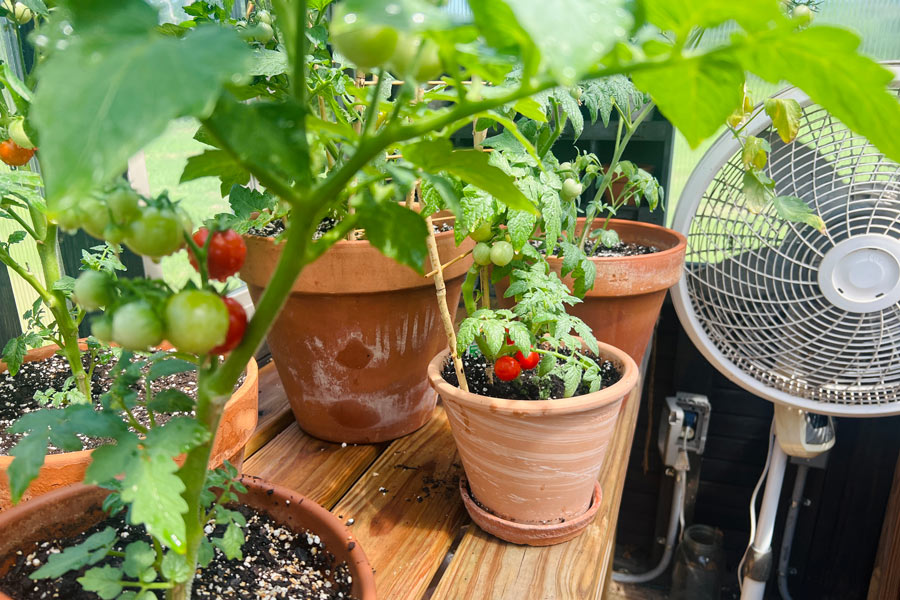
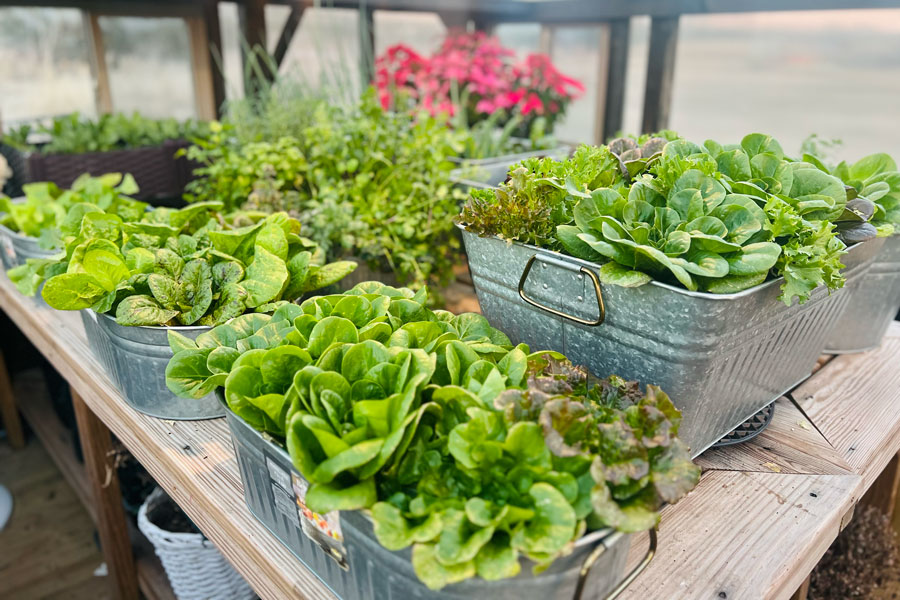
Before long, that one tray may be filled with tomatoes, peppers, herbs, vegetables or flowers that will eventually move outside into gardens, raised beds and containers.
That's when you begin to realize that the usefulness of a greenhouse isn't limited to what stays inside its walls.
Your entire garden can begin there.
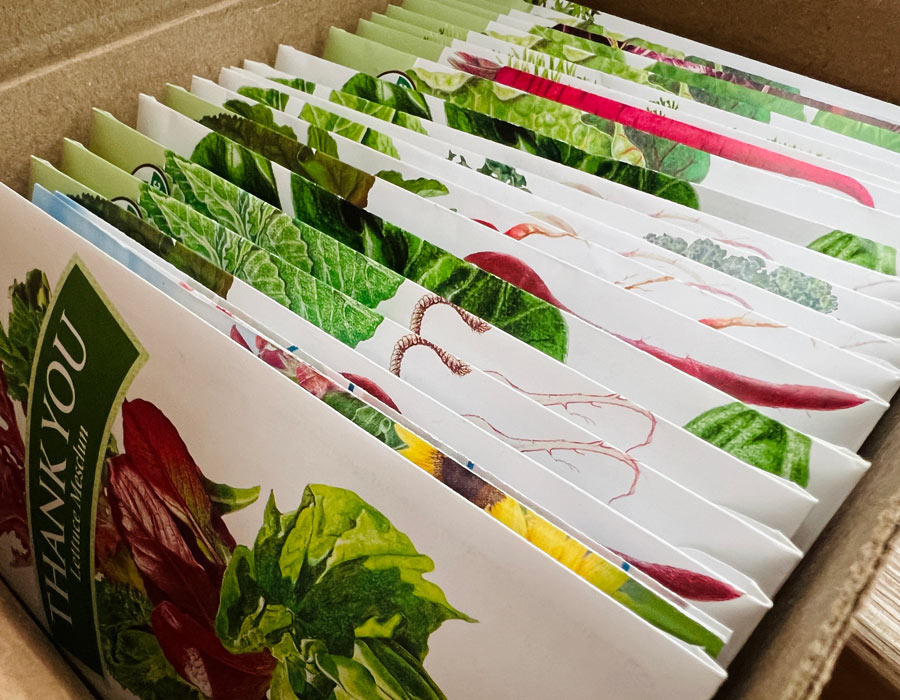
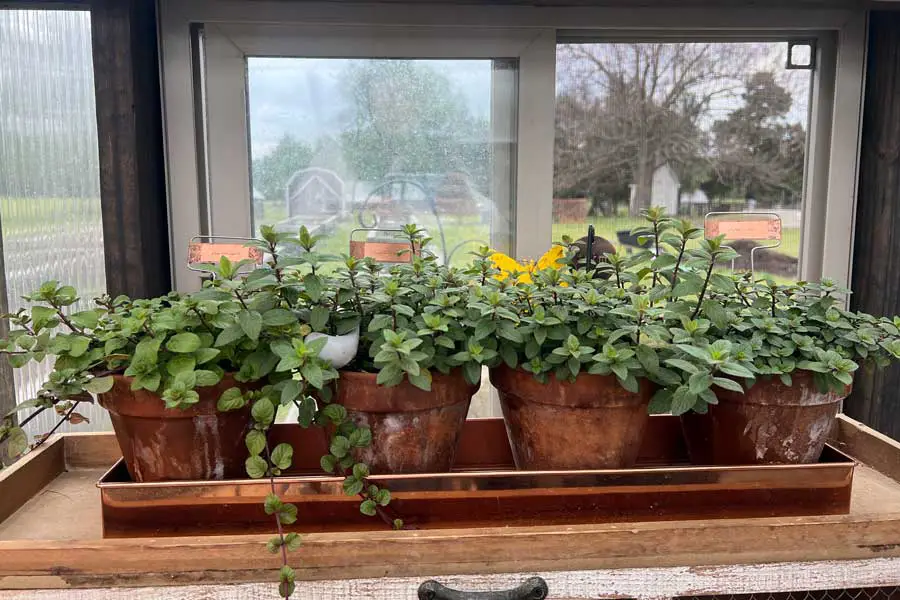
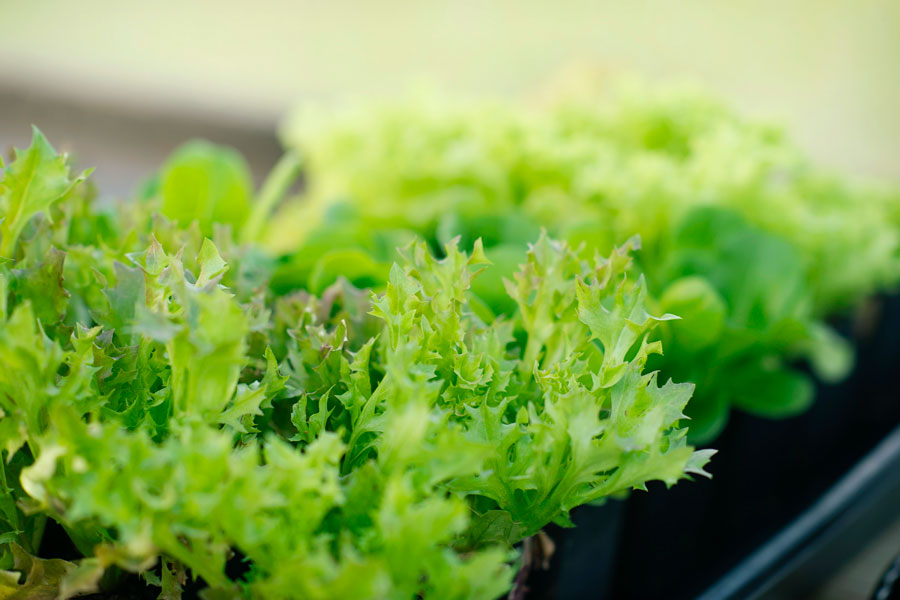
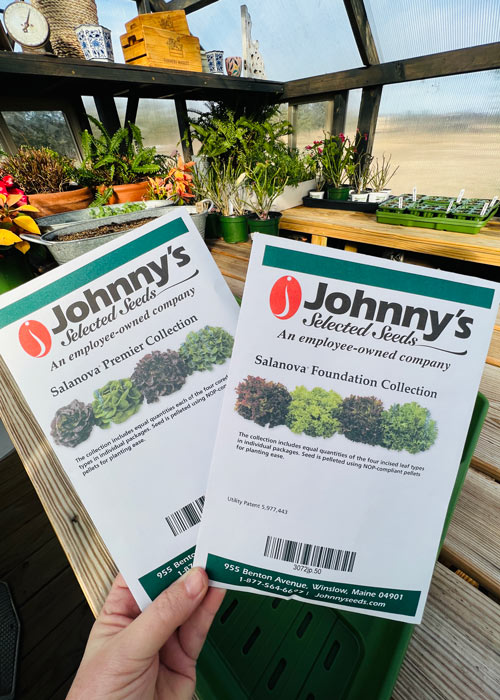
Instead of being limited to the varieties available as plants locally, starting from seed opens up an entirely different world of choices. You can experiment with unusual tomatoes, vegetables you've never grown before, specific flower varieties or herbs that may be difficult to find at your local garden center.
And there's something incredibly satisfying about watching those tiny seedlings eventually become plants growing throughout your property.
A greenhouse may have defined dimensions.
What begins inside it doesn't.
Eventually, You Stop Following the Greenhouse and Start Knowing It
This doesn't happen all at once.
It sneaks up on you.
One day you realize you walked inside and immediately noticed that something needed water. You glance at the temperature without consciously reminding yourself to check it. You move a plant because you know it isn't happy where it is.
You see a seedling and know it needs a little more time.
You'll also start forming opinions, which may be one of the surest signs that you've become a greenhouse gardener.
You'll grow something once and decide it isn't worth giving space to again. Something else will grow so beautifully that you'll plant twice as much the following year.
That's experience.
Not perfection.
There is a difference.
I've overwatered things. I've planted things at the wrong time. I've put plants where they didn't belong and tried things that didn't work nearly as well as I expected.
Every gardener has.
And then there are the things that grow so beautifully that you wonder why you didn't try them sooner.
A greenhouse doesn't remove the trial and error from gardening.
It simply gives you another wonderful place to experiment.
Don't Forget Why You Wanted a Greenhouse
With all the talk about greenhouse temperature, ventilation, watering and seed starting, it's easy to turn a greenhouse into another thing you're supposed to manage perfectly.
Don't.
Learn the technical parts because they matter, but don't become so consumed with doing everything correctly that you forget to enjoy the space you wanted so badly in the first place.
Take your coffee out there.
Walk through when nothing needs watering.
Notice the smell of the soil and the way the light changes throughout the day. Try a plant you've never grown before simply because you're curious. Grow the ridiculous tomato variety because the name made you laugh. Move things around until the space works for you.
Some days you'll walk out carrying vegetables, herbs or flowers. Other days you may simply walk through and notice that something you planted has finally germinated.
Both are good reasons to go.
A greenhouse is incredibly useful, but usefulness doesn't have to be measured only by how much you harvest from it.
Gardening is allowed to bring you joy, too.
And I think that's one part of greenhouse gardening for beginners that can get lost when everything is reduced to planting charts and lists of things you're supposed to do.
You are creating a place where you'll spend time.
Let yourself enjoy becoming familiar with it.
The Best Way to Learn Greenhouse Gardening Is to Grow
If you've just gotten your first greenhouse and you're standing inside wondering what happens next, you don't need a complicated plan.
You need a little time.
Start growing something and pay attention to what happens. Watch how sunlight moves through the space and how temperatures change. Learn what your ventilation can do. Start a few seeds and see how they grow. Try something that doesn't work and change it the next time.
Little by little, the greenhouse will stop feeling new.
You'll remember the first seeds you started there and the first crop that really surprised you. You'll know which corner gets the beautiful morning light and where you like to keep seedlings. You'll remember the year you planted far too much of something and the variety you discovered that you'll probably grow forever.
Eventually, you'll walk inside without consciously thinking about any of those things.
You'll just know the space.
And that's the part nobody can completely teach you.
You learn it by growing.
Somewhere along the way, without realizing exactly when it happened, you'll stop walking into your greenhouse and wondering:
What am I supposed to do with this?
You'll walk in already thinking about what you want to grow next.