If you're searching “tomato flowers but no fruit,” it's easy to assume poor pollination is always the cause.
It isn't.
Temperature, humidity, light, nutrition, watering, and general plant stress can all affect tomato fruit set.
Temperature is particularly important in a greenhouse because the interior can heat up quickly on a sunny day.
During winter, you may face the opposite problem.
If you're attempting to grow tomatoes in a greenhouse during winter, pollination is only one part of the equation. Tomatoes are warm-season plants that also require adequate temperatures and light to grow and produce well.
Depending on your climate, supplemental heat and lighting may be necessary for winter tomato production.
So remember:
An electric toothbrush can help pollinate a tomato flower. It can't fix a greenhouse that's too hot, too cold, too humid, or too dark.
The entire growing environment matters.
Growing Tomatoes in a Greenhouse During Winter
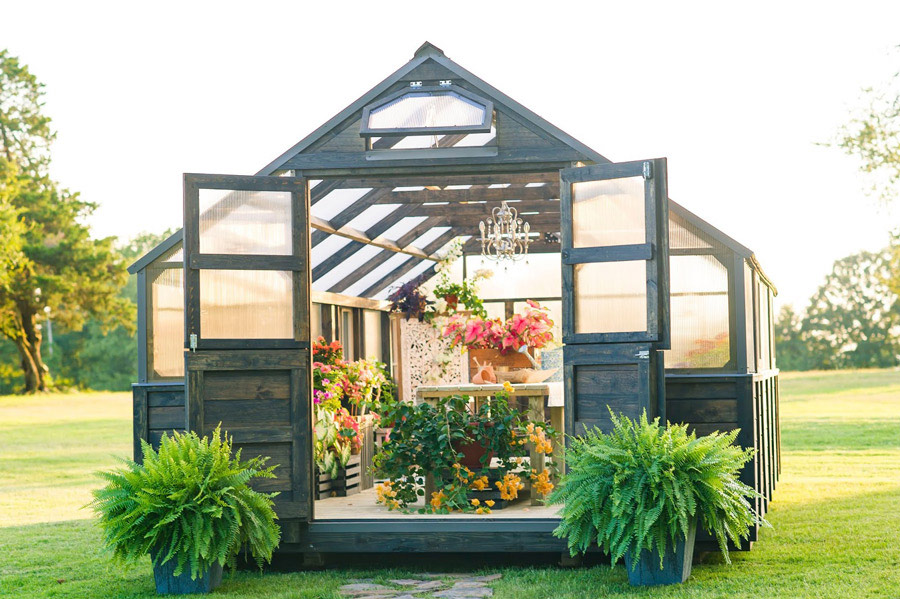
This is where the topic becomes particularly relevant for Yoderbilt owners.
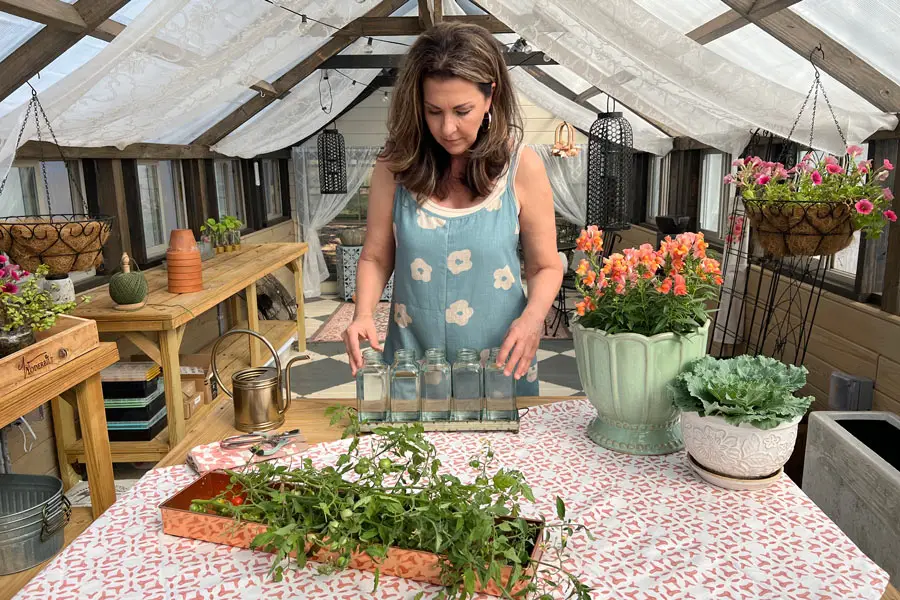
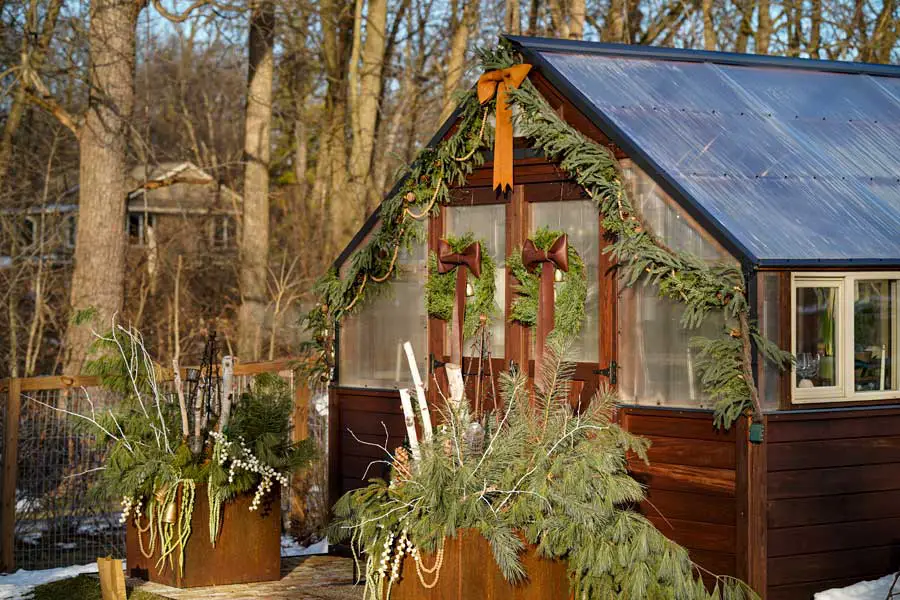
We hear from customers who love the idea of walking into their greenhouse in the middle of winter and picking a fresh tomato, and I completely understand the appeal. In fact, I grow tomatoes in my own Yoderbilt greenhouse every fall through spring as do many of our customers.
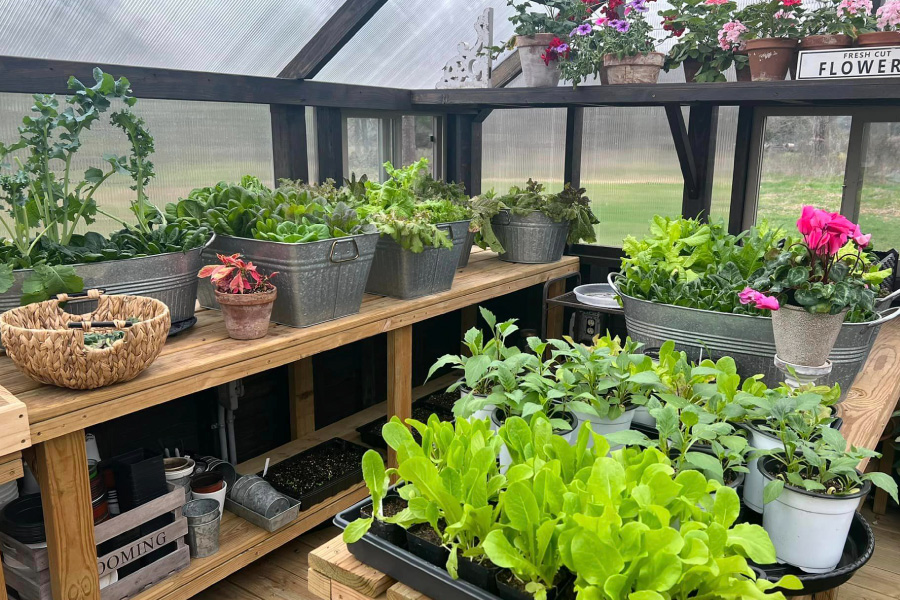
Do tomatoes require a little more attention than my cool-season crops like lettuce, spinach, and kale? Yes, but not nearly enough to make them feel intimidating.
For me, it’s really just a matter of giving them a few extras when winter weather calls for it. During the coldest stretches, I keep my tomato plants on heat mats to help maintain warmth around the root zone. If we have several completely cloudy days in a row, I may supplement with a grow light. Otherwise, I focus on the same basics tomatoes need any time of year: adequate warmth, good nutrition, airflow, light, and pollination.
And pollination is probably the easiest part to overthink.
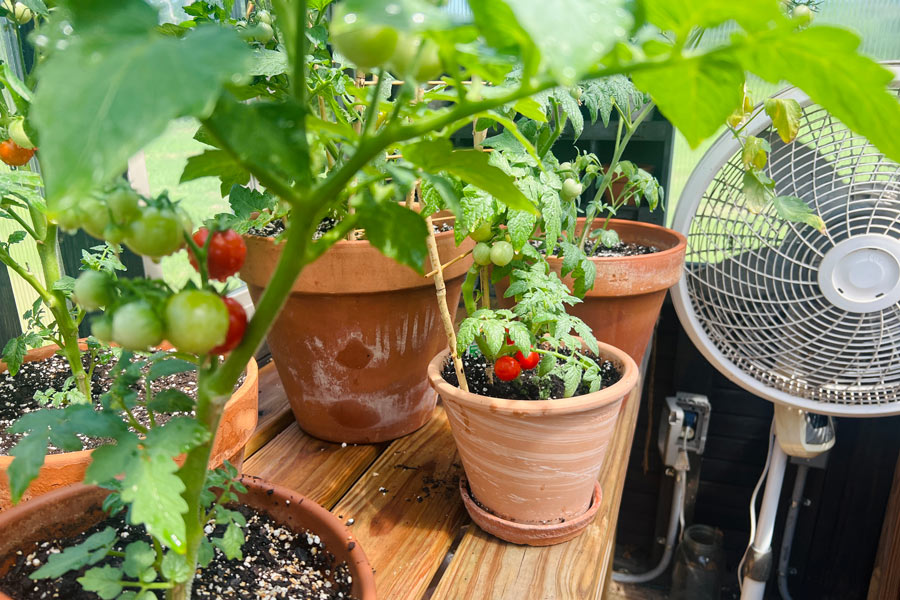
During winter, our greenhouses naturally stay closed more often, which means there may be less breeze and fewer visiting pollinators moving pollen from the flowers. That’s where hand pollinating greenhouse tomatoes can be especially helpful - and it takes very little effort.
A circulating fan can create gentle movement around the plants. You can lightly tap or shake the flower clusters when you walk by. And if you want to give them a little extra help, an electric toothbrush held against the flower stem for just a few seconds can create the vibration needed to release the pollen.
It doesn’t have to become another greenhouse chore. I tend to think of it as one of those little things you do while you’re already checking on your plants.
And suddenly, something that sounds complicated becomes pretty simple:
Your tomato doesn’t necessarily need a bee. It just needs its pollen to move.
Once you understand that, greenhouse tomato pollination becomes much less mysterious—and growing fresh tomatoes through the colder months feels a whole lot more doable.
I especially like adding “when you walk by” and “while you’re already checking on your plants.”
Sometimes the Strangest Gardening Tricks Make Perfect Sense
That's one of my favorite things about gardening.
No matter how long you've been doing it, there's always something new to learn.
And occasionally that lesson begins with:
Wait. Why are people taking toothbrushes into their greenhouses?
The electric toothbrush may be what gets everyone's attention, but the real lesson is understanding what tomato flowers need.
Outdoors, nature provides movement through wind and pollinating insects.
Inside a greenhouse, sometimes we recreate a little of that ourselves.
A bumblebee can do it.
Air movement can help.
Your finger can do it.
And yes, an electric toothbrush can do it.
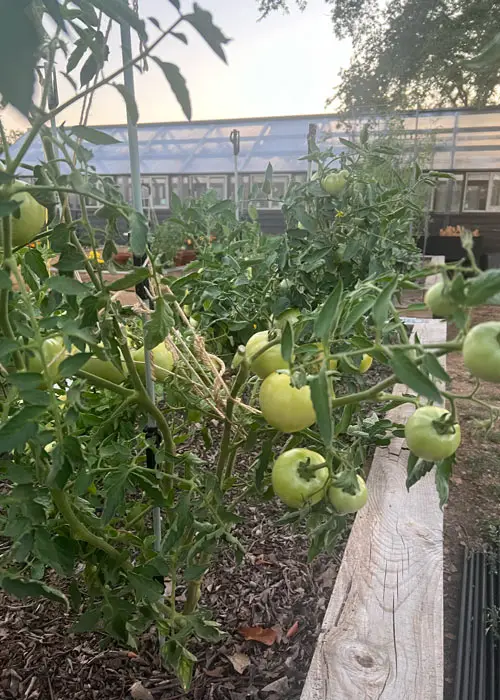
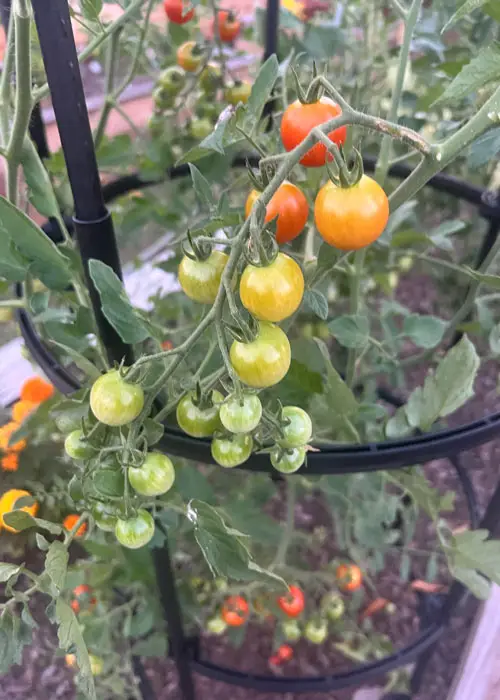
So if your tomato plants are covered in beautiful yellow flowers but you're still waiting for those little green tomatoes to appear, take a closer look at your growing conditions and give those flower clusters a gentle vibration.
And if someone happens to notice a toothbrush sitting next to your pruning shears?
Tell them it's for the tomatoes.
Frequently Asked Questions About Greenhouse Tomato Pollination
No. Tomatoes are self-pollinating, so bees aren't required. However, vibration from bumblebees, air movement, or mechanical pollination can help release pollen within the flower.
When tomato plants are actively flowering, gently vibrating newly opened flower clusters every couple of days can help encourage successful pollination.
Gentle airflow may help create movement in tomato flowers, but directly tapping or vibrating the flower clusters may be more reliable if your plants are flowering without setting fruit.
Yes, but winter greenhouse tomatoes require adequate warmth, light, nutrition, airflow, and successful pollination. Supplemental heat and lighting may be necessary depending on your climate and available winter sunlight.
Connect with Yoderbilt