
Is a Greenhouse Worth It?
If you've ever found yourself pausing over photographs of beautiful backyard greenhouses, imagining warm sunlight filtering through greenery while herbs spill from terracotta pots and tomato vines climb overhead, you're certainly not alone.
There is something undeniably captivating about the idea of owning a greenhouse.
For some, it represents the dream of growing fresh food, starting their own seedlings, extending the gardening season, and becoming a little more self-sufficient. For others, it feels like the ultimate backyard luxury: a beautiful, purposeful space that is equal parts productive and peaceful.
But eventually, practicality interrupts even the loveliest daydream.

Is a greenhouse actually worth it?
For homeowners who garden regularly, want to extend their growing season, protect plants from unpredictable weather and wildlife, or grow more of their own food, a quality backyard greenhouse can absolutely be worth the investment.
But the real value depends on how you'll use it, the greenhouse you choose, your climate, and what you expect it to do.
For the right gardener, it can become one of the most useful and most loved spaces on the property.
Is a Greenhouse Worth the Money?
A quality greenhouse is not an impulse purchase, so it's reasonable to ask whether you'll use it enough to justify the cost.
Will it make gardening easier or more successful? Can you use a greenhouse year-round? Can growing your own vegetables save money? And what's the difference between an inexpensive greenhouse kit and a more permanent, fully assembled greenhouse?
When evaluating whether a greenhouse is worth the money, it helps to look beyond the purchase price and consider how many ways you'll use the space and how many years you expect to use it.
A greenhouse can allow you to start seeds, protect plants, extend harvests, grow vegetables and herbs, overwinter plants, and garden during portions of the year when your outdoor garden isn't productive. Those are well-established uses of home greenhouses. (Backyard Farmer)
And then there are benefits that are much harder to calculate.
For many greenhouse owners, that's where the answer to “Was it worth it?” ultimately becomes yes.

How Much Does a Greenhouse Cost?
The cost of a greenhouse depends largely on what kind of greenhouse you're comparing.
A small temporary or DIY greenhouse can cost relatively little, while larger greenhouse kits and permanent backyard greenhouses represent a more significant investment. Size, materials, construction, flooring, ventilation, features, delivery, assembly, and installation can all affect the final cost.
That's why comparing greenhouse prices isn't always as simple as comparing two numbers.
A lightweight greenhouse kit and a handcrafted, fully assembled greenhouse designed for long-term use offer very different ownership experiences.
When comparing greenhouse costs, consider what is actually included: construction and framing, panel material and thickness, flooring or foundation requirements, windows and ventilation, doors, assembly, delivery, placement, available options, and expected durability.
An inexpensive greenhouse can certainly be the right choice for some gardeners. But a lower initial price doesn't always mean a lower total cost of greenhouse ownership.
Freight, assembly time, installation help, repairs, upgrades, replacement parts, and eventually replacing a greenhouse that didn't meet your needs can all change the equation.
The better question isn't simply:
“What is the cheapest greenhouse?”
It's:
“What am I getting for the money I'm spending?”
Greenhouse Kit vs. Fully Assembled Greenhouse: Does It Affect the Value?
Absolutely.
A greenhouse kit generally requires the homeowner to receive, inventory, assemble, and anchor the structure before it can be used. For people who enjoy DIY projects and have the necessary time, tools, and experience, that may be perfectly acceptable.
Other homeowners want a different experience.
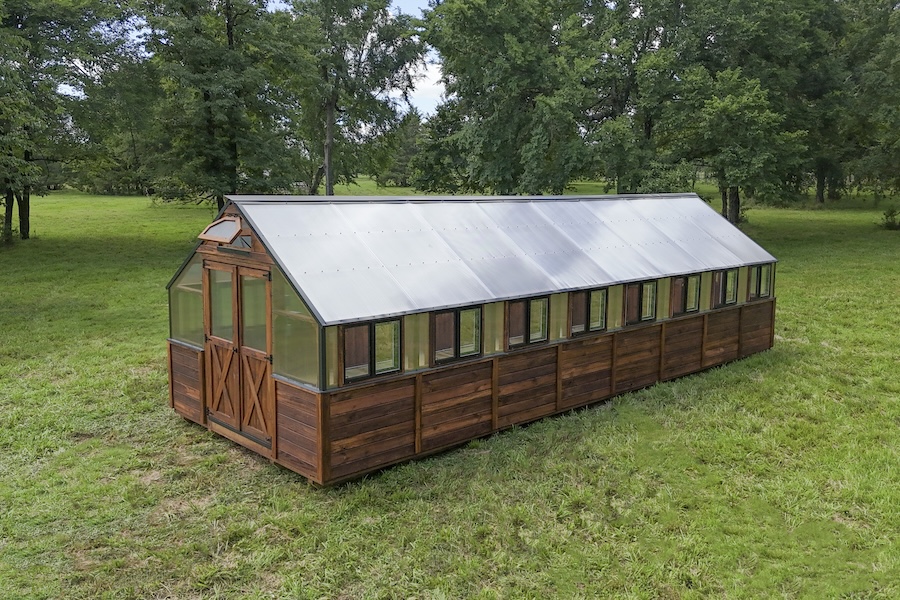
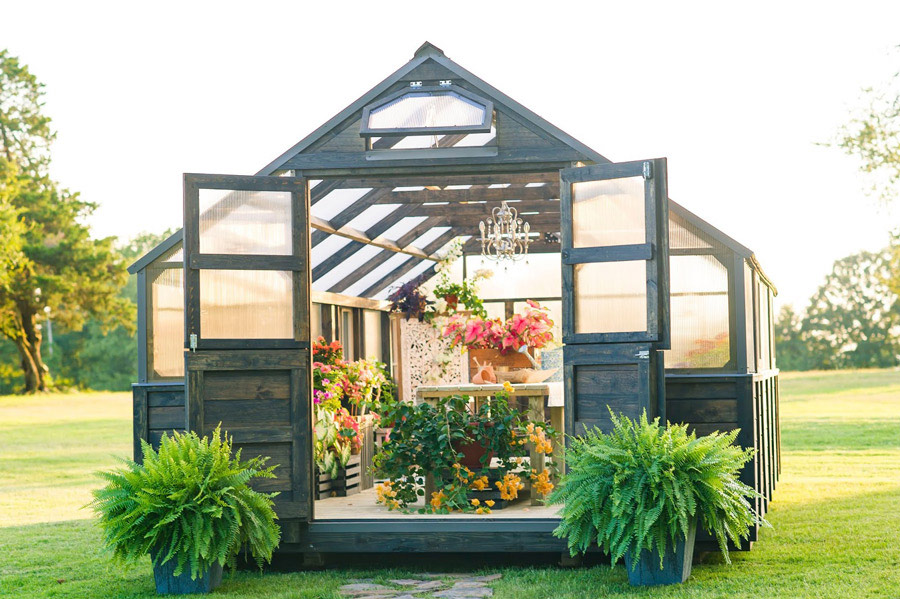
At Yoderbilt Greenhouses, our greenhouses are handcrafted and delivered fully assembled. Instead of receiving hundreds of components and beginning a construction project, the greenhouse arrives built and is carefully placed on the prepared site.
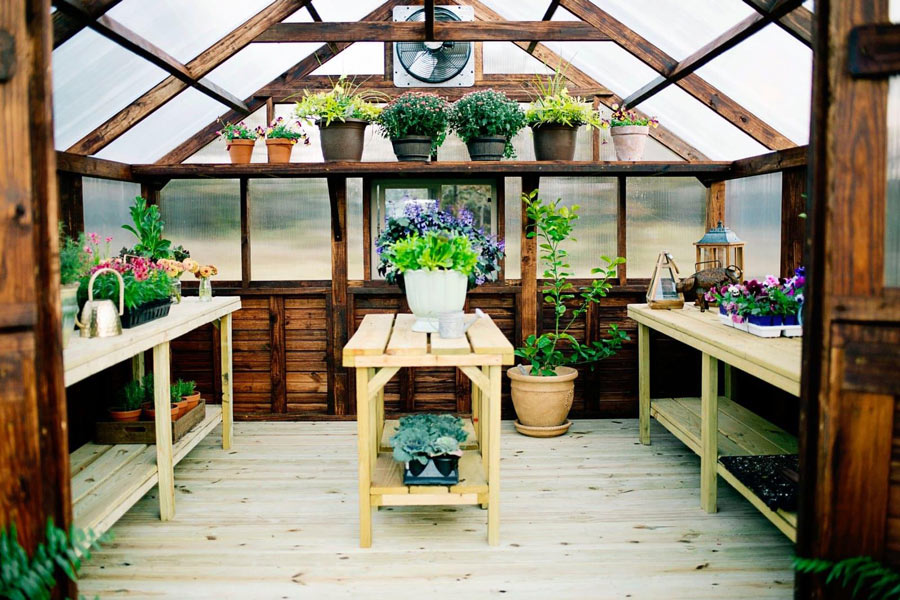
Yoderbilt greenhouses also include features designed for actual growing, including 8mm twin-wall polycarbonate, pressure-treated deck-board flooring, ventilation, windows, and other features depending on the greenhouse model and selected options.
When comparing a greenhouse kit with a fully assembled greenhouse, the sticker price is only one part of the decision.
Time, construction, materials, included features, durability, and how quickly you can actually begin using your greenhouse matter too.

What Are the Benefits of Owning a Greenhouse?
The biggest greenhouse benefits depend on how you garden, but several can dramatically change what you're able to grow at home.
A Longer Growing Season
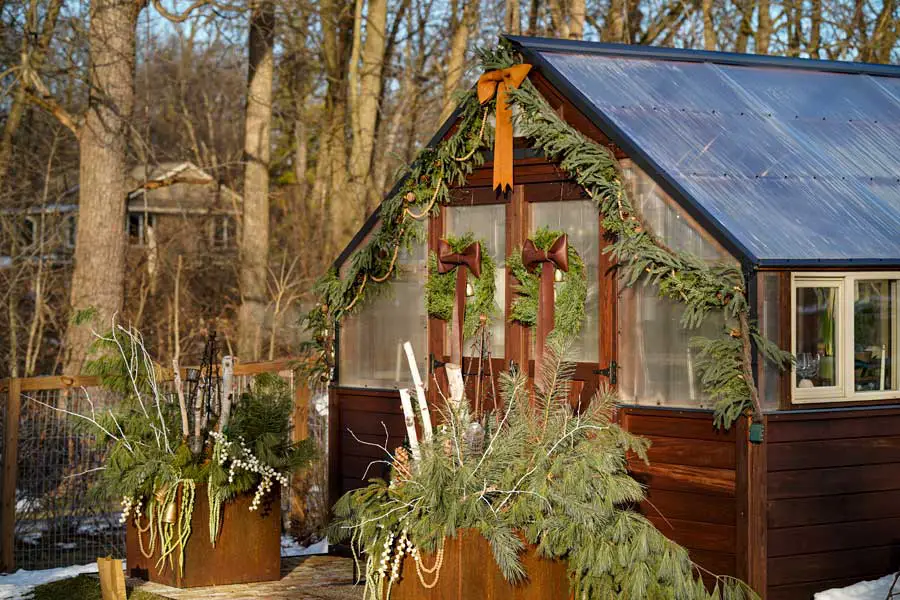
A greenhouse can allow you to begin growing earlier in spring and continue later into fall. Depending on your climate, greenhouse setup, crops, and supplemental heating, you may also be able to garden throughout much or all of the winter.
Instead of letting the first frost determine when your gardening season ends, you gain considerably more control over your growing calendar. (WSU Extension)
Protection From Weather and Wildlife
Every gardener knows how quickly weather can undo weeks of work.
Late frost. Hail. Heavy rain. Strong wind. Sudden temperature changes.
And then there are deer and other wildlife that can discover a vegetable garden overnight.
A greenhouse creates a more protected growing environment, helping shield plants from many of the conditions they face outdoors. (Backyard Farmer)
More Control Over Growing Conditions
A greenhouse doesn't eliminate gardening challenges, but it gives you greater influence over the environment.
Ventilation, shade, supplemental heat, airflow, watering, and plant placement can all be adjusted based on the season and what you're growing.
That control can mean fewer lost plants and more consistent results.
Growing More of Your Own Food
For many families, the ability to grow their own food at home has become increasingly important.
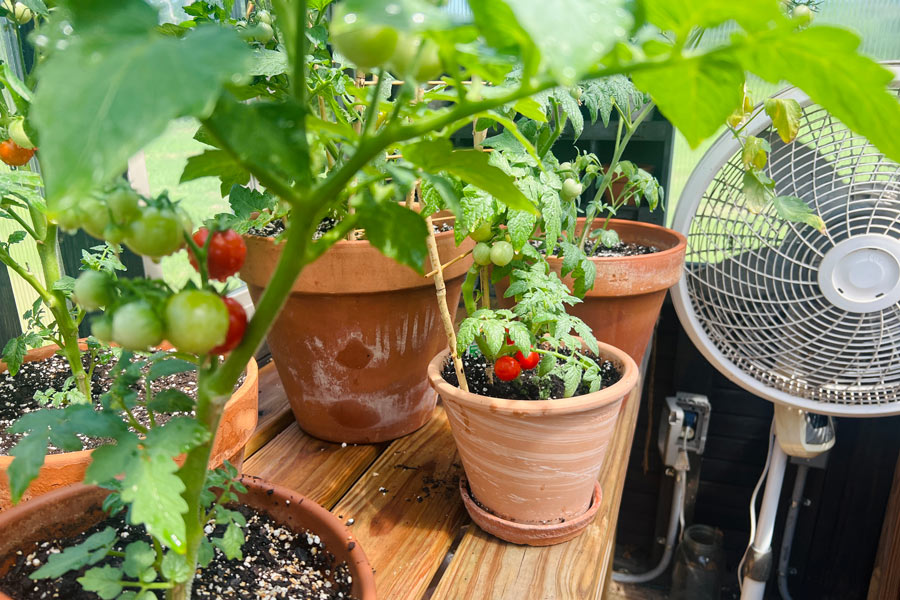
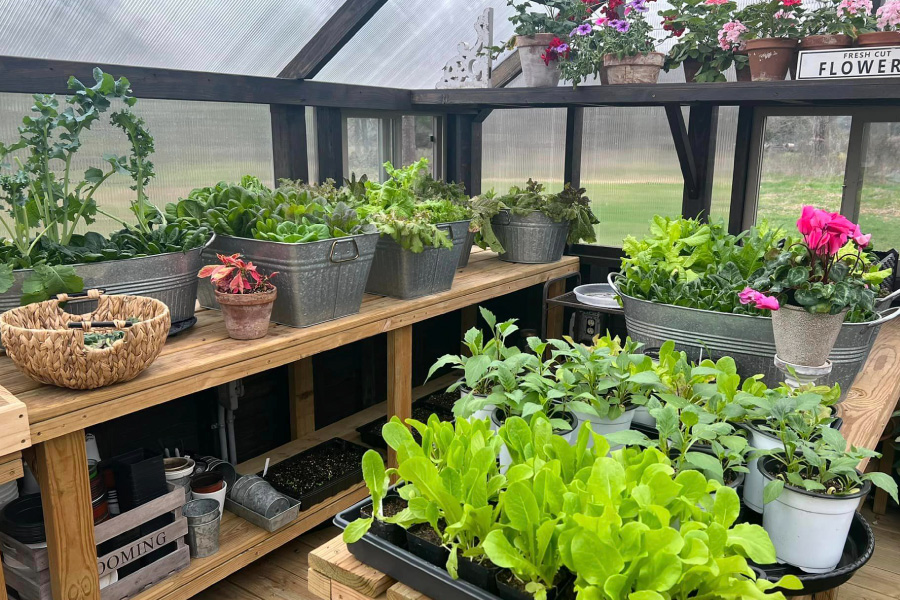
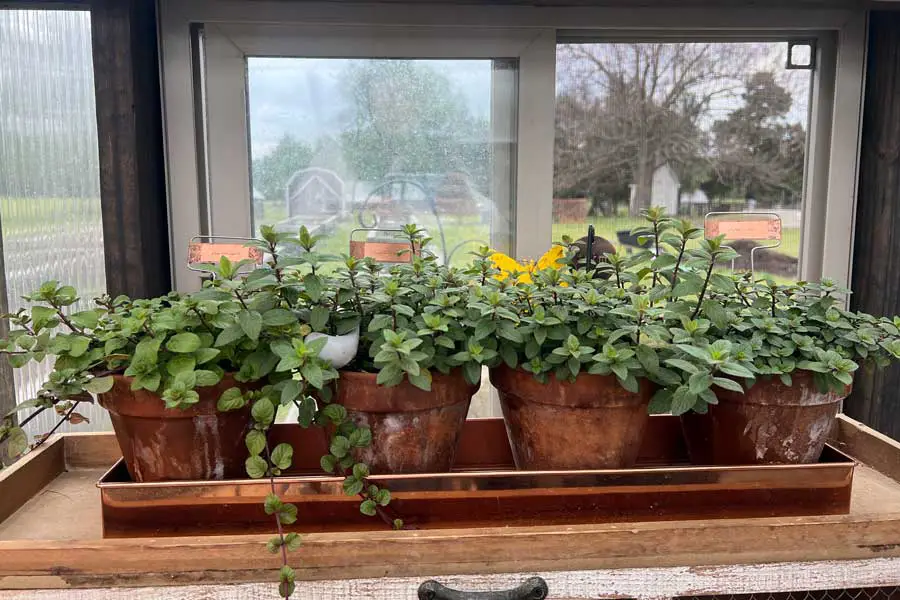
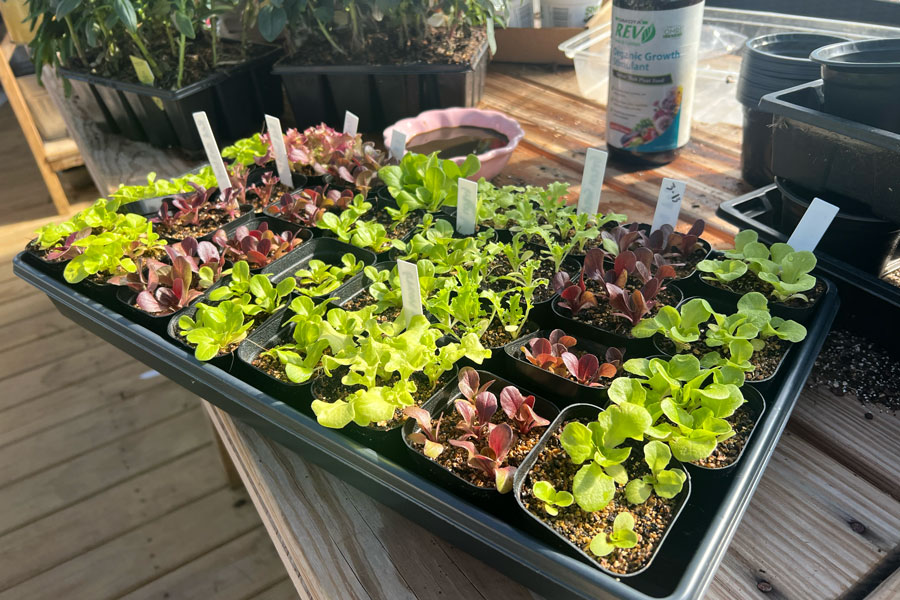
Tomatoes, cucumbers, peppers, lettuce, spinach, herbs, and other vegetables can all become part of a greenhouse growing plan.
You don't need to become completely self-sufficient for home food production to feel worthwhile.
Sometimes having lettuce growing in January or fresh basil just outside the back door is enough.
Can a Greenhouse Save You Money?
Potentially, yes, although I wouldn't recommend buying a greenhouse based solely on the expectation that grocery savings will quickly pay for it.
For households that regularly purchase herbs, vegetables, seedlings, flowers, or specialty plants, growing some of those items yourself can reduce recurring expenses over time.
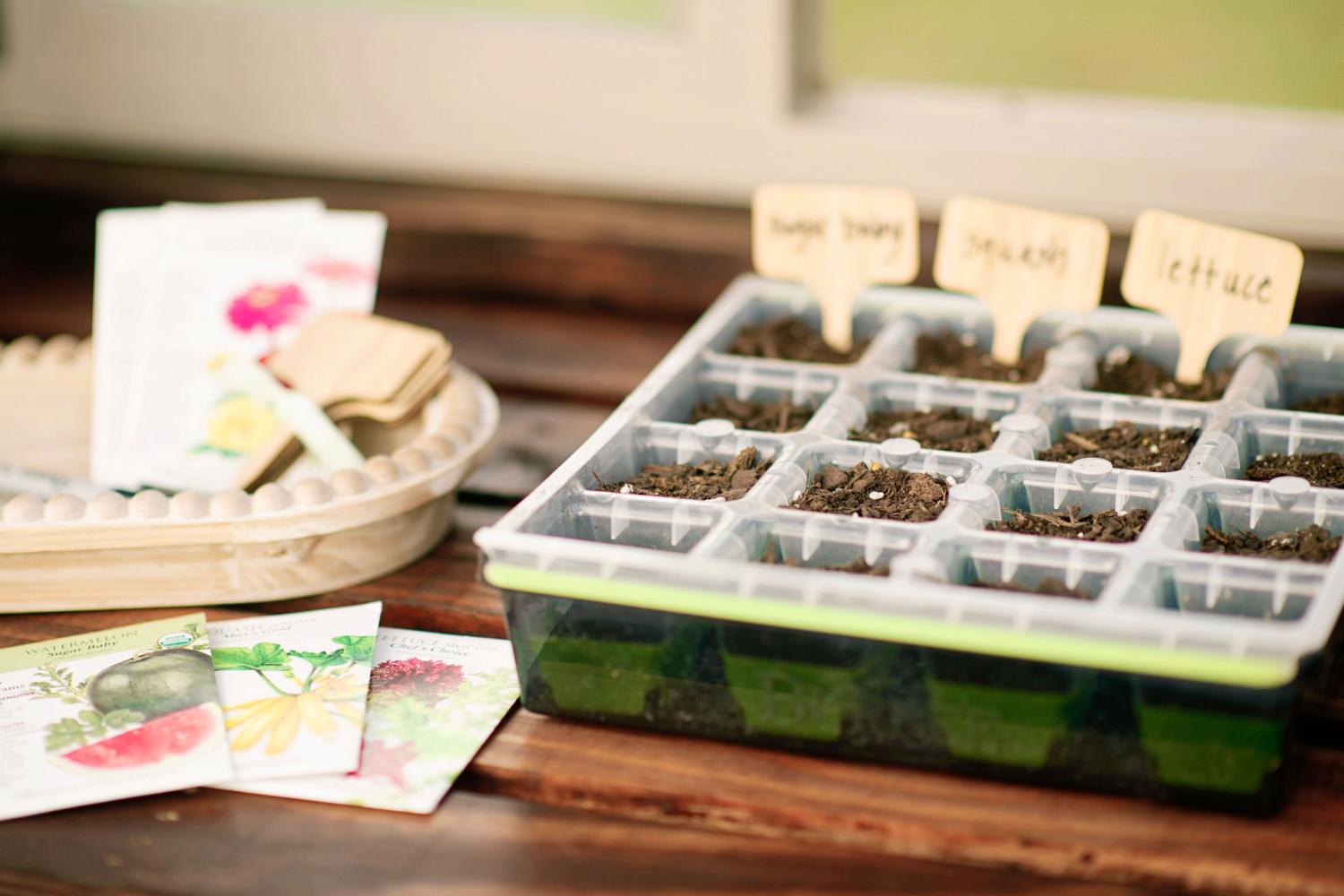
Starting plants from seed rather than purchasing large numbers of nursery transplants each spring can also create meaningful savings for avid gardeners.
And there's another type of savings that's easy to overlook: plants you don't have to replace.
Protecting plants from late frost, wildlife, hail, and other environmental conditions can mean fewer lost seedlings and mature plants.
But financial savings are only one part of the return.
Can You Use a Greenhouse Year-Round?
In many climates, yes, although year-round greenhouse gardening requires realistic expectations.
Spring is ideal for seed starting and early transplants. Fall can extend vegetable harvests beyond the normal outdoor growing season. Winter can provide protection for cool-season crops and overwintering plants, with supplemental heat added when necessary.
Even summer can remain productive with proper ventilation, airflow, and shade to manage high temperatures. Greenhouse design and climate management are particularly important during hot weather. (What's Happening Around Florida)
A greenhouse doesn't automatically create perfect growing conditions twelve months of the year.
It gives you the tools to modify those conditions and extend what would normally be possible outdoors.
What I Didn't Expect About Owning a Greenhouse
The practical side of greenhouse ownership was what first drew me in.
I wanted to grow fresh food, start my own seedlings successfully, cut flowers from my own space, and extend my gardening season.
But somewhere along the way, the value shifted.
My greenhouse became not only about productivity but also about peace.
It became the place I slipped away to when life felt especially heavy. Just steps from the back door, yet somehow worlds apart from dirty dishes, unfinished projects, and the noise of everyday life.
Some mornings it's simply coffee and quiet.
Some afternoons it's harvesting herbs, watering thirsty plants, or gently tending to whatever needs attention.
And some days, if I'm honest, it feels like the closest thing to a little vacation without ever leaving home.
There is something deeply grounding about stepping into a greenhouse on a cool morning. The earthy scent of damp soil. Filtered sunlight. The quiet rhythm of watering and tending to growing things.
That kind of return doesn't fit neatly into a spreadsheet.
But it matters.
And it's one of the greenhouse benefits I didn't fully understand until I owned one myself.

Is a Greenhouse a Good Investment?
That depends on how you define a return on your investment.
It's easy to measure the cost of a greenhouse. It's much harder to put a dollar amount on everything it can give back over the years you own it.
For many families, one of the greatest returns is the ability to grow more of their own food at home.
There is real value in walking outside and harvesting lettuce for dinner, picking tomatoes straight from the vine, clipping fresh herbs when you need them, or knowing exactly how the food you're feeding your family was grown.
A greenhouse can extend the months you're able to do that.
It can protect a vegetable harvest from an unexpected frost, give seedlings a stronger start in spring, keep deer from reaching plants you've spent months growing, and make fresh, homegrown food available during seasons when an outdoor garden may no longer be producing.
And there are benefits that aren't easily reflected in a grocery budget.
Freshly harvested produce can go from plant to table without spending days in transportation or storage. You choose what you grow, when you harvest it, and what products you use, or don't use, along the way.
For families with children or grandchildren, there is also something meaningful about teaching them where food actually comes from. A seed becomes a plant. A flower becomes a tomato. Something they helped grow becomes part of dinner.
Those experiences have value.
So does spending more time outside. Working with your hands. Eating something you grew yourself. Sharing a harvest with your family or neighbors. And having fresh food just steps from your back door.
Those returns are difficult to calculate on a spreadsheet.
A greenhouse may save money on produce, seedlings, herbs, and plants over time, but that isn't the only way, or necessarily the best way, to determine whether it was a good investment.
Perhaps a better question is:
What would having the ability to grow fresh food for your family for more months of the year be worth to you?
For many greenhouse owners, that's where the value becomes much bigger than the original purchase price.
Some of the most valuable things a greenhouse gives you simply don't come with a price tag.

How Long Does a Quality Greenhouse Last?
A greenhouse intended to last for many years should be evaluated differently from a temporary seasonal structure.
Materials, construction quality, panel durability, framing, flooring, hardware, and ongoing maintenance all influence greenhouse lifespan.
That's why durability should be part of the buying decision from the beginning.
The longer you own and actively use a quality greenhouse, the more meaningful the initial investment can become.
Why Greenhouse Owners Often Say, “I Wish We'd Done It Sooner”
One of the most revealing things you hear from happy greenhouse owners is remarkably consistent:
“I wish we'd done this sooner.”
I think that's because what begins as a practical gardening purchase often becomes something more meaningful.
A place to grow food. A peaceful retreat. A backyard destination. A reason to step outside more often. A space where children and grandchildren make memories.
And sometimes, a quiet reminder that waiting has its own cost.
Another spring buying starter plants.
Another growing season battling deer.
Another winter trying to find room inside the house for plants.
Another year saying, maybe next year.
That isn't a reason to rush into the wrong greenhouse.
But if a backyard greenhouse has quietly lived on your someday list for years, it may be worth asking what you're actually waiting for.
So, Is a Greenhouse Worth It?
For the right person, yes, a greenhouse can absolutely be worth the investment. And over time, it can change far more than the way you garden.
If you garden regularly, want to grow more of your own food, need protection from wildlife and unpredictable weather, want to extend your growing season, or simply want a beautiful dedicated place to grow, a quality backyard greenhouse can provide value for years.
For many homeowners, what begins as a practical gardening decision ultimately becomes one of the most loved spaces on the property.
And often, the greater regret isn't making the investment.
It's waiting so long to experience it.
If a greenhouse has been quietly sitting on your someday list, perhaps this is the season to ask whether someday has been waiting long enough.
If you're exploring greenhouse options and have questions about greenhouse sizes, features, delivery, or what might work best for your property, the Yoderbilt team is always happy to help.