Why More Families Are Turning to Backyard Greenhouses to Grow Their Own Food
The modern victory garden is making a comeback as more families grow their own food. Discover how backyard greenhouses can extend the growing season, protect vegetables and create a more reliable home garden.
There is a quiet shift happening in backyards across America, and if you have felt it too, you are certainly not alone.
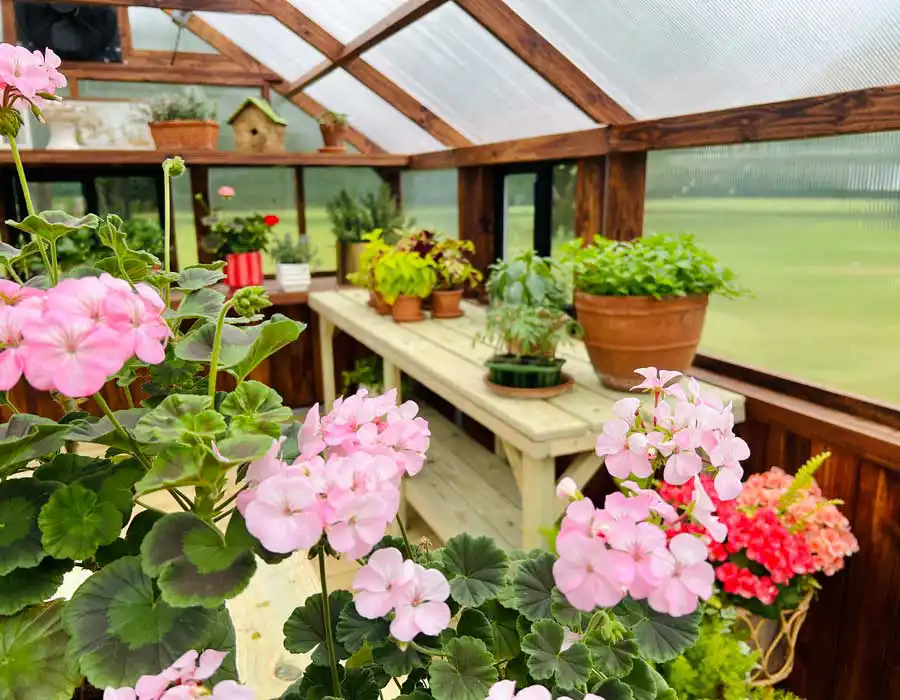
It shows up in simple, meaningful ways: a raised garden bed beside the patio, herbs growing just outside the kitchen door, tomato seedlings stretching toward the morning sun, or a family deciding that this may finally be the year to start a vegetable garden.
More people are thinking about grocery prices, food quality, where their produce comes from, and what it might look like to grow more of their own food at home.
In many ways, it is a modern version of something Americans have done before.
What Is a Modern Victory Garden?
During World War I and World War II, victory gardens transformed ordinary backyards, community spaces, schools, and vacant lots into productive vegetable gardens. Families grew fruits, vegetables, and herbs at home to supplement the food supply and put more homegrown food on their tables.
Today's circumstances are certainly different, but the renewed interest in the modern victory garden carries some of that same spirit.
For most families, growing food at home is not about becoming completely self-sufficient or giving up the convenience of the grocery store. It is about having another option.
It may mean growing tomatoes instead of buying every tomato at the store. Keeping fresh herbs just steps from the kitchen. Harvesting lettuce throughout the cooler months. Starting vegetable plants from seed. Or simply knowing that some of the food on the dinner table was grown right outside your own door.
That kind of self-reliance can feel both practical and deeply rewarding.
Why Are Victory Gardens Making a Comeback?
Several things have brought renewed attention to home vegetable gardening and growing your own food.
Higher grocery prices have made families more conscious of what they spend on food. Questions about food quality and ingredients have made people more interested in knowing where their food comes from. At the same time, many homeowners are looking for meaningful ways to use their own property and become a little less dependent on what is available at the store.
Suddenly, growing your own vegetables does not feel quite as old-fashioned.
It feels practical.
But the return of the victory garden does not have to be rooted in fear or scarcity. For many gardeners, it is exactly the opposite.
It is rooted in the satisfaction of knowing you can grow something yourself.
There is something reassuring about stepping outside to clip rosemary for dinner, harvest lettuce that never sat on a truck, or pick a tomato from the vine while it is still warm from the afternoon sun.
Those moments may seem small, but they rarely feel small when you are living them.
Growing food changes more than what ends up on the dinner table. It changes your relationship with home. Meals become more thoughtful. Seasons become more noticeable. Ordinary routines become connected to something tangible and alive.
The Backyard Greenhouse as a Modern Victory Garden
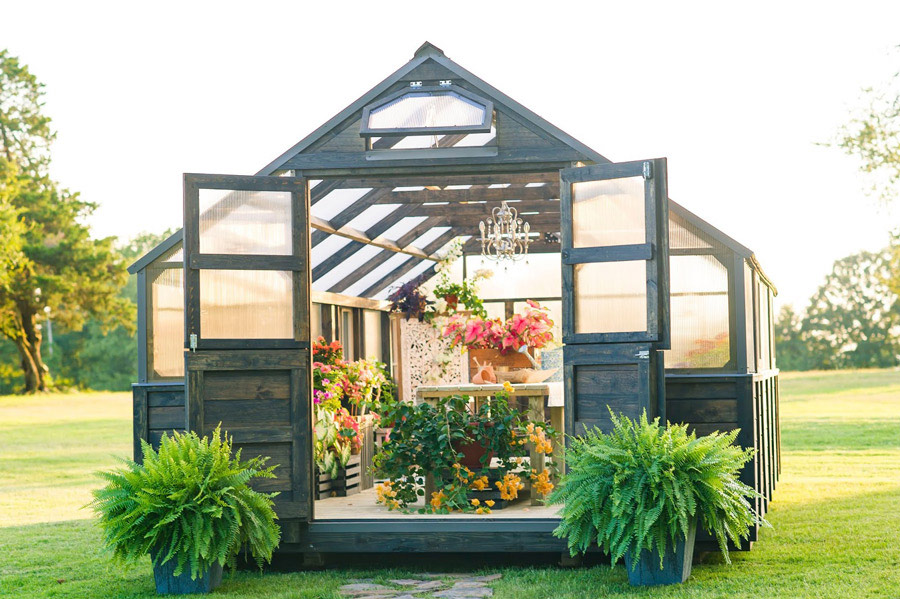
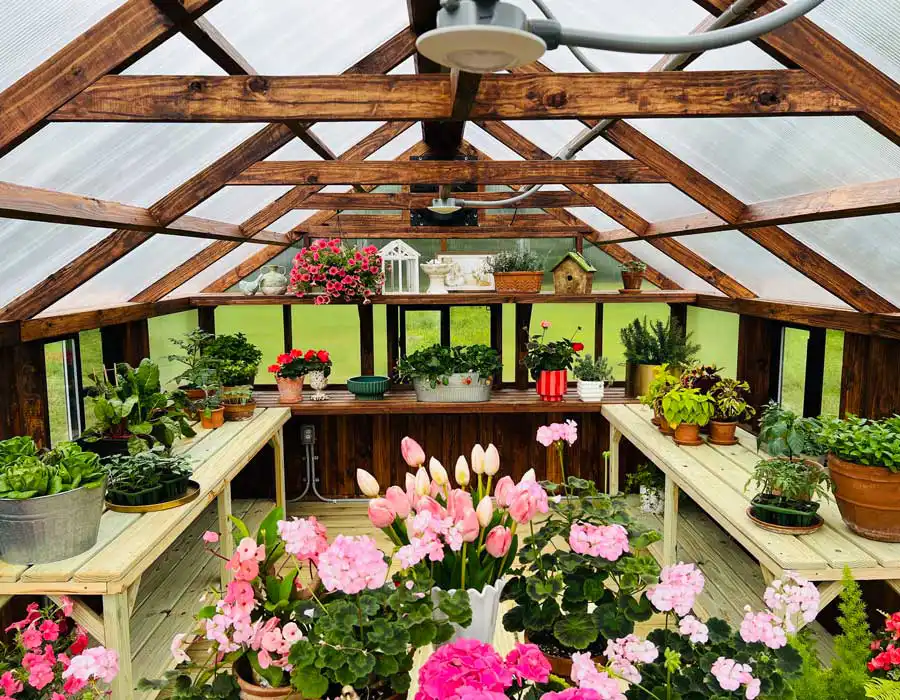
Traditional vegetable gardens remain beautiful and worthwhile, but more homeowners are also discovering the role a backyard greenhouse can play in growing food at home.
In many ways, the greenhouse is a natural evolution of the traditional victory garden.
An outdoor vegetable garden is largely dependent on the weather and the length of the local growing season. A greenhouse gives gardeners more control and can significantly expand what is possible.
Depending on your climate, greenhouse setup, and the crops you choose to grow, a backyard greenhouse can help you:
- Start vegetable seeds earlier in the season
- Protect seedlings from unpredictable spring weather
- Extend the vegetable growing season into fall and winter
- Protect plants from frost, hail and severe weather
- Reduce damage from deer and other wildlife
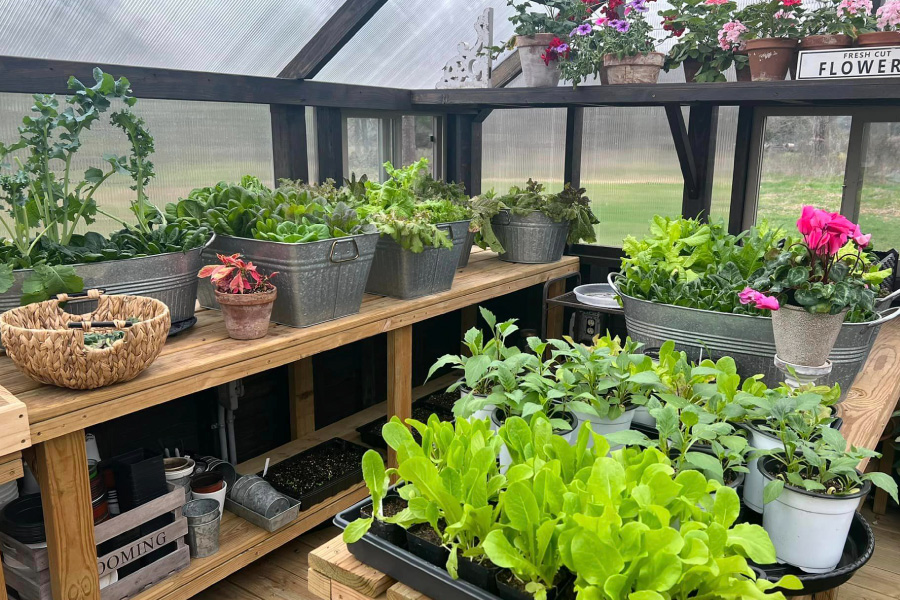
- Grow fresh herbs and greens beyond the traditional outdoor season
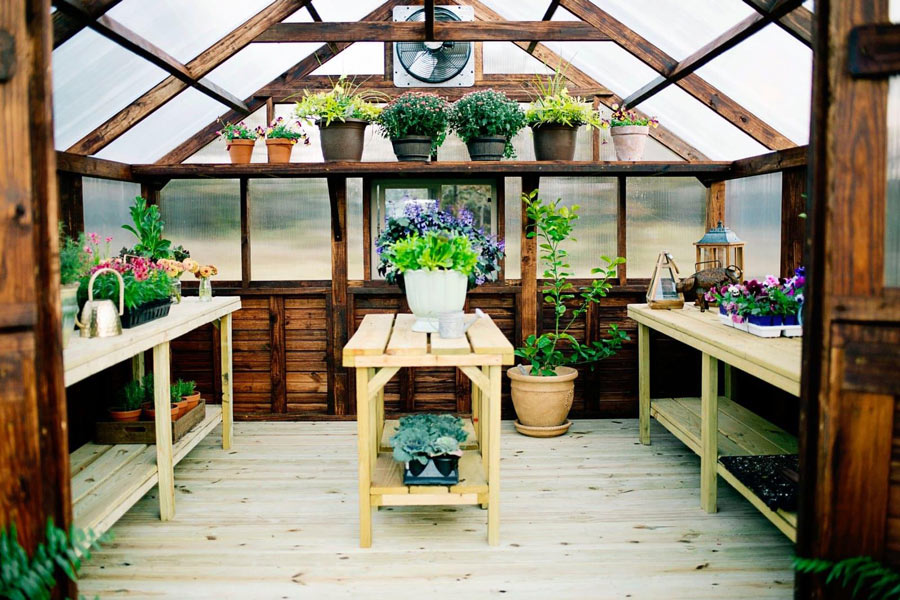
- Create a dedicated space for starting and growing food at home
For families interested in greenhouse vegetable gardening, those advantages can make home food production more reliable and enjoyable.
Growing Food at Home Can Also Change the Way Home Feels
What many people do not expect is how personal greenhouse ownership can become.
A backyard greenhouse may begin as a place to grow vegetables, but it often becomes one of the most loved spaces on the property.
There is a different rhythm inside a greenhouse. Seeds require patience. Tomatoes refuse to be hurried. Herbs grow on their own schedule.
In a culture that often rewards urgency, gardening asks something entirely different of us.
There is a quiet satisfaction in walking outside and gathering something you need for dinner. Snipping basil for pasta. Harvesting herbs for roasted vegetables. Picking tomatoes before a family meal.
It is practical, certainly.
But it is also a different way of experiencing home.
Perhaps that is one reason the grow-your-own-food movement continues to resonate. Home gardening offers something increasingly difficult to find in our everyday lives: the opportunity to slow down, work with our hands, watch something grow and enjoy the result.
Today's Backyard Greenhouse Is Built for More Than Seed Starting
For some people, the word greenhouse still brings to mind a temporary plastic structure or a large commercial growing operation.
Today's residential greenhouses can look very different.
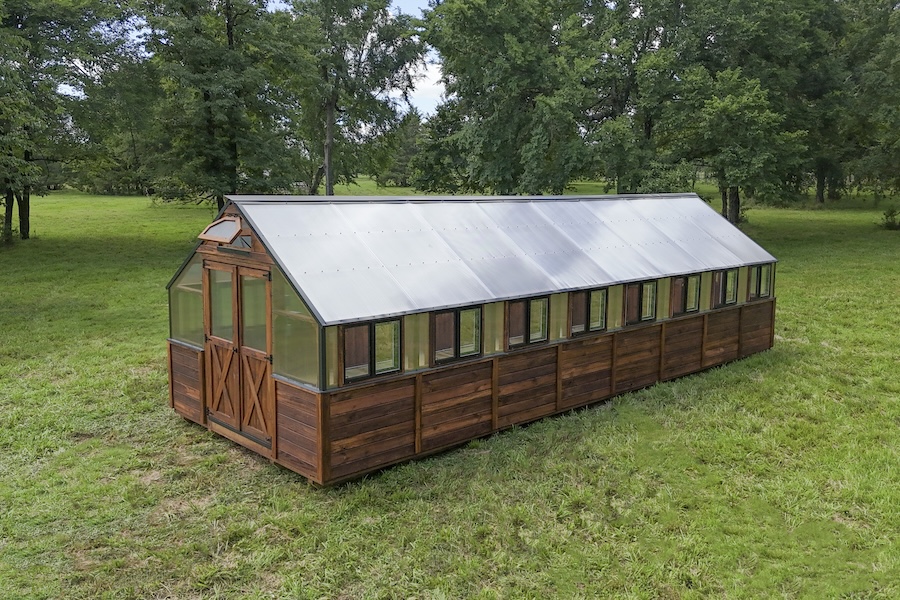
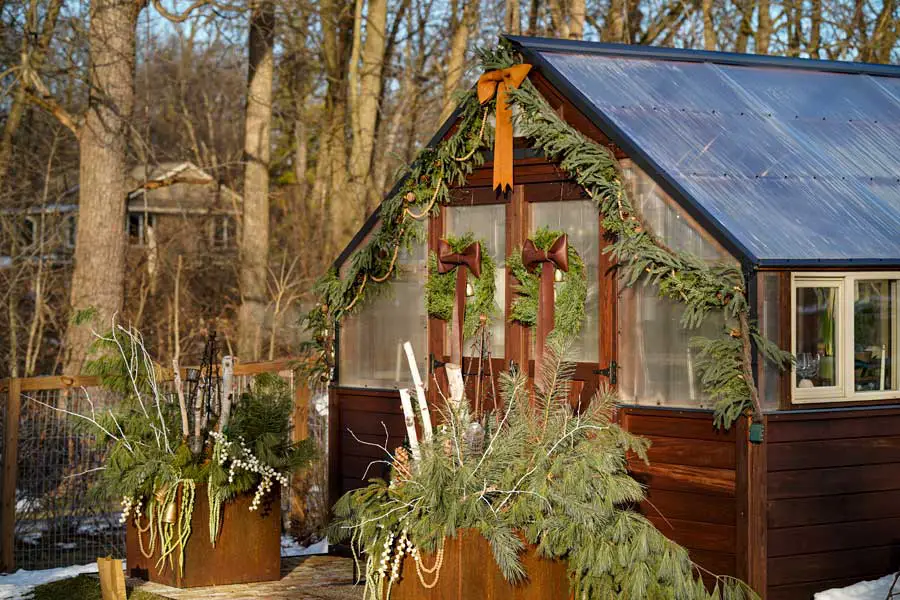
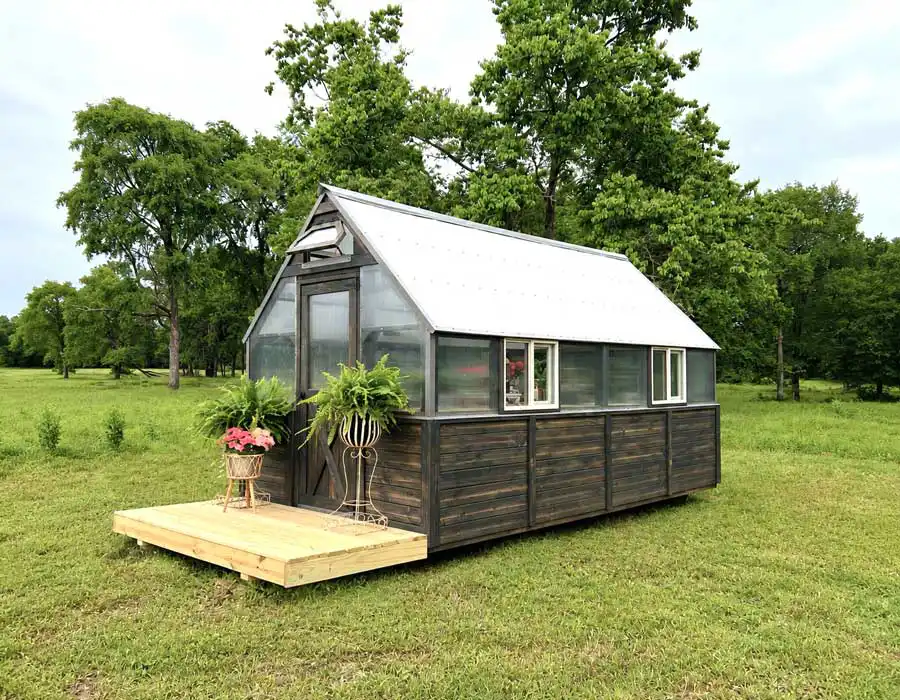
A thoughtfully designed greenhouse can become a permanent part of the landscape while still serving its most important purpose: creating a protected environment for growing.
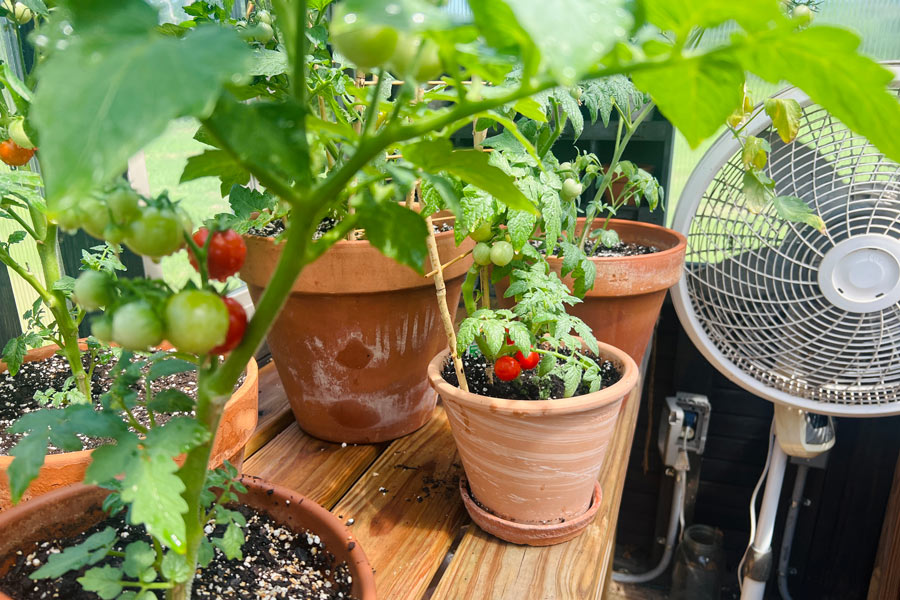
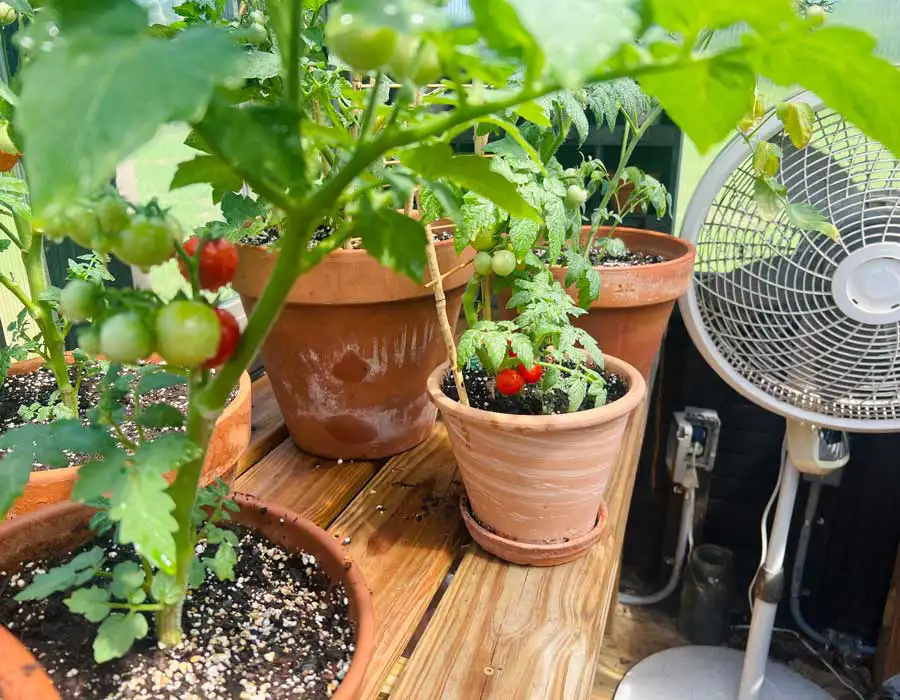
Some families fill their greenhouses with tomatoes, peppers and cucumbers. Others focus on herbs and leafy greens. Some use their greenhouse primarily for starting seeds before moving plants into a larger outdoor vegetable garden.
And many do a combination of all three.
The beauty of a modern victory garden is that there is no single correct way to create one.
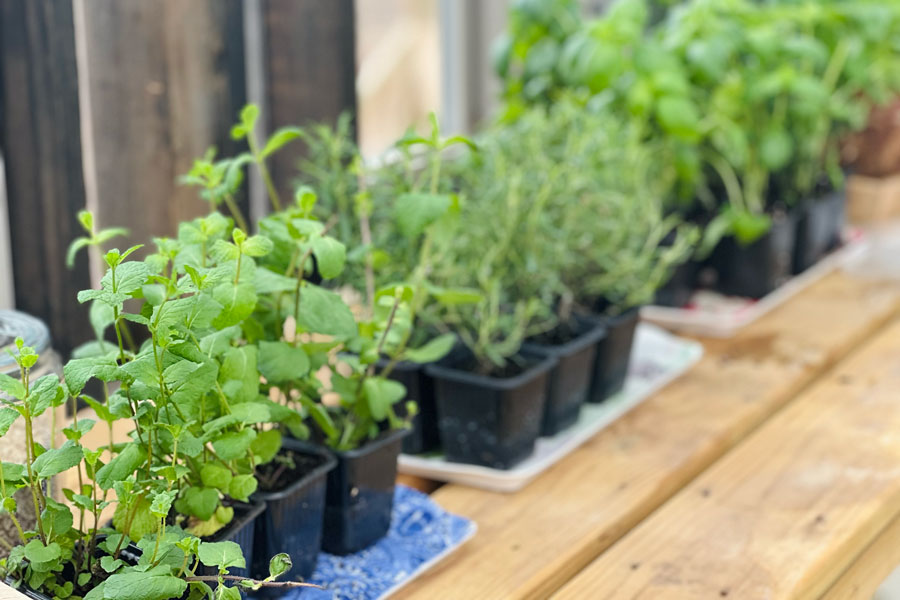
You Don't Need Acres of Land to Start a Modern Victory Garden
Perhaps the best thing about the return of the victory garden is that it makes growing food feel accessible again.
You do not need a farm.
You do not need acres of land.
And you certainly do not have to grow everything your family eats.
A tomato plant counts.
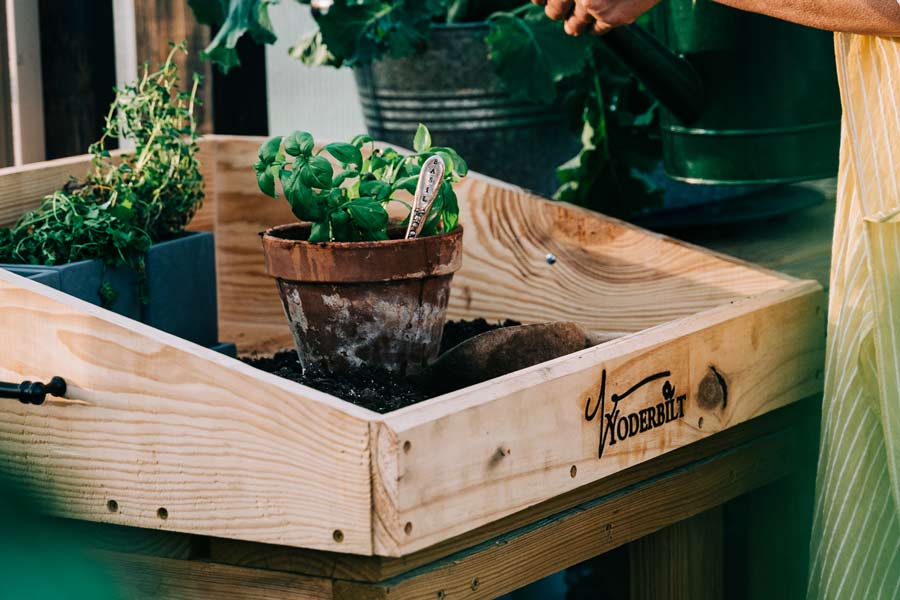
A pot of basil outside the kitchen counts.
A few raised beds count.
And for families who want to take the next step, a backyard greenhouse for growing vegetables can provide the space and protection to grow more and grow longer.
The goal does not have to be complete self-sufficiency.
Sometimes it is simply becoming a little more self-reliant than you were yesterday.
A Modern Victory Garden for Today's Family
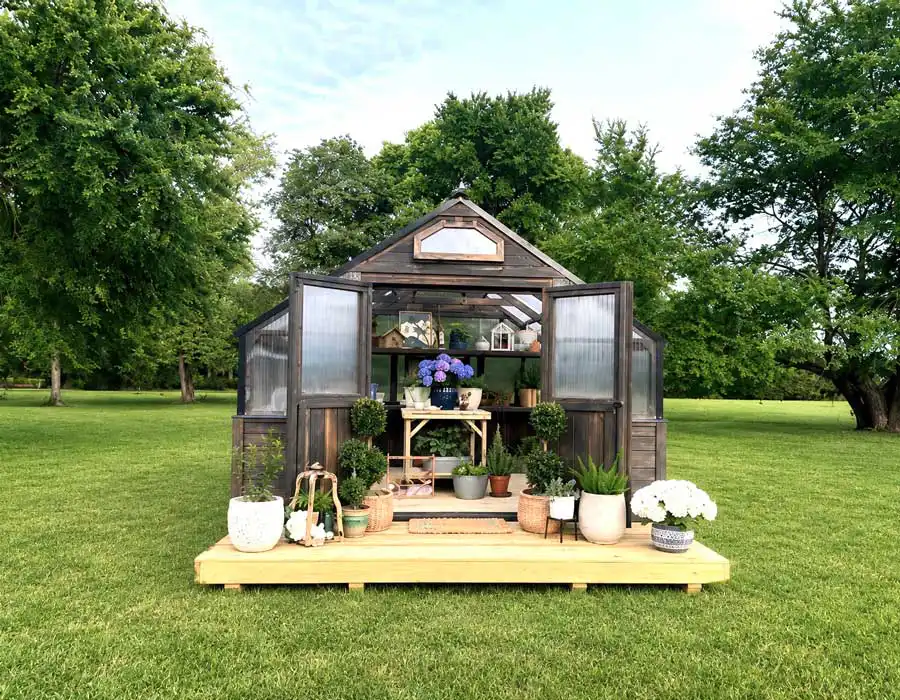
At Yoderbilt Greenhouses, we have watched families across the country create greenhouse spaces that combine gardening, homegrown food and everyday life.
For some, the dream begins with starting their own vegetable seedlings. For others, it is fresh lettuce in the colder months, homegrown tomatoes, an herb garden protected from the weather, or simply the desire to know exactly where some of their food comes from.
The reasons may be different, but they share something in common.
They want to grow.
That is why the return of the modern victory garden feels especially meaningful today.
It is not about fear, scarcity or pressure. It is about rediscovering something families have known for generations: there is value in knowing how to grow food.
And whether your modern victory garden begins with one tomato plant, a few raised beds, or a backyard greenhouse filled with vegetables, it represents a quiet return to something many of us have been missing all along: a deeper connection to our food, our homes, and the satisfaction of growing something ourselves.
Explore our photo gallery for even more inspiration to start planning your dream greenhouse!