Why Growing Your Own Food Matters and How a Greenhouse Changes Everything
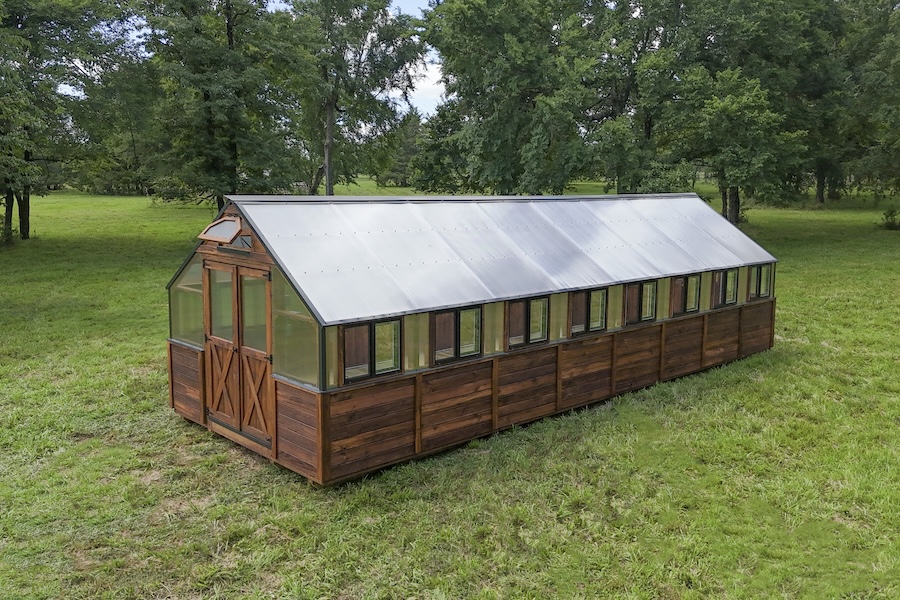
In recent years, gardens that offer something harvestable or visually interesting year-round have become a popular trend among gardeners. By combining edible plants, evergreen foliage, and ornamental winter plants, you can create a garden that stays vibrant no matter the season. A greenhouse can be an incredible asset in achieving this goal, allowing you to extend the growing season for many plants and add structure and warmth to your year-round garden strategy.
Designing for a Year-Round Harvest
When planning a year-round garden, it's essential to think through each season’s needs. Choose a mix of perennials, evergreens, and seasonal vegetables that will not only provide food but also add interest and texture to your garden throughout the year. Winter can showcase evergreens and hardy ornamental plants, while spring and summer highlight colorful blooms, leafy greens, and ripening vegetables.
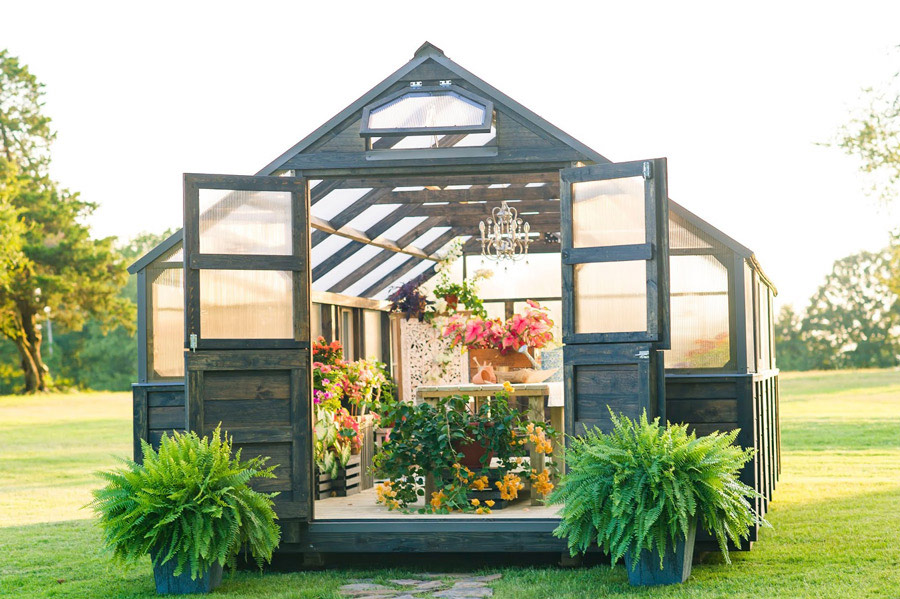
A greenhouse takes this concept to the next level, creating a dedicated space for plants that need extra warmth, protection from frost, or an extended growing season. This controlled environment can become a powerful hub for nurturing both delicate seedlings and more mature plants, especially in regions where outdoor growing seasons are limited by winter weather.
Using Your Greenhouse as the Garden’s Star from Late Summer to Early Summer
In certain gardening zones, especially where winters can be harsh, the greenhouse garden truly shines from late summer until early summer of the next year. Here’s how this seasonal rhythm typically unfolds:
1. Late Summer into Fall
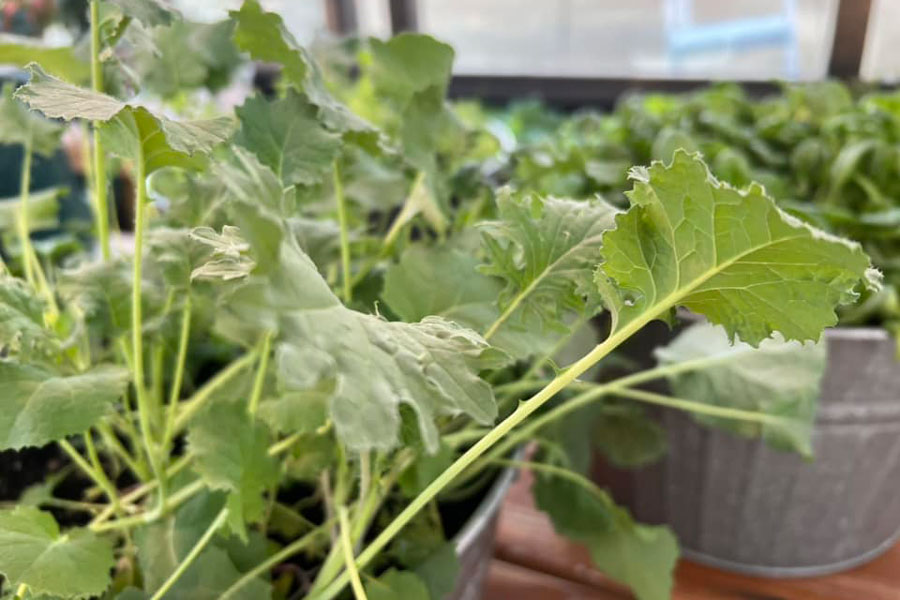
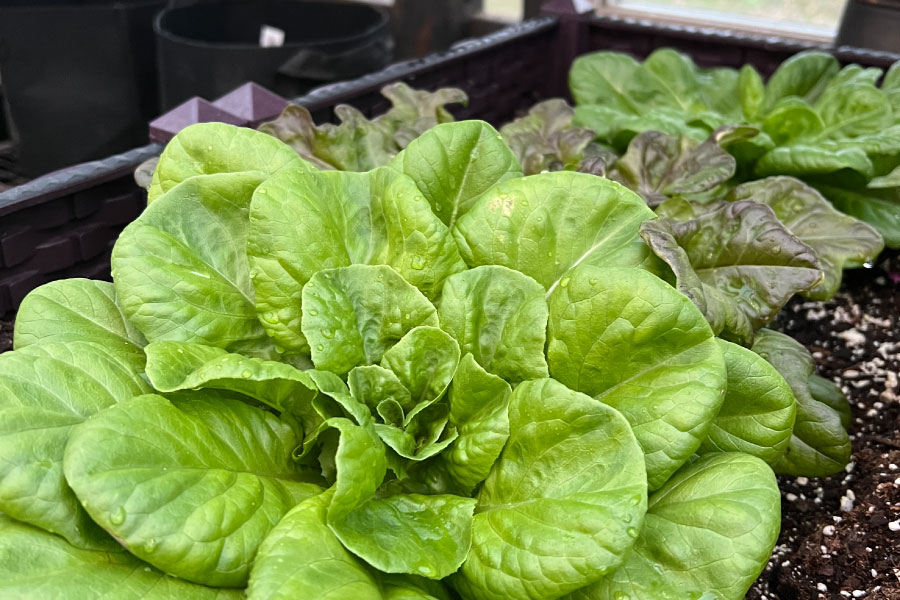
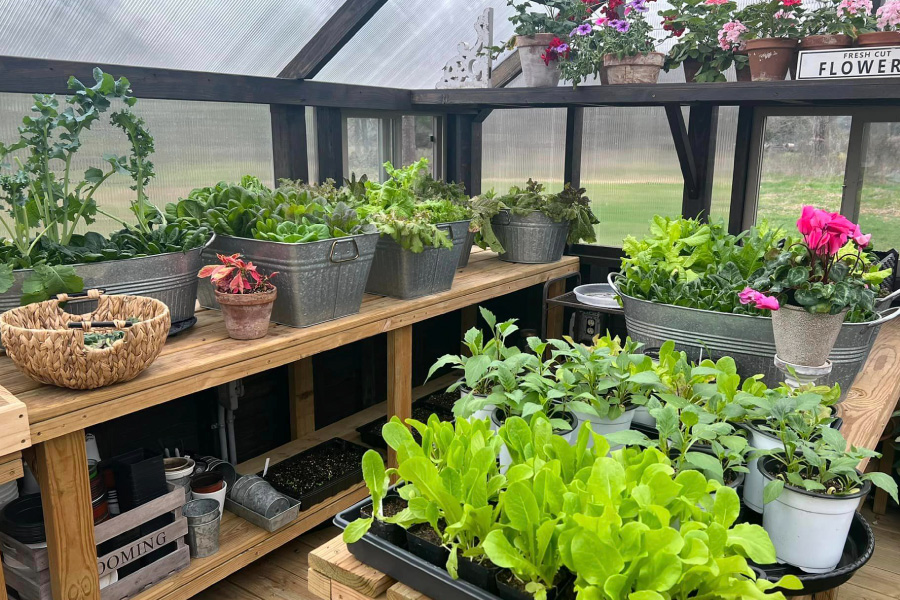
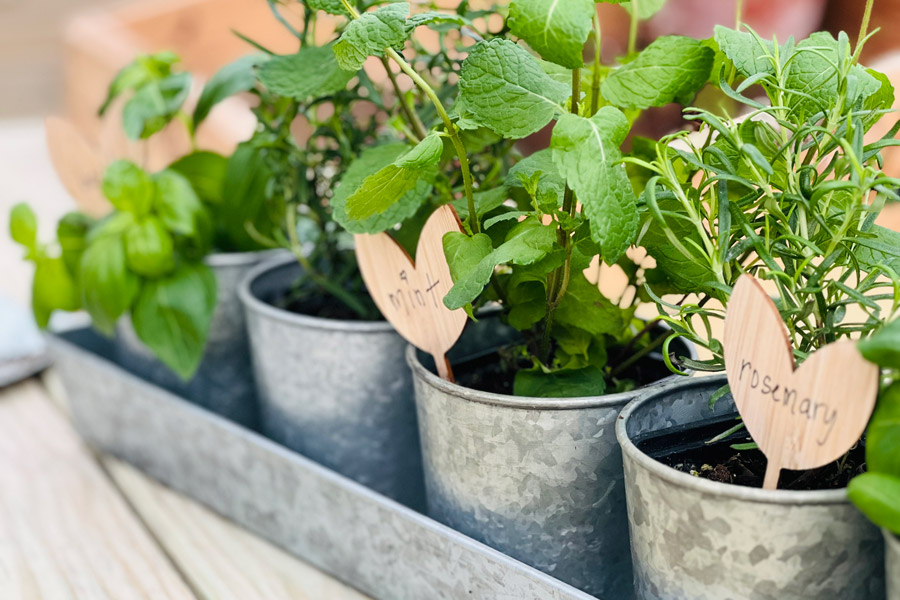
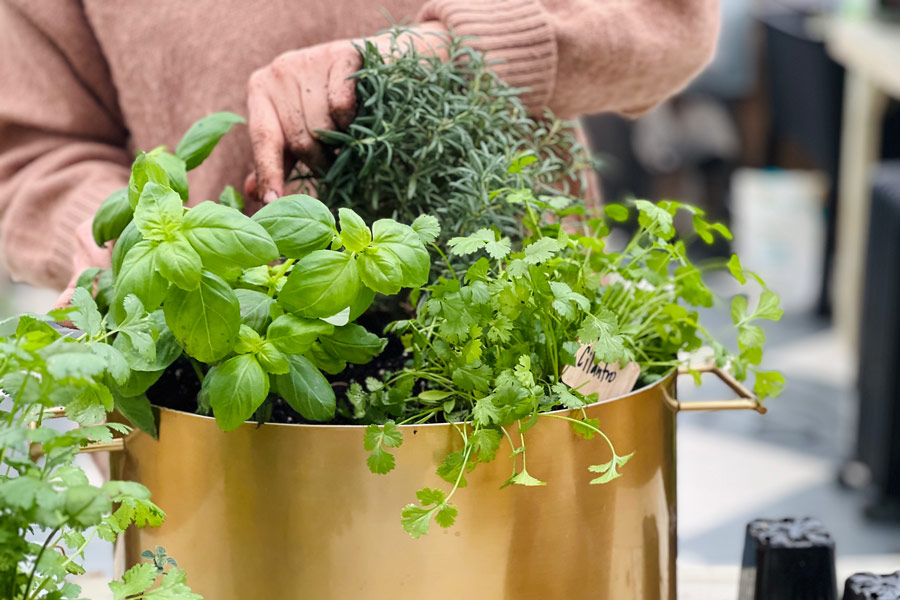
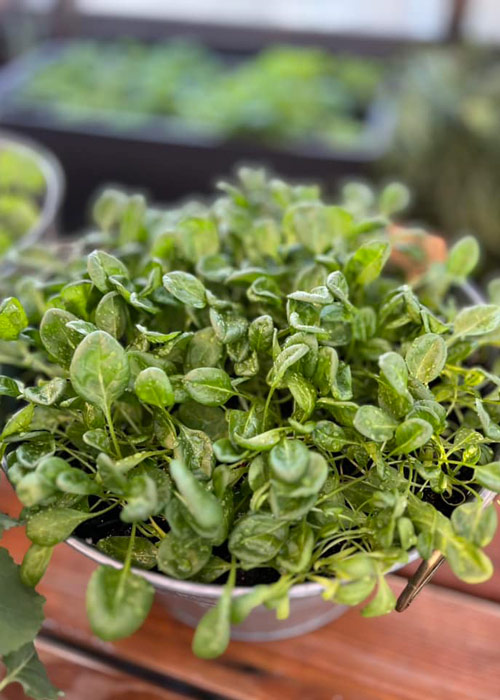
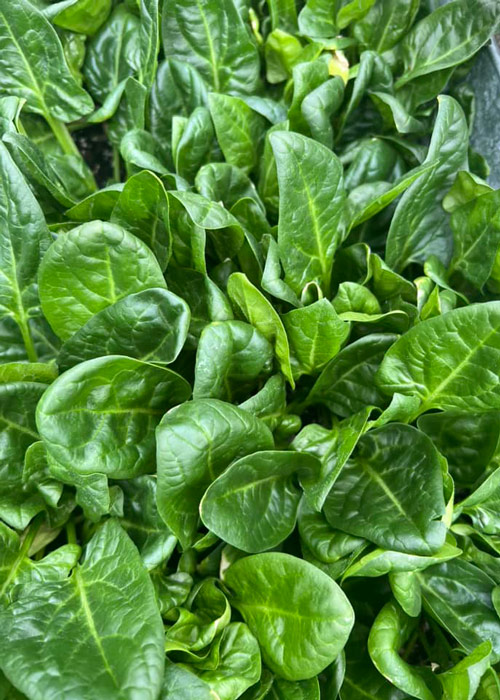
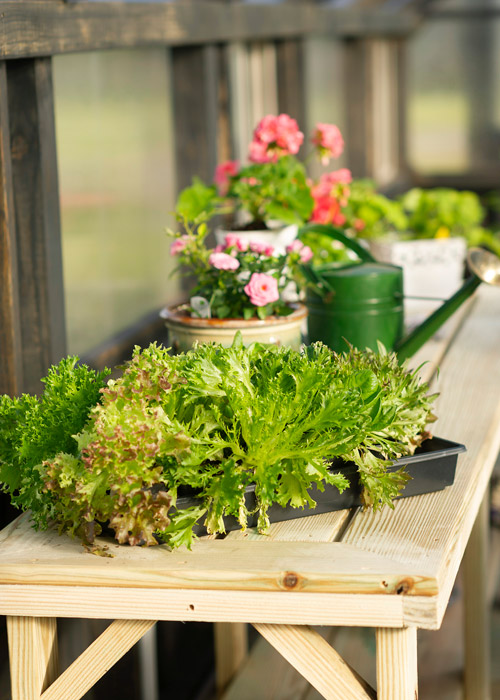
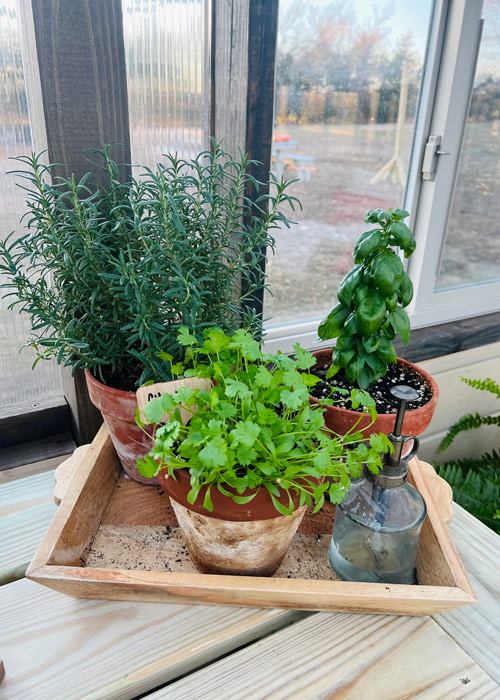
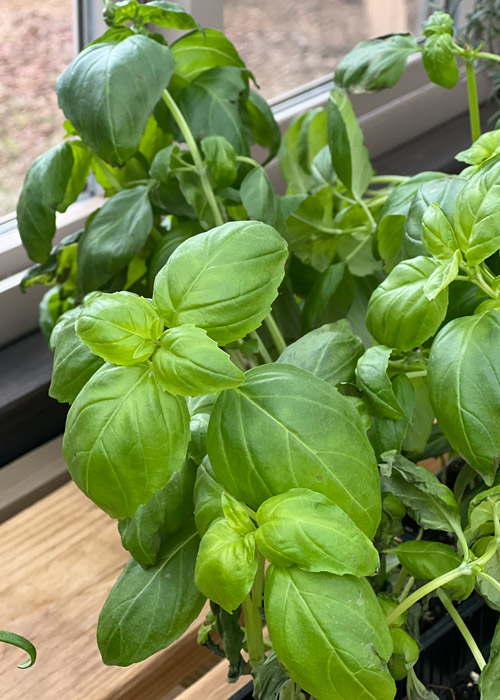
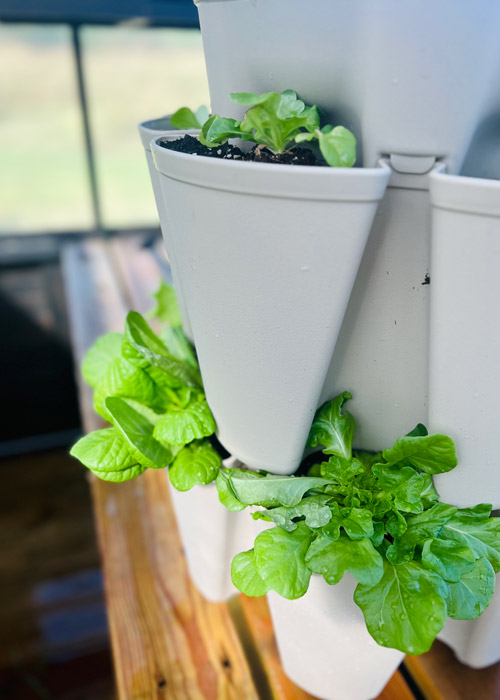
As outdoor temperatures start to cool, move tender plants that might not tolerate colder nights into the greenhouse. This can include herbs, tomatoes, and peppers, which will appreciate the extended warmth and sunlight in the greenhouse. At this time, you can also start planting cool-season crops from seed such as lettuce, spinach, and kale, which can thrive in the controlled environment.
2. Winter Gardening
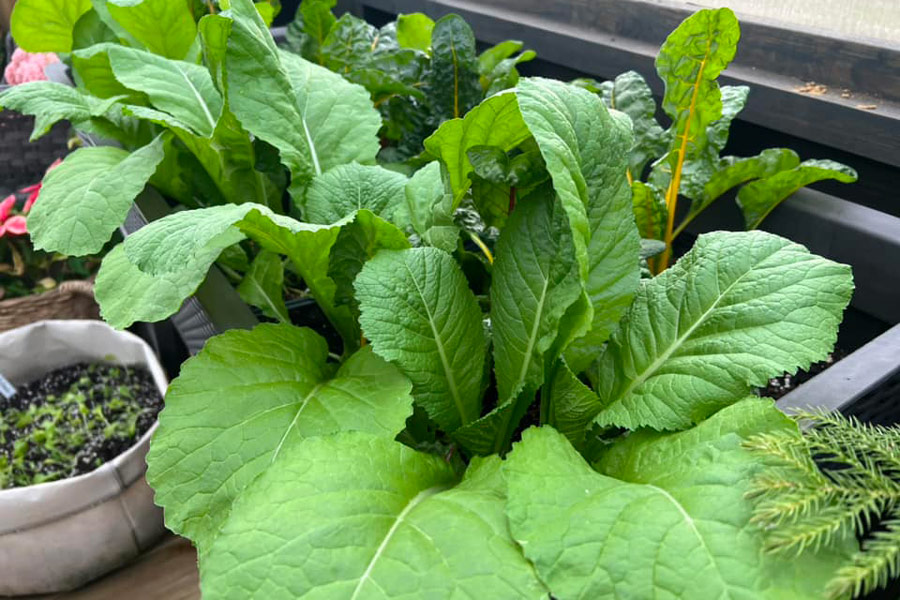
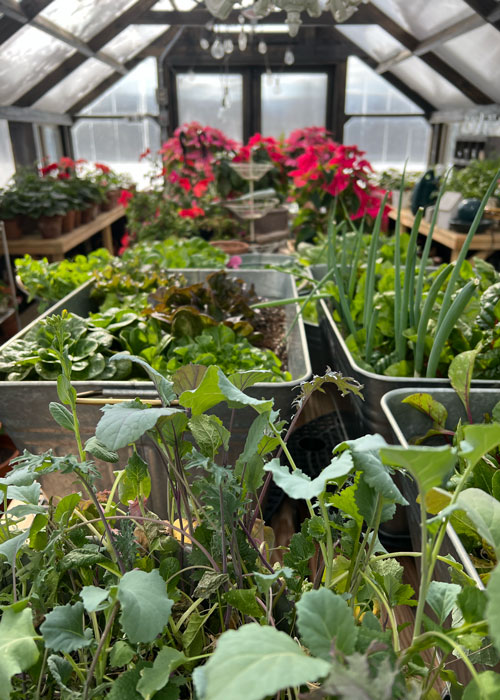
During winter, the greenhouse becomes a safe haven for overwintered plants. Leafy greens, root vegetables, and even some flowers can continue growing here. The consistent temperatures in the greenhouse allow you to harvest fresh produce even when the outdoor garden is dormant.
3. Early Spring
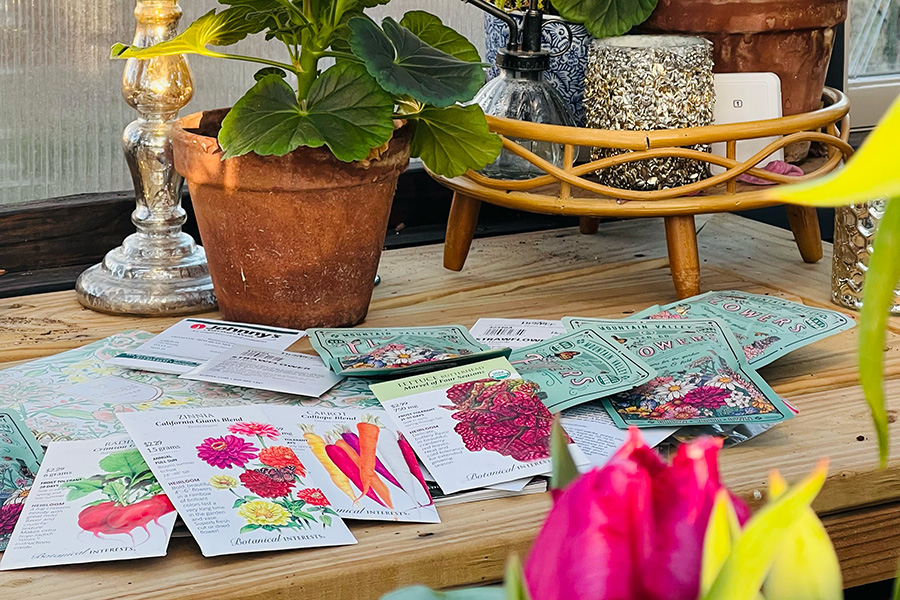
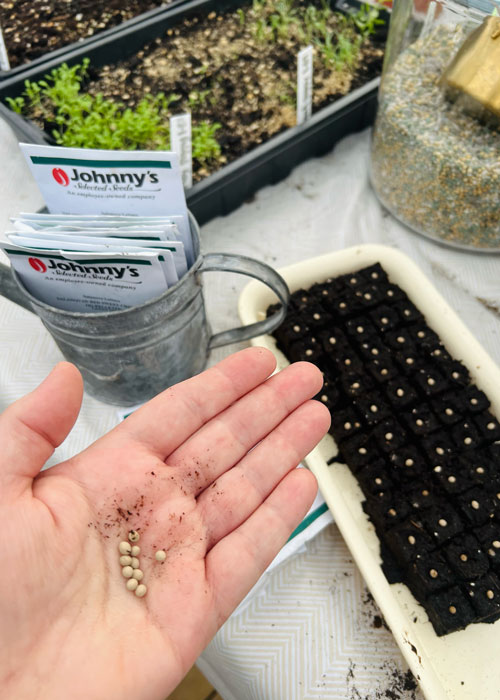
As the days get longer and warmer, start your summer crops from seeds in the greenhouse. Tomatoes, peppers, and other summer vegetables can be started early, allowing them to grow strong and healthy before the outdoor growing season begins. For gardeners in colder zones, this is invaluable for getting a jump start on the season.
4. Transitioning from Greenhouse to Outdoor Gardens
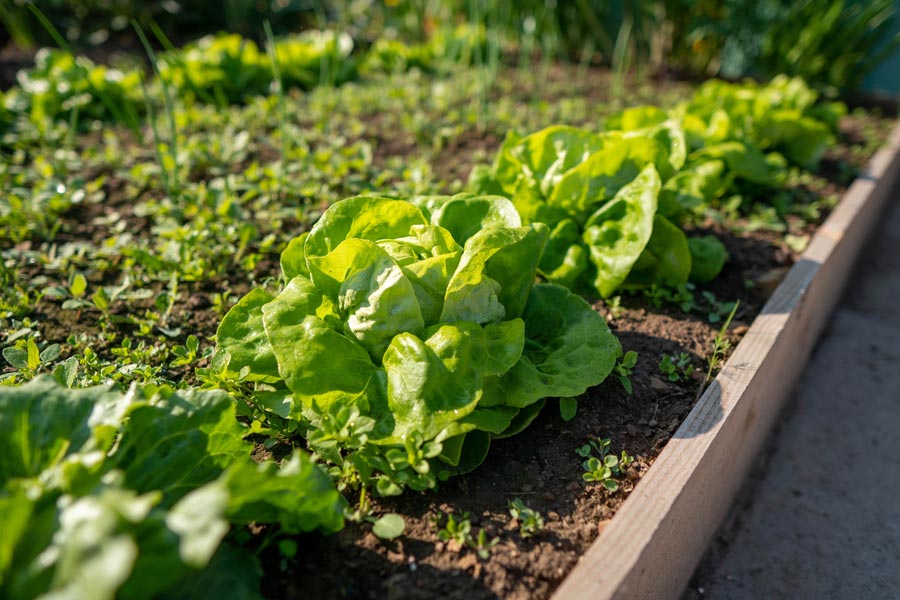
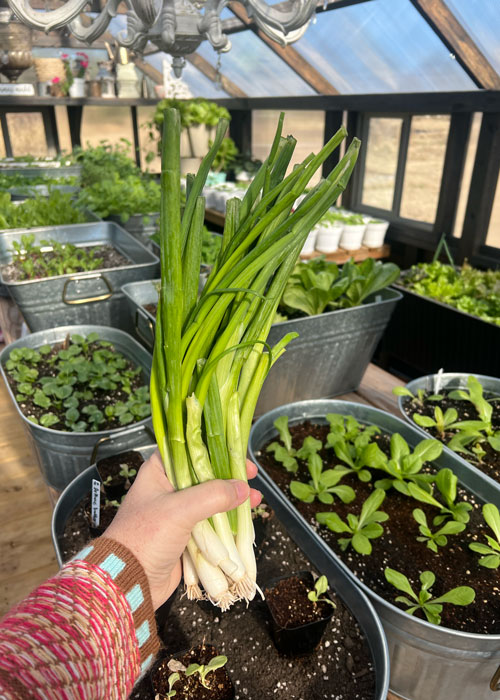
By late spring or early summer, your outdoor garden is ready to become the star again. Transplant seedlings and overwintered plants back outside to make space in the greenhouse for summer crops. These transitions maximize your harvests and keep the greenhouse from getting overcrowded during peak summer.
The Benefits of a Greenhouse for Year-Round Growing
- Extended Harvests: By growing plants in a greenhouse during colder months, you extend your garden’s productivity far beyond the typical growing season.
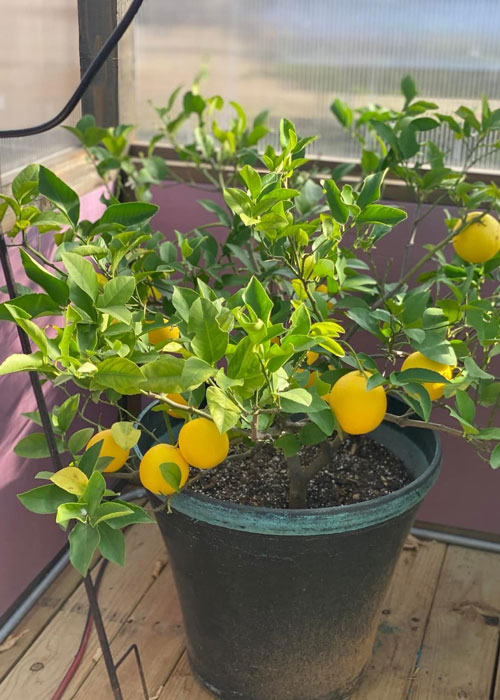
- Increased Variety: With a greenhouse, you can cultivate plants that might otherwise struggle in your zone, including exotic herbs or heat-loving vegetables.
- Reduced Pest Pressure: The controlled environment of a greenhouse offers added protection from many common pests and diseases.
- Seedling Nursery: A greenhouse provides the perfect space for nurturing delicate seedlings, allowing for stronger plants when transplanting outdoors.
Plant Selection for Year-Round Harvest Garden
To keep your garden interesting throughout the year, select plants that align with each season:
- Spring and Summer: Fast-growing vegetables, flowering annuals, and warm-weather herbs
- Fall: Hardy greens, root vegetables like carrots and beets, and herbs that thrive in cooler temperatures
- Winter: Evergreen shrubs and ornamental grasses that add texture and structure, alongside winter-blooming flowers or winter vegetables like kale and collards.
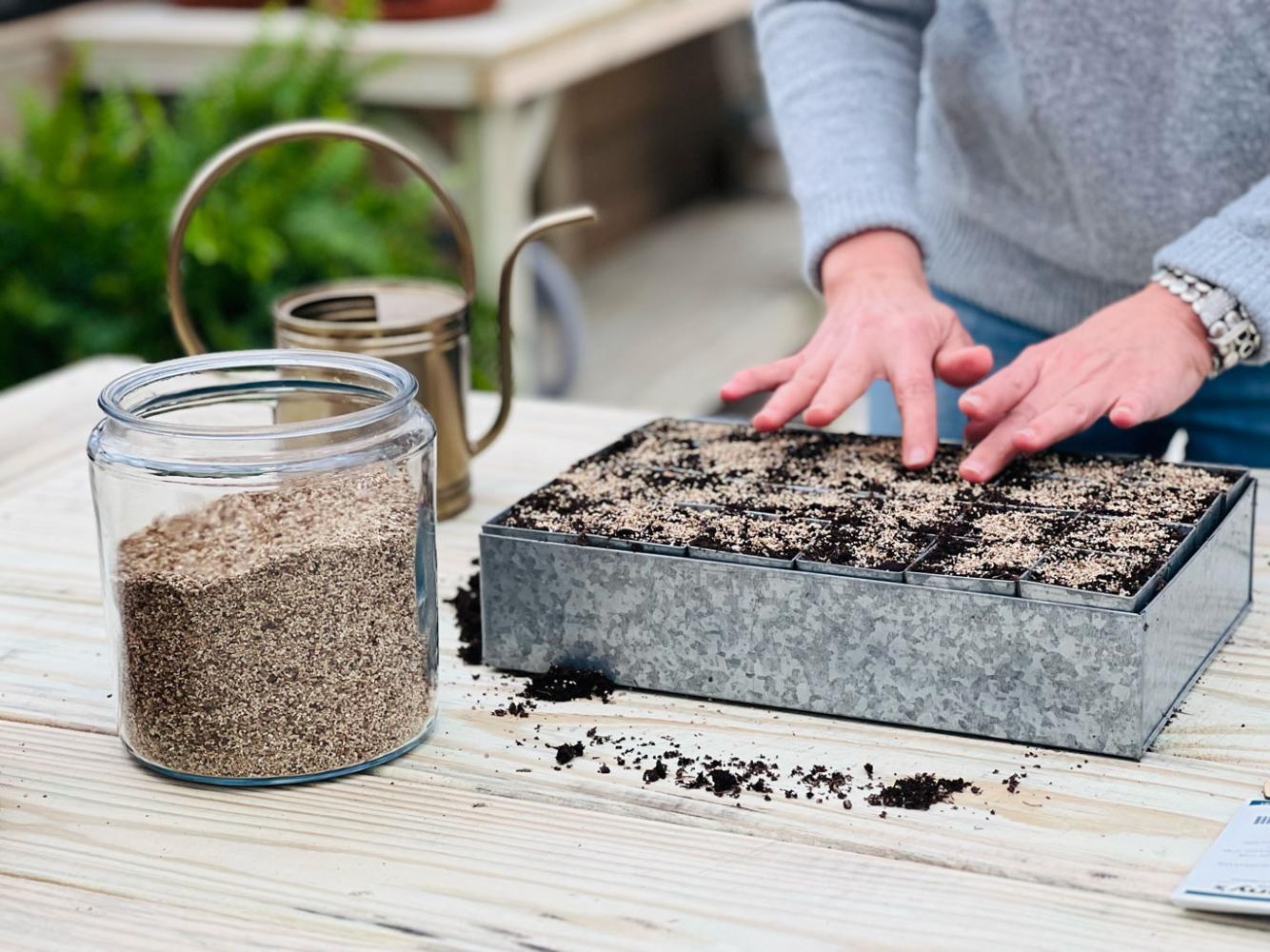
For those passionate about fresh food and garden beauty all year, a greenhouse offers the best of both worlds: a space to cultivate tender plants during cold months and a seed-starting haven as spring approaches. It’s a commitment that transforms gardening into a year-round lifestyle, with a constant rotation of plants that keeps your garden dynamic, beautiful, and productive every day of the year.