When to Start Seeds in a Greenhouse
A Practical Guide to Starting Seeds Earlier and Growing a Stronger Garden
Every gardener knows the feeling.
It might still be cold outside. The garden beds may look empty. But inside the house, or better yet, inside a greenhouse — seed packets are being opened and trays are beginning to fill.
For many gardeners, the real start of the season happens long before spring planting day.
It starts with seeds.
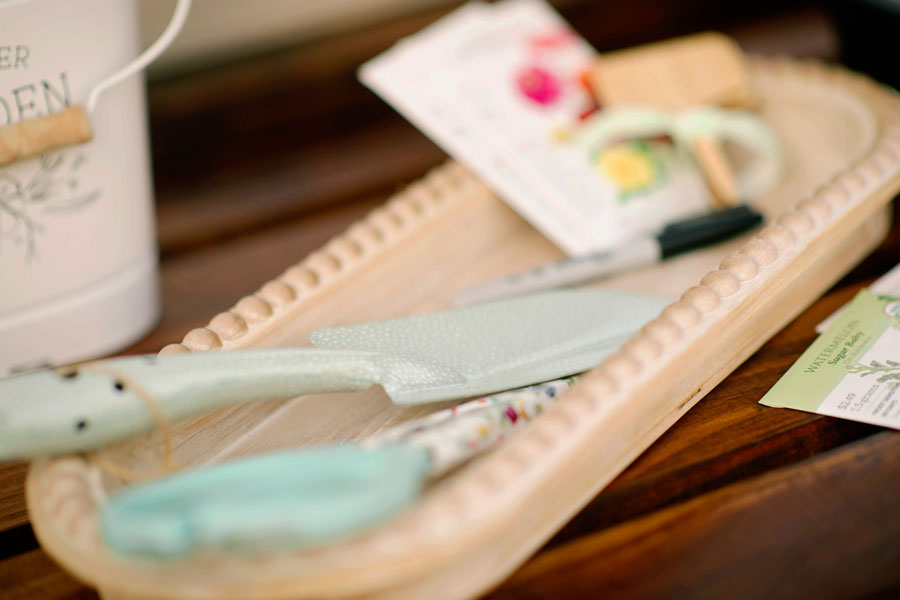
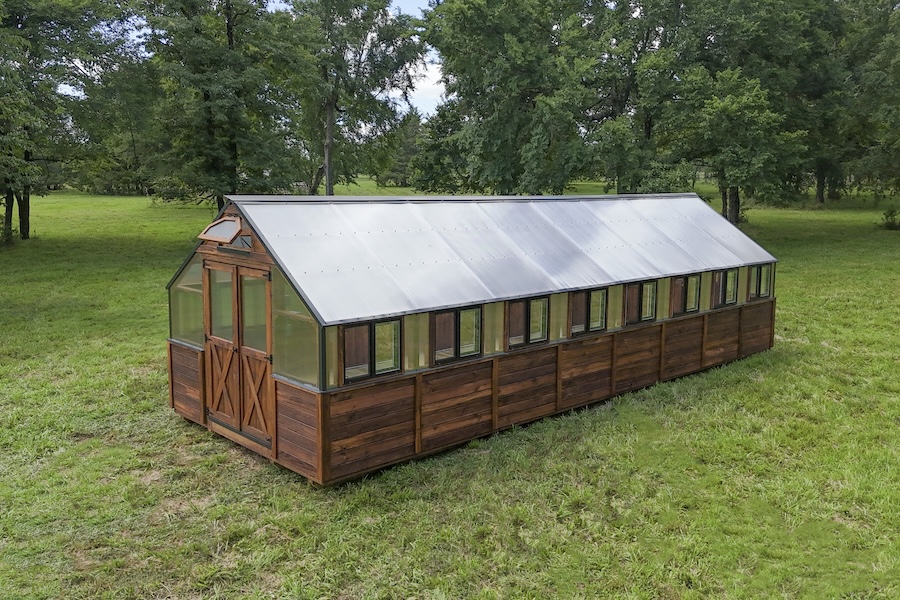
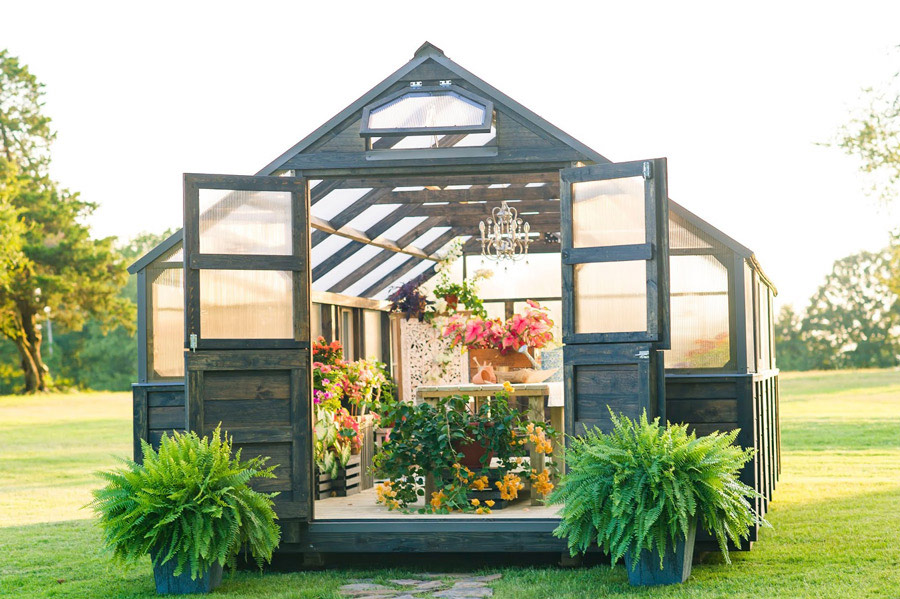
Starting seeds in a greenhouse allows gardeners to get a jump on the growing season, grow stronger plants, and extend their harvest window far beyond what outdoor gardens allow. Most seeds are commonly started about six weeks before the last frost date, though exact timing depends on the plant and local climate. (Almanac)
And once you experience a greenhouse full of young seedlings waking up while winter is still lingering outside… it changes the way you garden forever.
Why Gardeners Start Seeds in a Greenhouse
A greenhouse creates one of the best environments possible for young plants.
Instead of battling wind, cold soil, and unpredictable weather, seedlings grow in a protected space where temperature, moisture, and airflow are easier to manage.
This protection allows gardeners to:
- start seeds earlier
- grow stronger transplants
- protect delicate seedlings
- extend the entire gardening season
Because conditions are more stable, seeds often germinate more reliably and young plants grow faster than they would outdoors.
For many gardeners, the greenhouse becomes the place where the entire growing season quietly begins.

When to Start Seeds in a Greenhouse (Quick Guide)
Knowing when to start seeds in a greenhouse depends largely on your local last frost date.
Gardeners across the country experience very different growing seasons. Someone gardening in Arkansas may begin seed starting weeks earlier than someone gardening in the northern Midwest or Northeast.
Instead of following a fixed calendar, experienced gardeners use a simple method:
Count backward from your last frost date.
For example, if you're planting tomatoes, you'll want to start your seeds 6-8 weeks before the last frost.
| Peppers | 8-10 weeks before last frost |
| Cucumbers | 3-4 weeks before last frost |
| Flowers | 6-10 weeks before last frost |
Seed Starting by USDA Growing Zone
While counting backward from your last frost date is the most reliable way to plan your seed starting schedule, many gardeners also use their USDA growing zone as a general guide.
Growing zones give a rough picture of how long the gardening season lasts in different parts of the country. Gardeners in warmer southern regions often begin seed starting weeks earlier than gardeners in colder northern climates.
Because Yoderbilt Greenhouses serve gardeners across many different states and climates, we see this difference every year.
Some greenhouses are waking up while others are still waiting on winter to loosen its grip.
Below is a simple guideline many gardeners use as they begin planning their greenhouse seed starting season.
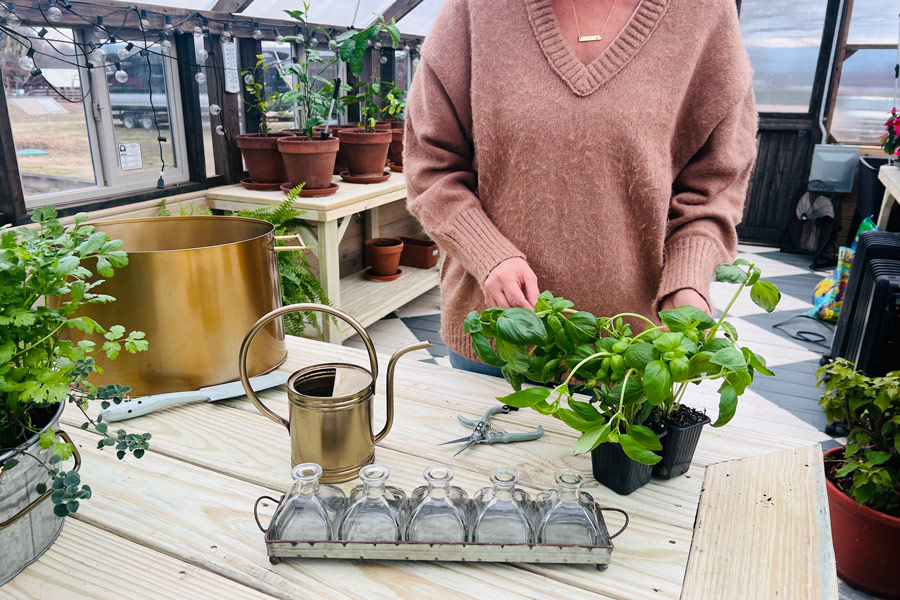
Zones 3–4
(Northern Midwest and colder northern regions)
In colder climates, greenhouse seed starting often begins later in the winter.
Typical seed starting window: Late February to March
Gardeners commonly start:
- onions
- leeks
- early herbs
- cool-season greens
Tomatoes and peppers are usually started mid-to-late March depending on the local frost date.
Because winters are longer in these zones, the greenhouse becomes especially valuable for giving plants the early start they need before the short growing season begins.
Zones 5–6
(Midwest, Mid-Atlantic, and parts of the Northeast)
Many gardeners in these zones begin greenhouse seed starting in February.
Typical greenhouse seed starting schedule:
- February — onions, herbs, early greens
- Early March — tomatoes and peppers
- Late March — cucumbers and flowers
The greenhouse allows gardeners in these regions to get several weeks ahead of outdoor planting season.
Zones 7–8
(Arkansas, Tennessee, Oklahoma, and much of the South)
Gardeners in these regions often begin seed starting earlier than many people expect.
Typical timing: Late January to early February
Common early greenhouse seeds include:
- tomatoes
- peppers
- snapdragons
- stock flowers
- early herbs
Because winters are milder, many greenhouses in these zones stay active almost all year long, shifting from seed starting in winter to heat management during the summer months.
Zones 9–10
(Southern coastal regions and warmer climates)
In the warmest parts of the country, greenhouse seed starting can begin as early as December or January.
Gardeners in these climates often use their greenhouse less for frost protection and more for temperature control and plant management during both winter and summer.
Seed starting may happen in waves throughout the year depending on the crops being grown.
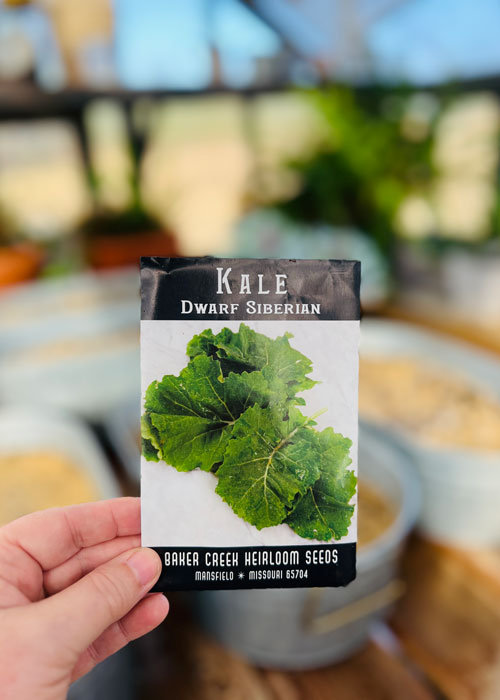
Why Frost Dates Still Matter Most
While growing zones provide a helpful starting point, the local last frost date remains the most important factor when planning your seed starting schedule.
Even gardeners living in the same USDA zone may have slightly different frost dates depending on elevation, local weather patterns, and microclimates.
That’s why experienced greenhouse gardeners usually combine both approaches:
- checking their local frost date
- adjusting based on their growing zone
Over time, many gardeners develop their own rhythm for when to begin seed starting each year.
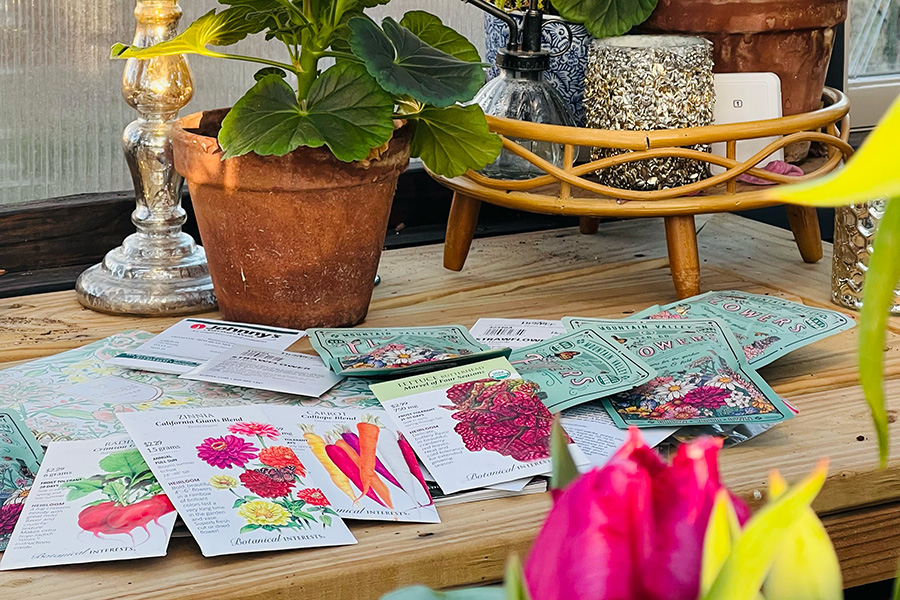
And for many greenhouse owners, that moment arrives long before the outdoor garden is ready — when trays of soil are filled, seed packets are opened, and the quiet work of a new growing season begins again.
What Seeds Should You Start First in a Greenhouse?
For gardeners who are new to greenhouse seed starting, it can be helpful to begin with a few plants that germinate quickly and grow reliably.
Some seeds are naturally more forgiving than others, making them perfect for learning the rhythm of watering, airflow, and temperature inside a greenhouse.
A few great beginner seeds to start in a greenhouse include:
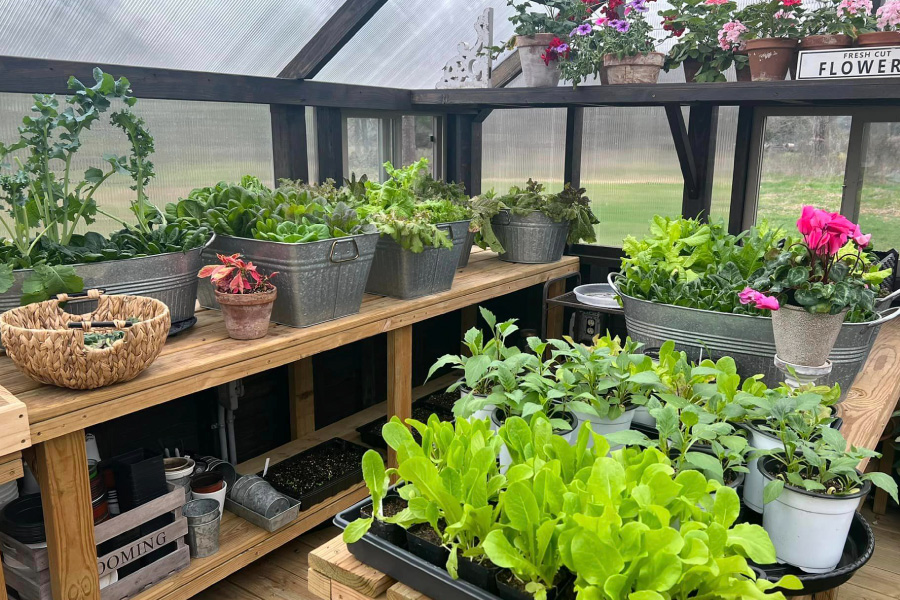
- lettuce
- spinach
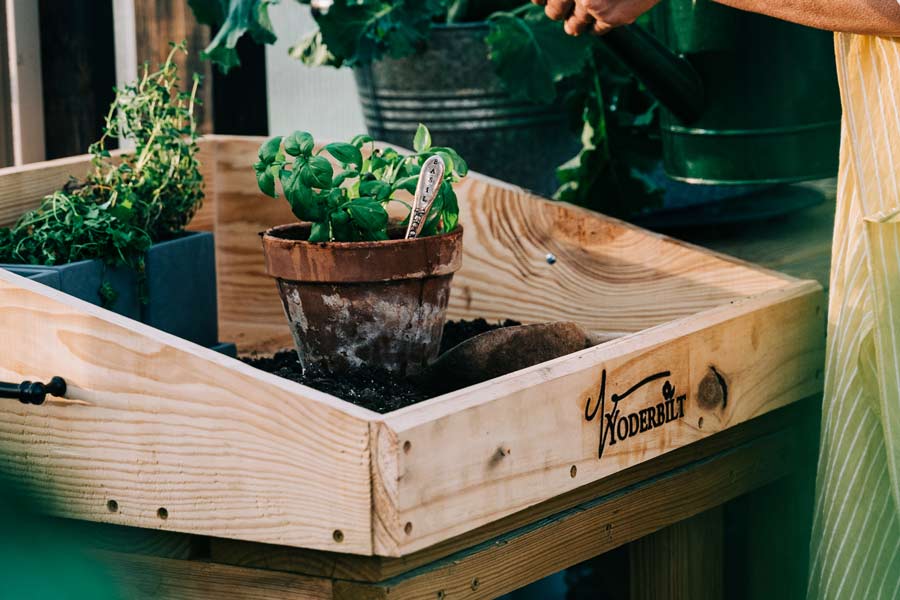
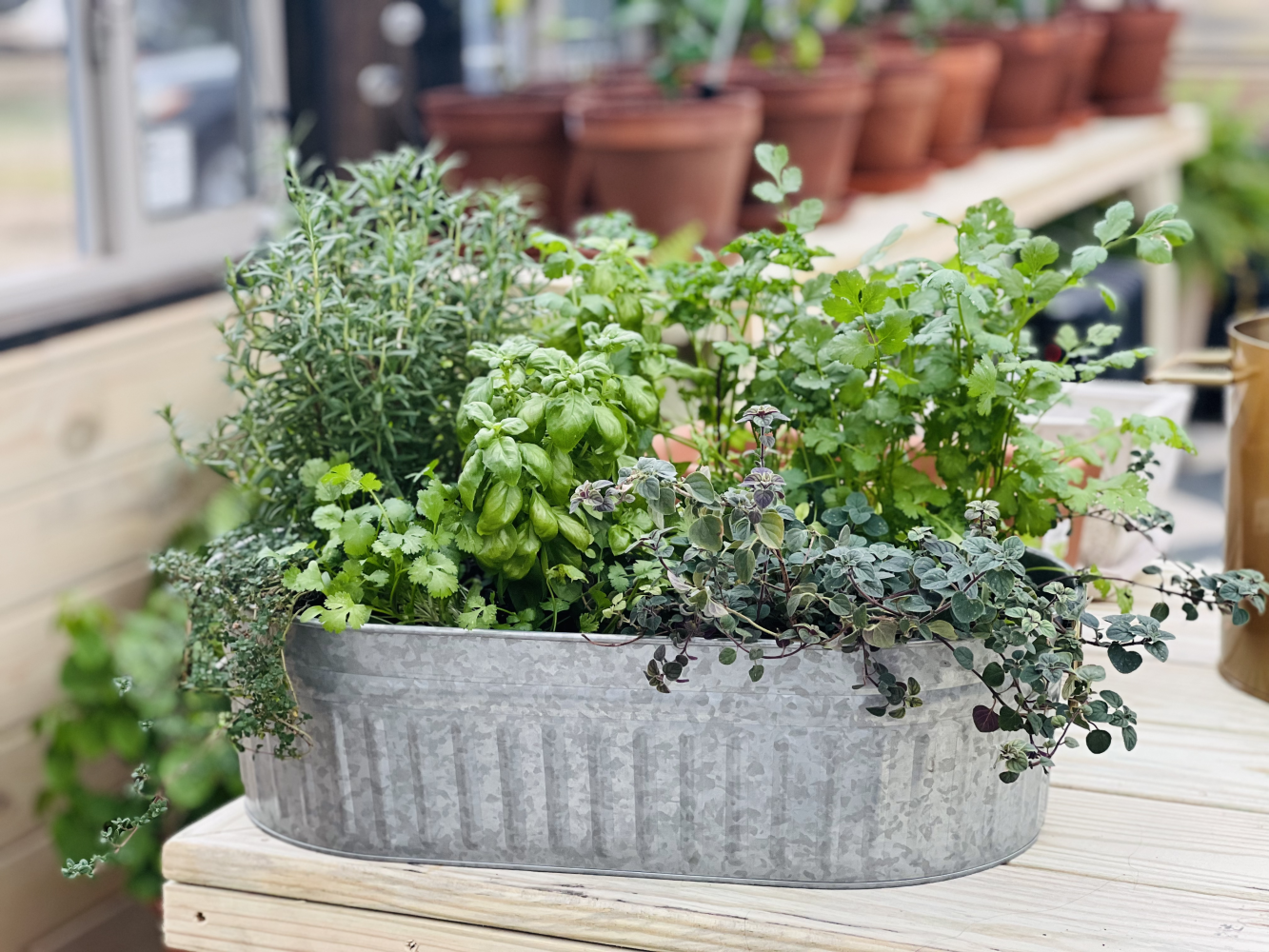
- basil
- cucumbers
- cherry tomatoes
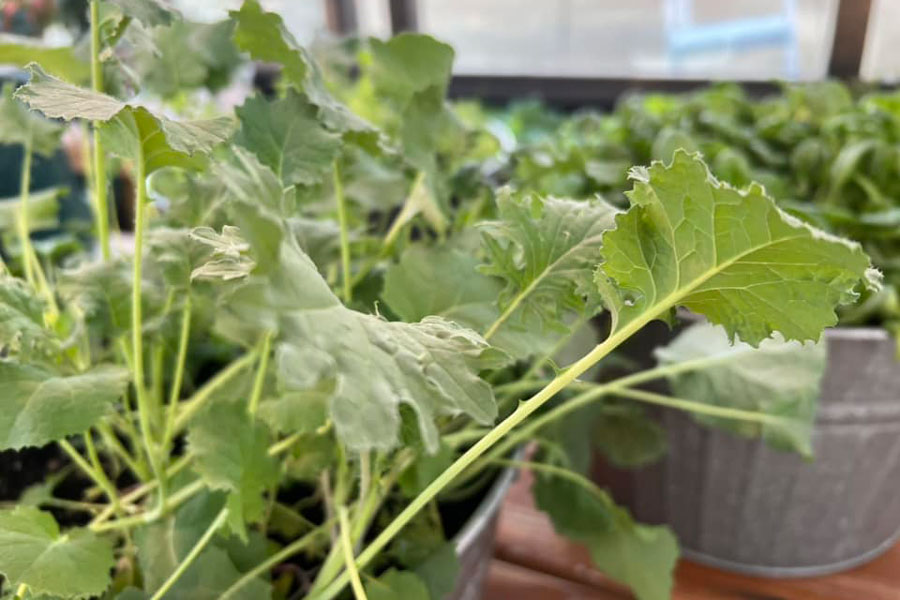
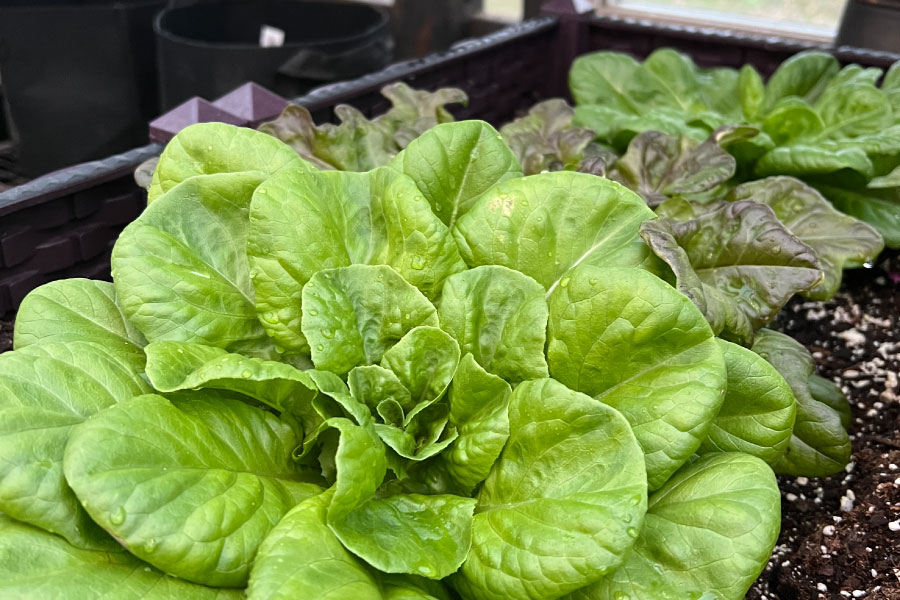
Leafy greens like lettuce and spinach often germinate quickly and tolerate cooler greenhouse temperatures, which makes them ideal for early seed starting.
Herbs like basil and fast-growing vegetables like cucumbers also respond well to greenhouse conditions and typically show visible growth within a short time.
Starting with a few easy crops allows gardeners to build confidence while learning how their greenhouse environment behaves throughout the early part of the growing season.
Before long, many gardeners find themselves filling trays with dozens of varieties each spring.
Tips for Successful Greenhouse Seed Starting
A few simple practices can make greenhouse seed starting much more successful.
Maintain Warm Soil
Most seeds germinate best between 70–75°F.
Provide Good Airflow
Fans or open vents help prevent mold and strengthen plant stems.
Use Quality Seed-Starting Mix
Light soil allows delicate roots to develop easily.
Water Consistently
Seedlings need consistent moisture but should never sit in soggy soil.
Common Seed Starting Mistakes
Even experienced gardeners make a few mistakes early in the season.
Some of the most common include:
- starting seeds too early
- overcrowding trays
- poor airflow
- inconsistent watering
- insufficient light
Fortunately, these mistakes become easier to avoid as gardeners learn the rhythm of their greenhouse.
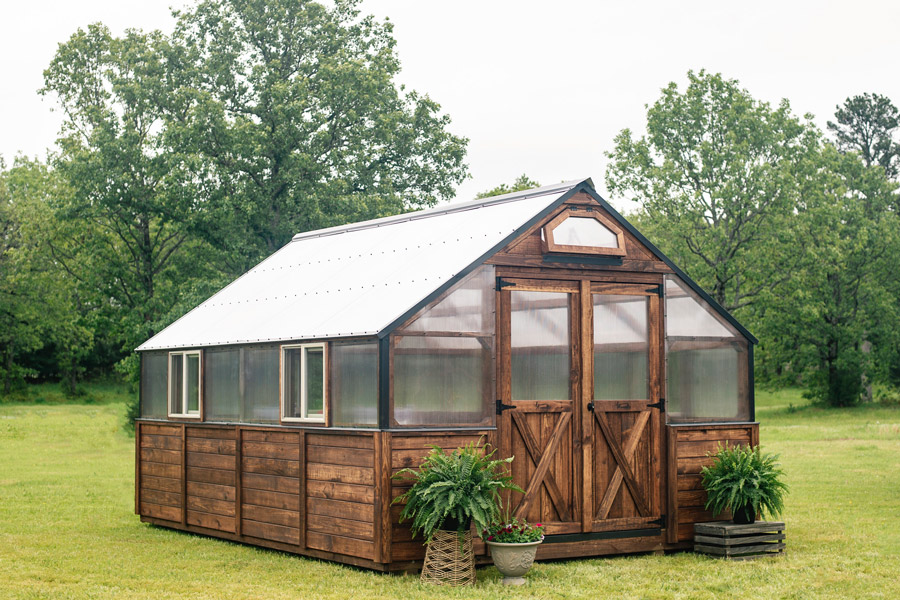
Starting seeds in a greenhouse is one of the most rewarding parts of the gardening season. Once gardeners understand when to start seeds in a greenhouse, the entire growing season begins to feel longer and more productive.
It allows gardeners to begin growing while winter is still fading and gives plants a strong head start before outdoor planting begins.
And for many people, the greenhouse becomes more than just a place to grow plants.
It becomes the place where each gardening season quietly begins.
Step inside early in the year, surrounded by trays of tiny seedlings reaching toward the light, and it’s easy to understand why so many greenhouse owners say the same thing after their first full season:
“I wish we had ordered this years ago.”