A Beginner’s Guide to Organic Greenhouse Gardening
Grow cleaner, greener, and more confidently — from seed to harvest.
There’s something deeply satisfying about stepping into a greenhouse where everything has been nurtured naturally — no synthetic fertilizers, no harsh chemicals, just good old-fashioned soil, sunshine, and care.
That’s the heart of organic greenhouse gardening.
But if you're just starting out, the idea of “going organic” can feel overwhelming. What products are safe? How do you control pests? Is it really possible to grow a thriving greenhouse garden without chemicals?
The short answer? Absolutely. And I’ll walk you through how.
What is Organic Greenhouse Gardening?
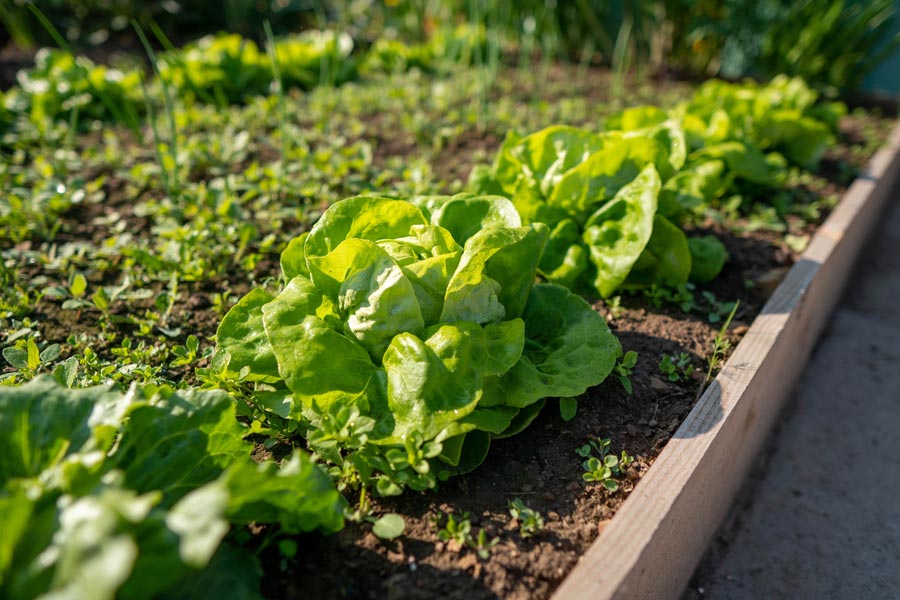
Organic gardening in a greenhouse means growing plants in a way that mimics natural systems — using organic seeds, compost, natural fertilizers, and pest control methods that don’t rely on synthetic chemicals.
The goal is to create a self-sustaining ecosystem inside your greenhouse that works with nature rather than against it.
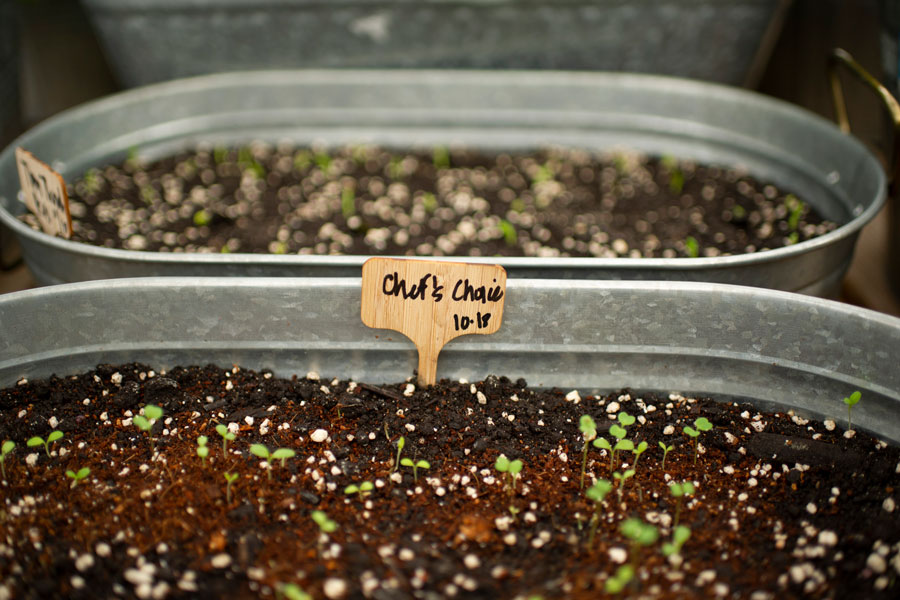
Step 1: Start With Organic Seeds or Seedlings
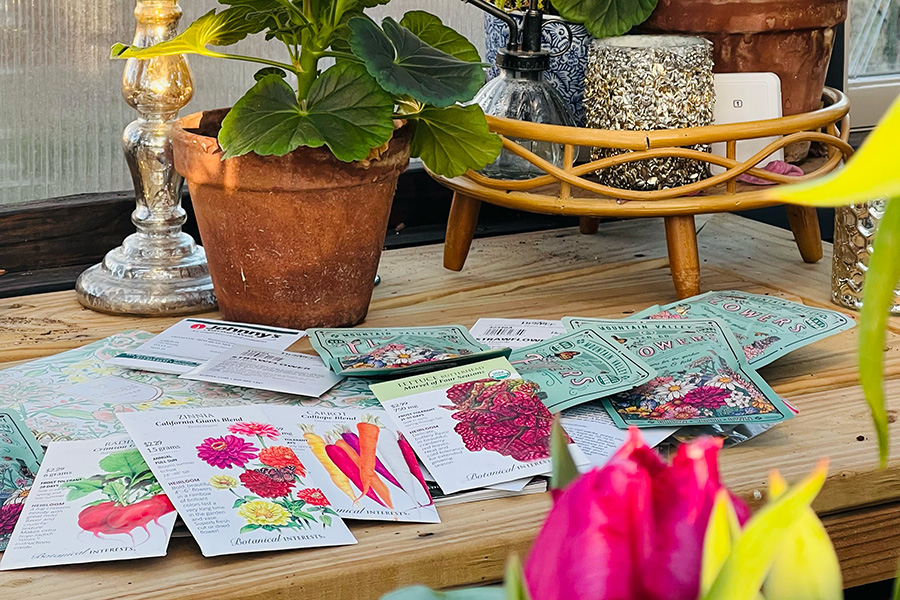
Your organic journey starts with your seeds. Not all seeds are grown the same — some are treated with fungicides or coated in synthetic materials that aren’t allowed in organic gardening.
Look for seeds labeled:
- USDA Organic
- Untreated or non-GMO
- Certified organic from reputable sources like High Mowing, Johnny’s Selected Seeds, or Baker Creek
Pro Tip: If you’re buying transplants, double-check that they weren’t started with chemical fertilizers or sprays. When in doubt, grow your own from seed so you can control the process from the beginning.

Step 2: Choose the Right Soil
Healthy soil is the foundation of any organic greenhouse. Since you’re likely growing in raised beds, containers, or trays, the soil you choose is everything.
Use:
- Organic potting mix or seed-starting mix
- Compost-rich blends
- Worm castings for added nutrients
- Coconut coir or peat moss for moisture control
- Perlite or vermiculite for drainage
Avoid any soil with synthetic fertilizers or added “moisture crystals” — those usually contain polymers that don’t qualify as organic.
Step 3: Feed Your Plants Naturally
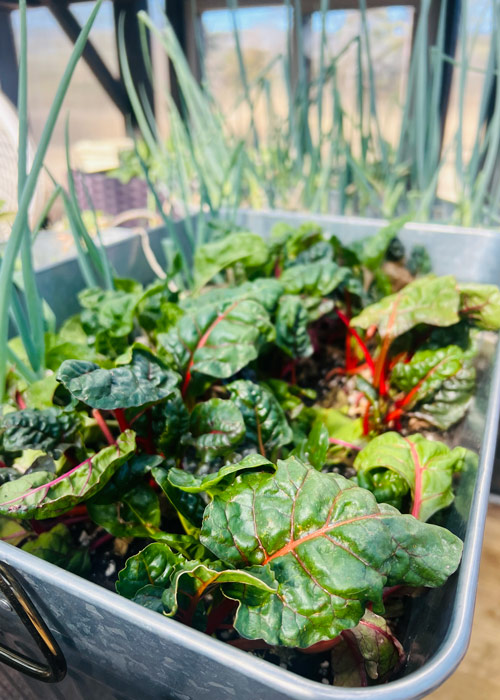
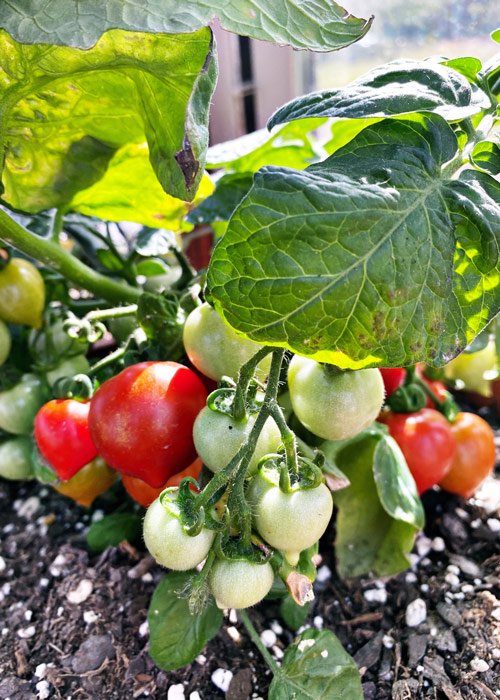
Without synthetic fertilizers, your plants will rely on natural nutrition. Luckily, there are plenty of organic options that feed gently and improve soil health over time.
Organic fertilizers to consider:
- Fish emulsion (great for leafy greens)
- Kelp or seaweed extract (boosts plant resilience)
- Compost tea (homemade or store-bought)
- Alfalfa meal, bone meal, or blood meal (read labels for animal-derived sources)
- Worm castings (a gentle, steady source of nutrients)
Step 4: Handle Pests the Organic Way
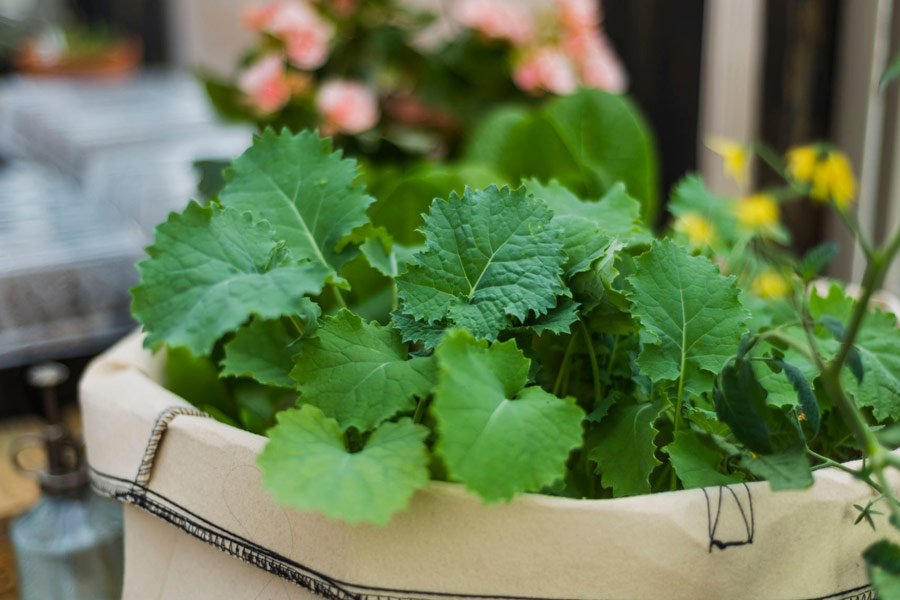
Yes, even in your cozy greenhouse, bugs may find their way in.
Common organic pest strategies:
- Neem oil: A natural, non-toxic spray that deters most pests
- Insecticidal soap: Great for aphids, whiteflies, and spider mites
- Sticky traps: For flying pests like fungus gnats or whiteflies
- Beneficial insects: Ladybugs, lacewings, and parasitic wasps can be introduced
- Diatomaceous earth: A natural powder that dehydrates soft-bodied insects (use dry, away from watering zones)
The key is consistency — inspect plants regularly, especially the undersides of leaves, and act early when something seems off.

Step 5: Manage Disease Naturally
Fungal diseases, mildew, and rot can sneak into even the cleanest greenhouse. But prevention is half the battle. I never deal with mold and I think it is solely due to my ventilation practices and the distance I keep my plants that allows air flow.
Tips for organic disease control:
- Good airflow: Use vents or fans to prevent stagnant air
- Water early in the day: So plants dry before nightfall
- Bottom-water seedlings: Reduces excess moisture on leaves
- Remove infected leaves immediately: Don’t compost diseased material
- Use natural sprays: Like copper soap (OMRI-listed) or a baking soda-water mixture for early mildew control
And when in doubt, rotate crops seasonally — it keeps soil healthier and reduces the chance of disease building up in one area.
Step 6: Attract Pollinators (Yes, Even Indoors)
In a closed environment, hand-pollination or encouraging pollinators can make a big difference, especially for fruiting plants like tomatoes, cucumbers, or peppers.
Ways to help:
- Prop open doors on warm days to invite pollinators
- Grow flowering herbs like basil, dill, or nasturtiums nearby
- Use a soft brush or cotton swab to hand-pollinate blossoms
- Add a fan to simulate wind and promote pollen transfer
Pollination is often forgotten in greenhouses — but it’s essential if you want real harvests from your organic hard work. I personally do not take extra steps for pollination and never have any issues.
Step 7: Compost What You Can
Part of being an organic gardener is reducing waste and feeding the soil — and composting is the perfect way to do both.
If you have the space, keep a compost pile or bin nearby to toss plant scraps, weeds, and kitchen waste.
Organic greenhouse gardening isn’t about being perfect. It’s about being intentional. It’s a way of gardening that respects the soil, the plants, and the people who eat from it — including you.
Start where you are. Learn as you go. And don’t be afraid to mess up — because every season brings new growth, in your garden and in you.
If you're experimenting with organic greenhouse growing, I’d love to hear about it — what’s working, what’s not, and what you're learning along the way. Drop a comment or share your garden with us on Instagram @yoderbilt or Facebook @yoderbilt