10 Greenhouse Gardening Mistakes Beginners Make (and How to Avoid Them)
There’s something magical about stepping into a greenhouse. The warmth, the scent of soil and green things growing — it’s a world all its own. But even the most beautiful space can become frustrating fast if things start going wrong. And let’s be honest, they will, especially in the beginning.
The good news? Most greenhouse gardening mistakes are completely fixable — and avoidable once you know what to look out for. Whether you’re just getting started or need a little troubleshooting help, here are 10 of the most common beginner greenhouse mistakes (plus how to avoid them so your plants — and your peace of mind — can thrive).
1. Poor Ventilation = Sick Plants
Your greenhouse may feel cozy, but plants thrive with fresh airflow. Good ventilation helps keep humidity balanced, discourages mold and mildew, and makes it harder for pests to settle in.
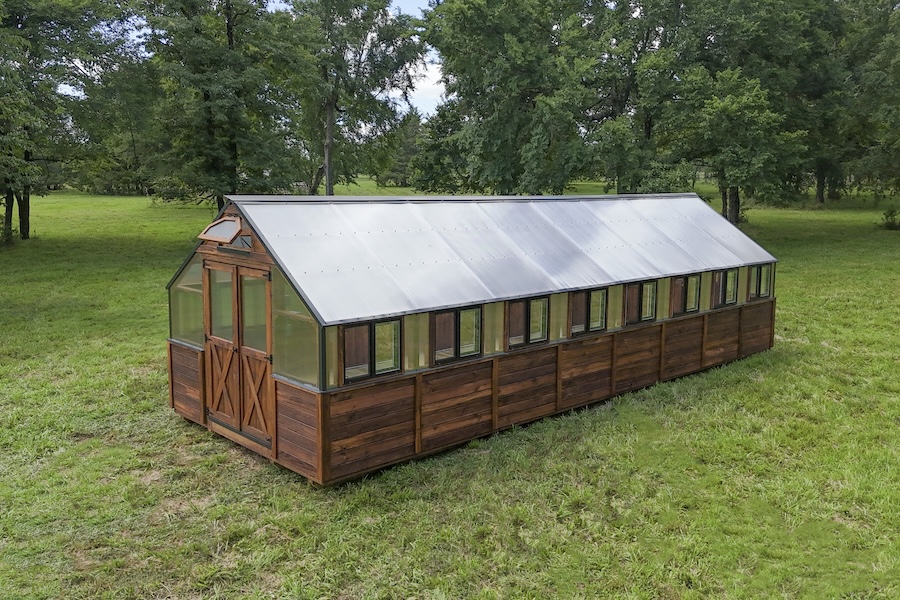
How to Avoid It: Make sure your greenhouse has windows and or doors, or fans, auto vents, exhaust fans (or ideally a combo). Open doors or vents during the day, especially when temps climb.
2. Too Much Heat, Not Enough Shade
Greenhouses are heat magnets, which is great — until it isn’t. Too much heat can cause plants to wilt, drop leaves, or even die.
How to Avoid It: Use shade cloth during those peak summer months, it makes such a difference! I keep a digital thermometer with humidity inside (a lifesaver!) and while the general advice is to aim below 90°F for most vegetables and flowers, mine definitely gets hotter than that. If you’re growing seasonally and choosing plants that love the heat, it still works beautifully. I use a 70% Aluminet shade cloth and absolutely love it!
3. Not Giving Plants Enough Light
Greenhouses let in light — but that doesn’t always mean it’s enough. Short winter days, cloudy stretches, or crowded setups can leave plants leggy, pale, and struggling to thrive.
How to Avoid It: Watch how sunlight moves through your greenhouse at different times of year. Rotate plants regularly so they all get their moment in the sun. In winter or if your greenhouse is shaded, consider adding grow lights — especially for seedlings and fruiting plants that need 12–16 hours of light. My greenhouse sits in an open area and I never utilize additional light sources.
4. Not Knowing What to Plant — and When
Not everything thrives in a greenhouse year-round. Some plants need cool nights to bloom, others crave the steady warmth a greenhouse offers.
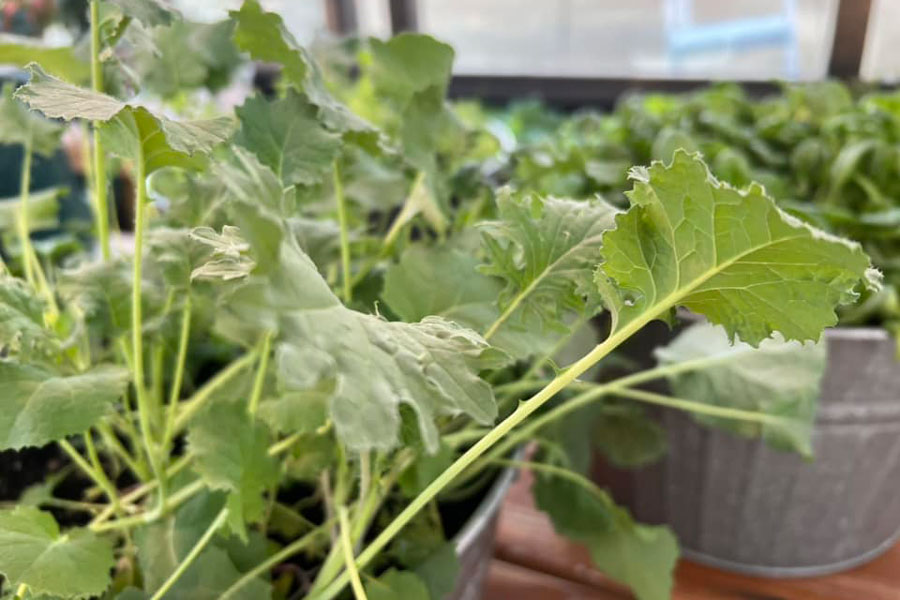
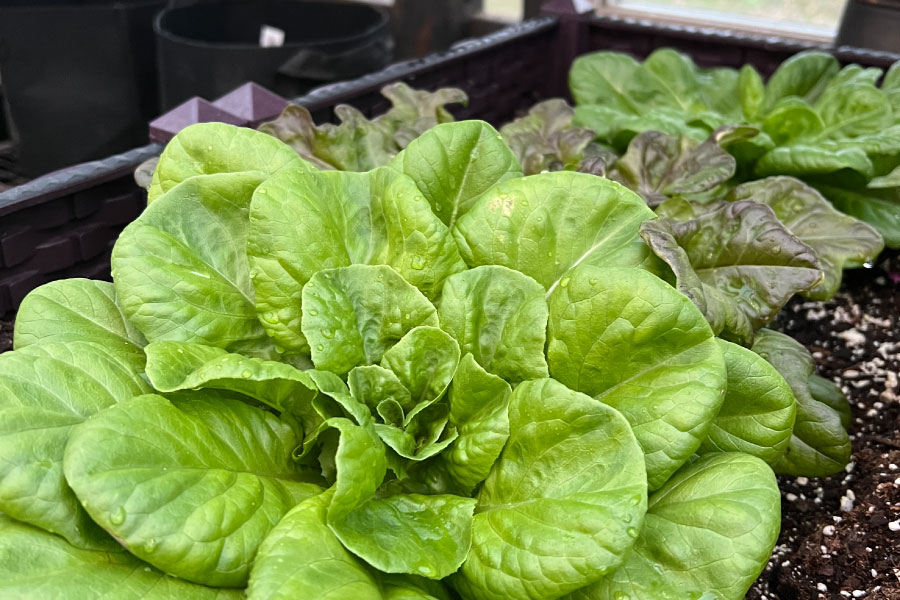
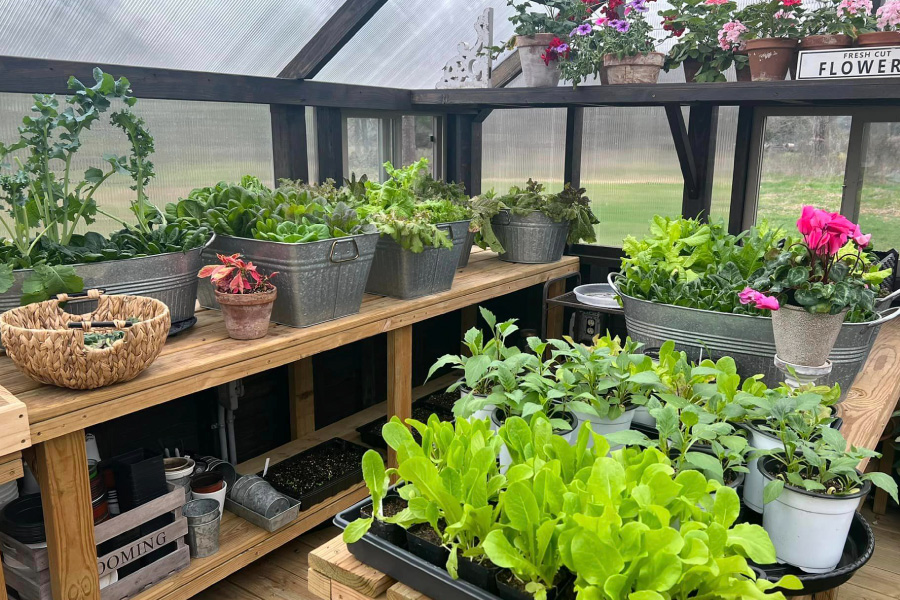
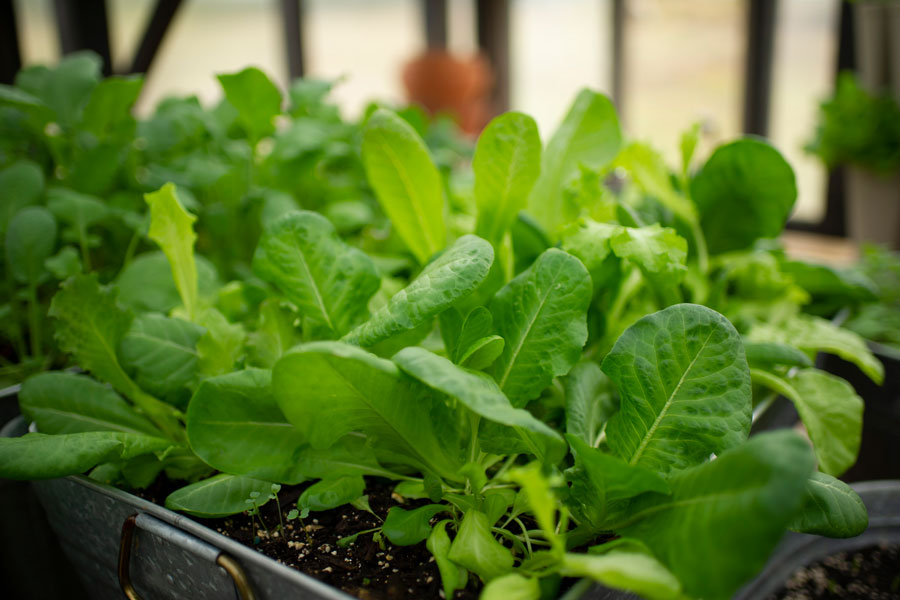
How to Avoid It: Make a seasonal planting calendar for your zone. Think cool crops (lettuce, kale, peas) in early spring, heat lovers (tomatoes, peppers, zinnias) in summer, and herbs or greens in fall and winter.
5. Skipping the Soil Prep
Throwing potting mix into a tray and planting isn’t quite enough. Greenhouse soil needs to drain well, retain moisture, and have nutrients to support rapid growth.
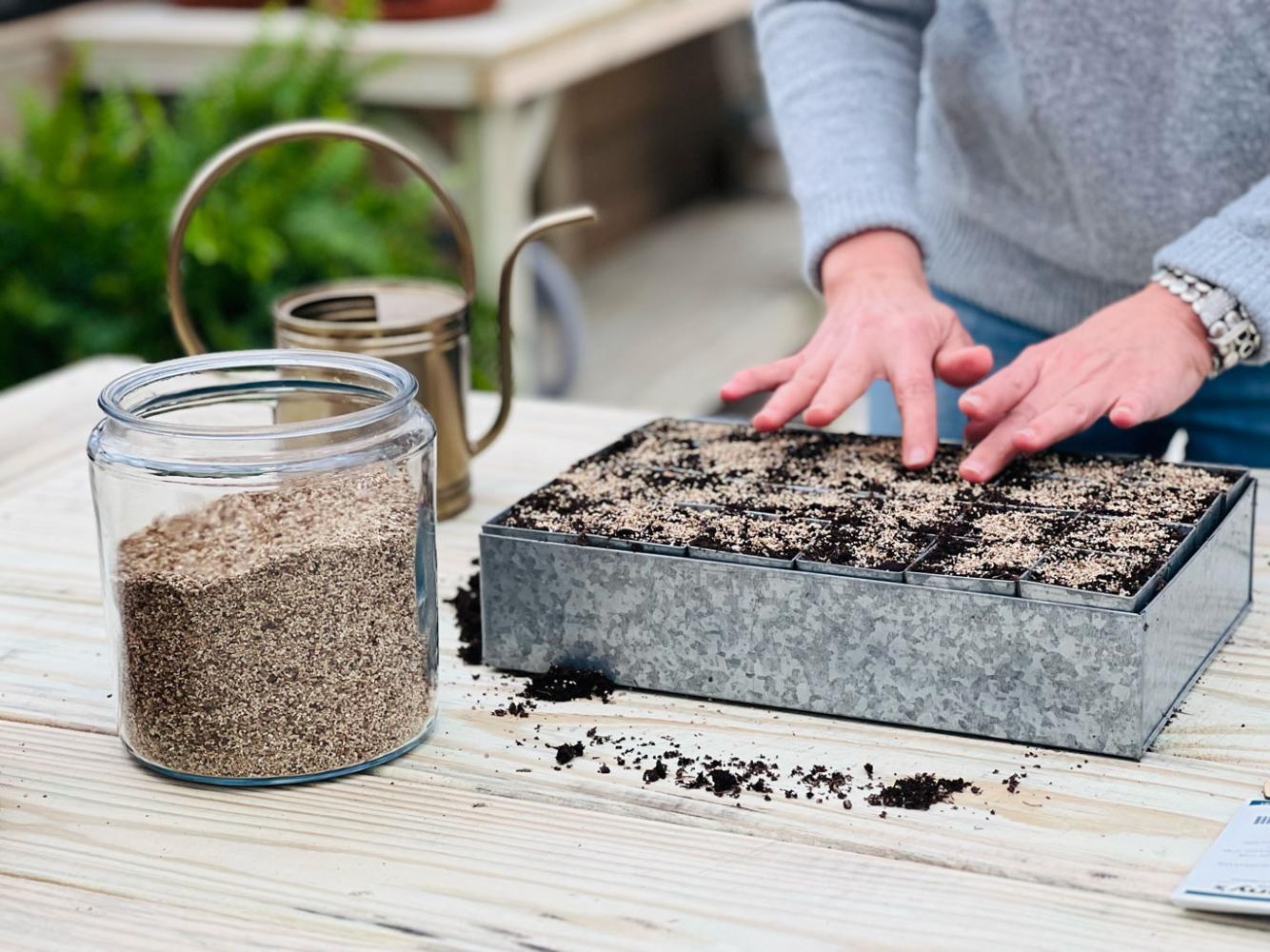
How to Avoid It: Use high-quality soil blends or compost-rich mixes, especially if you’re using raised beds or containers. Replenish with compost or organic fertilizers regularly. I use a seed starting mix to start all of my seeds, you can purchase it already mixed up or to save money, make your own.
6. Overwatering — It Happens to the Best of Us
We all want to be good plant parents, but in the greenhouse, water doesn’t always evaporate as quickly. That means roots can rot fast if you're watering on autopilot.
How to Avoid It: Check soil moisture before you water. Use trays for bottom watering seedlings. And if something’s droopy, don’t assume it’s thirsty — it might be drowning.
7. Forgetting to Label Plants
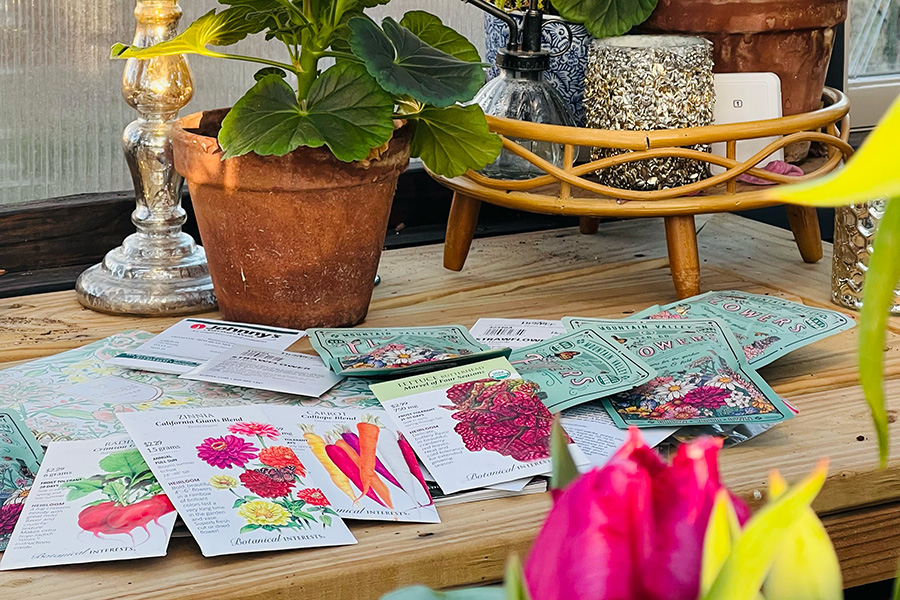
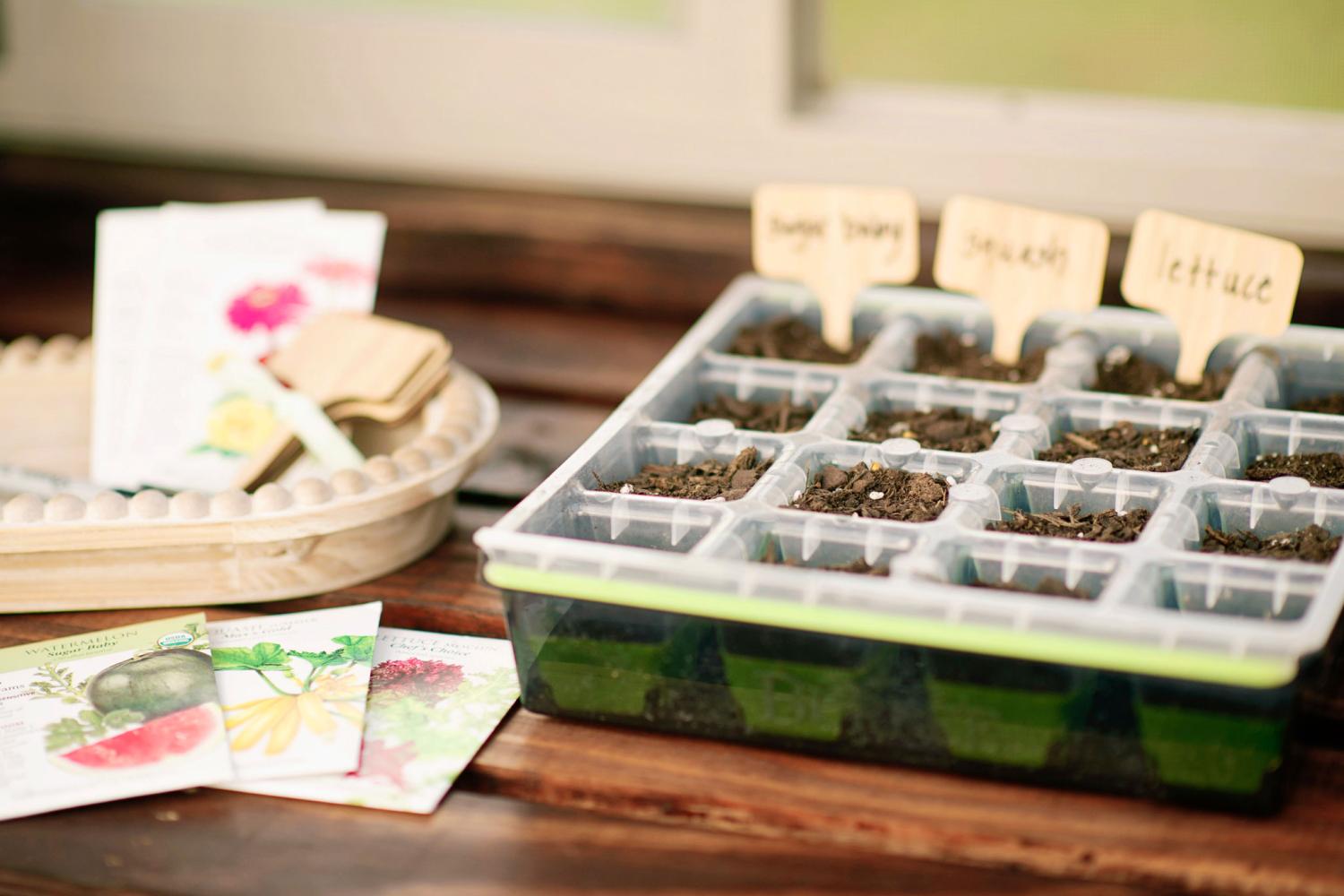
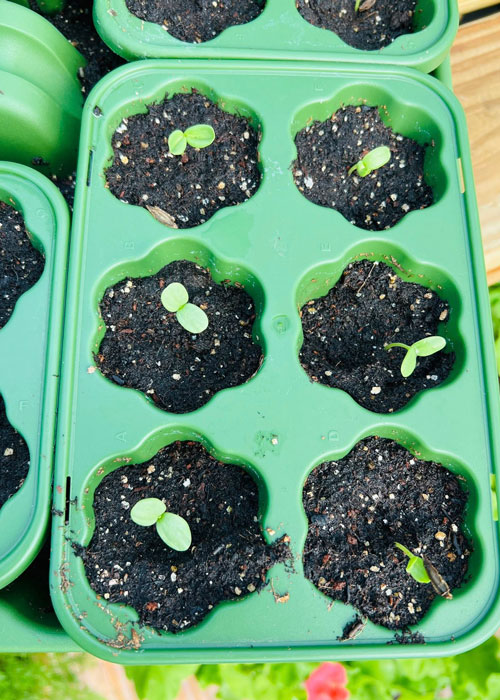
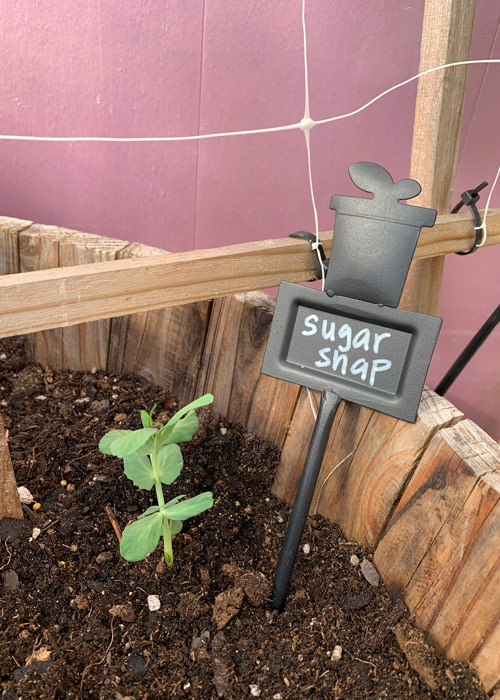
It’s all fun and games until your seed trays are full and every sprout looks identical. Was that cherry tomato or beefsteak? Zinnias or cosmos? Without labels, you’re left guessing — and possibly planting things in the wrong place later on. Trust me! I’m experienced with this mistake!
How to Avoid It: Always label your seeds and transplants — even if you think you’ll remember. Use waterproof markers or garden labels that won’t fade or wash off. Bonus tip: include the variety and date you planted for easy tracking.
8. Not Having a Backup Plan for Power
If you’re using heat mats, lights, or heaters, a power outage during a cold snap can be devastating.
How to Avoid It: Keep frost cloth or insulated covers on hand. If your area is prone to outages, consider a small generator and always have backup propane on hand as well. I just like to be prepared but didn’t have to use my backup sources once this past winter.
9. Crowding Plants Too Close
It’s tempting to use every inch of space, but overcrowding leads to poor airflow, disease spread, and weak growth.
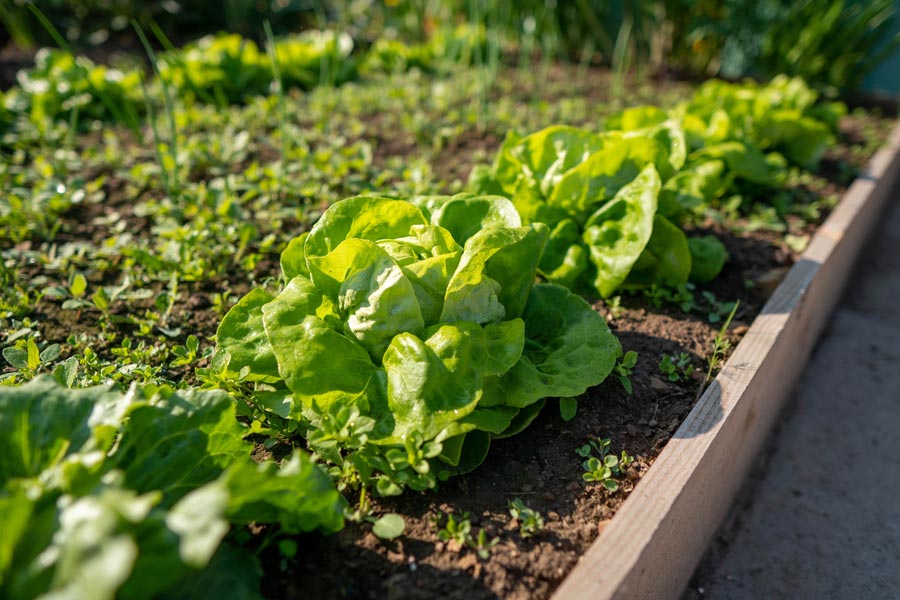
How to Avoid It: Follow spacing guidelines for each plant. It may feel sparse at first, but your plants will thank you when they’re lush and healthy with room to grow.
10. Trying to Do Everything at Once
This is a big one. A greenhouse opens up so many possibilities — and it’s easy to burn out trying to grow everything your heart desires in year one.
How to Avoid It: Start small and learn as you go. Focus on a few crops that you and your family love. Pay attention to what works — and what doesn’t. Gardening is a journey, not a sprint.